The demand for safe and reliable drinking water solutions is a global imperative. The glass drinking bottle emerges as a crucial element in addressing this need, offering a sustainable and hygienic alternative to plastic and other less durable materials. From everyday use to emergency relief efforts, the versatility of a glass drinking bottle is increasingly recognized worldwide. Understanding its properties and applications is key to fostering a healthier and more sustainable future.
Globally, concerns about plastic pollution and its impact on human health and the environment are driving a shift towards more sustainable materials. The glass drinking bottle provides a reusable, recyclable, and non-toxic option, aligning with growing consumer awareness and environmental regulations. The World Health Organization emphasizes the importance of safe water storage, a need easily met with a well-designed glass bottle.
Beyond individual consumption, the widespread adoption of glass drinking bottles plays a role in public health initiatives and disaster preparedness. The durability and inertness of glass make it ideal for storing and transporting water in challenging environments, contributing to improved sanitation and reduced health risks in vulnerable populations. Investing in and promoting the use of glass drinking bottles represents a tangible step towards a more resilient and sustainable world.
The Significance of Glass Drinking Bottles
The increasing focus on sustainability and personal health has propelled the glass drinking bottle to the forefront of consumer choices. Unlike plastic bottles which can leach chemicals and contribute to environmental pollution, glass offers a neutral and reusable alternative. This shift in preference reflects a growing awareness of the long-term benefits of choosing materials that are both safe for individuals and kind to the planet.
The significance extends beyond environmental concerns. The clarity of glass allows for easy monitoring of liquid contents, while its non-porous surface prevents the build-up of bacteria and odors. These hygienic qualities make glass drinking bottles particularly valuable in contexts where water quality is a concern, such as during travel or in areas with unreliable water infrastructure.
Defining the Glass Drinking Bottle
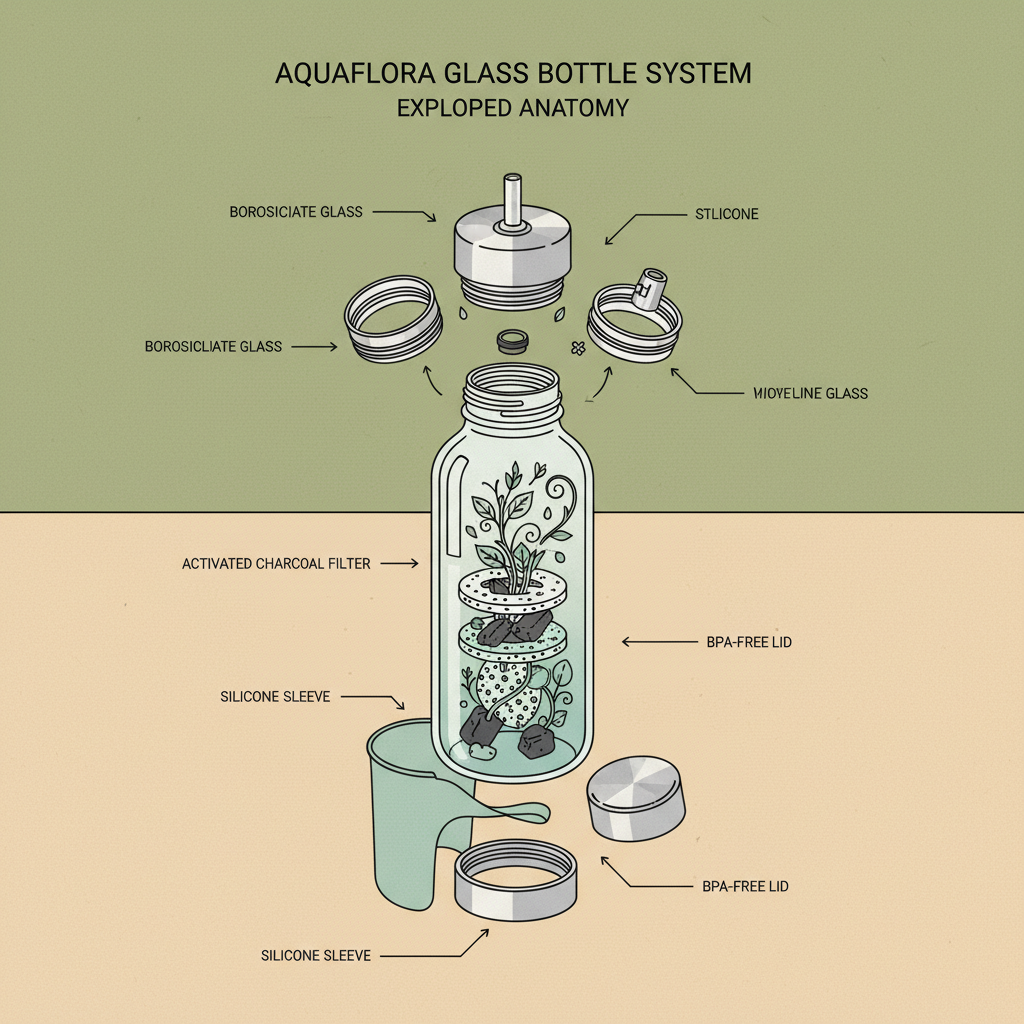
A glass drinking bottle is a container primarily designed for holding and consuming liquids, crafted from glass as its primary material. This can encompass a range of glass types – soda-lime glass, borosilicate glass, and tempered glass being the most common – each offering varying degrees of durability, thermal shock resistance, and chemical inertness. The core purpose is to provide a safe, reusable, and hygienic vessel for beverages.
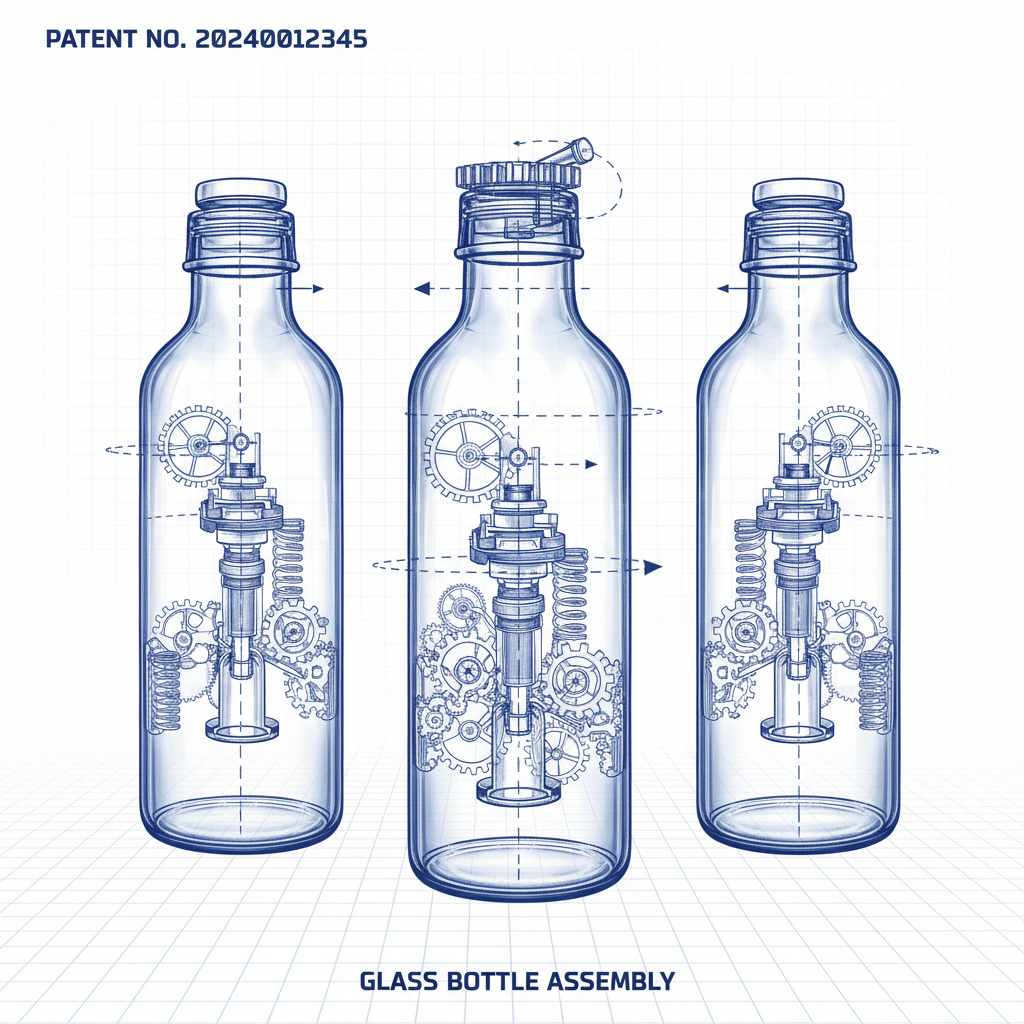
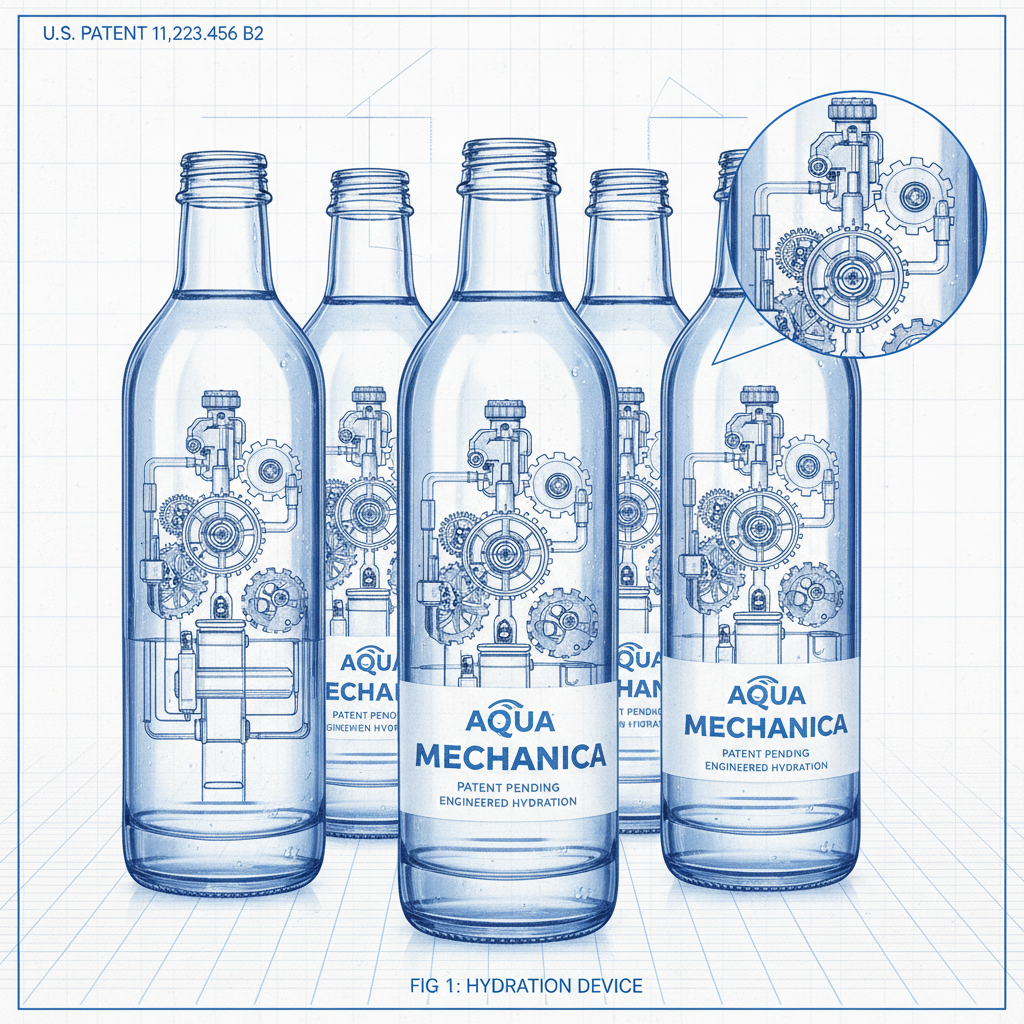
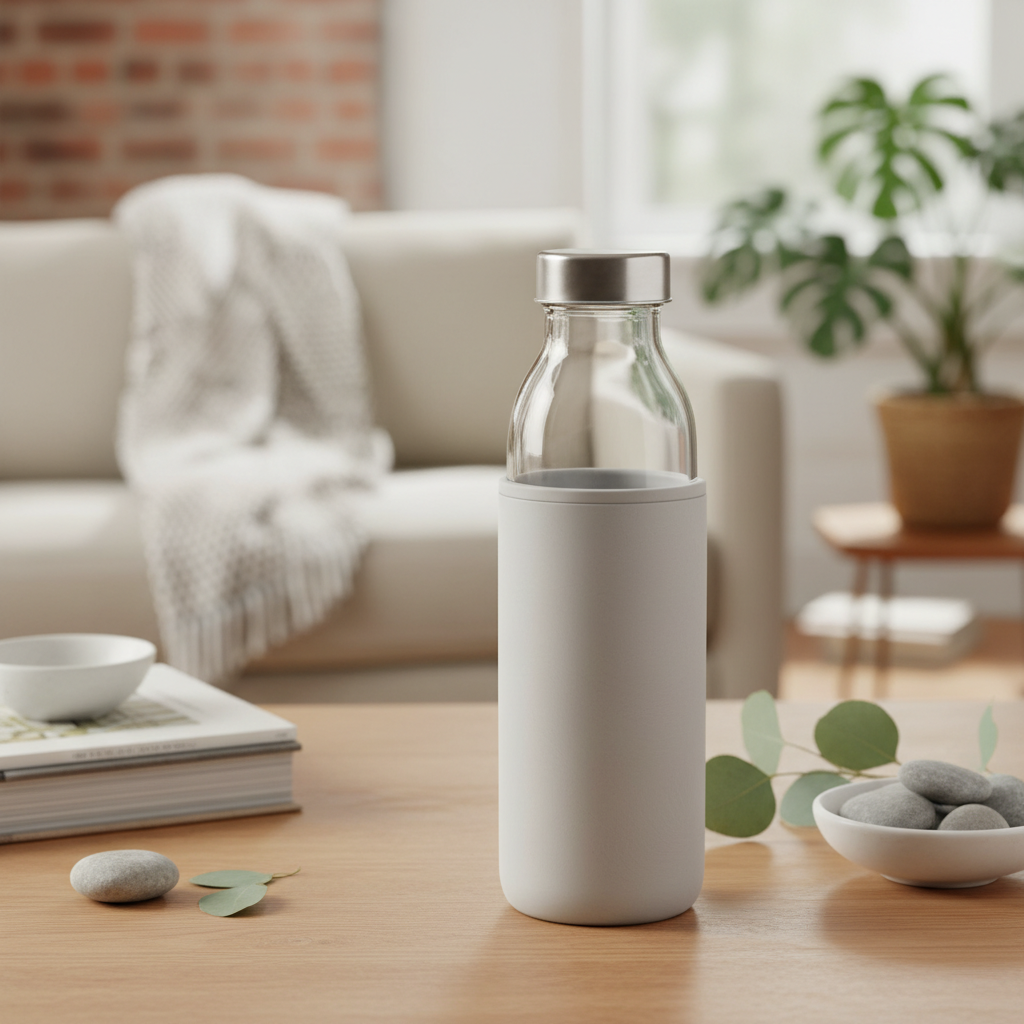
In modern industry, the glass drinking bottle is evolving beyond a simple container. Advanced manufacturing techniques allow for intricate designs, ergonomic shapes, and specialized features like insulated sleeves or protective silicone coatings. This evolution caters to diverse consumer needs, from portability and temperature retention to aesthetic appeal and brand identity.
From a humanitarian perspective, the simple glass drinking bottle represents access to safe drinking water. Providing these bottles in disaster relief or developing regions improves sanitation and reduces the risk of waterborne illnesses, promoting public health and overall well-being.
Core Components of Quality Glass Bottles
Several factors define the quality of a glass drinking bottle. The first is the glass composition itself. Borosilicate glass, for example, is known for its superior thermal shock resistance, making it ideal for both hot and cold beverages. The thickness of the glass is also critical, determining its durability and resistance to breakage.
The closure mechanism—the lid or cap—is another vital component. A leak-proof and secure closure prevents spills and maintains the beverage's freshness. Materials used for the closure, such as stainless steel, polypropylene, or silicone, should be non-toxic and durable. The design should also be user-friendly, allowing for easy opening and closing.
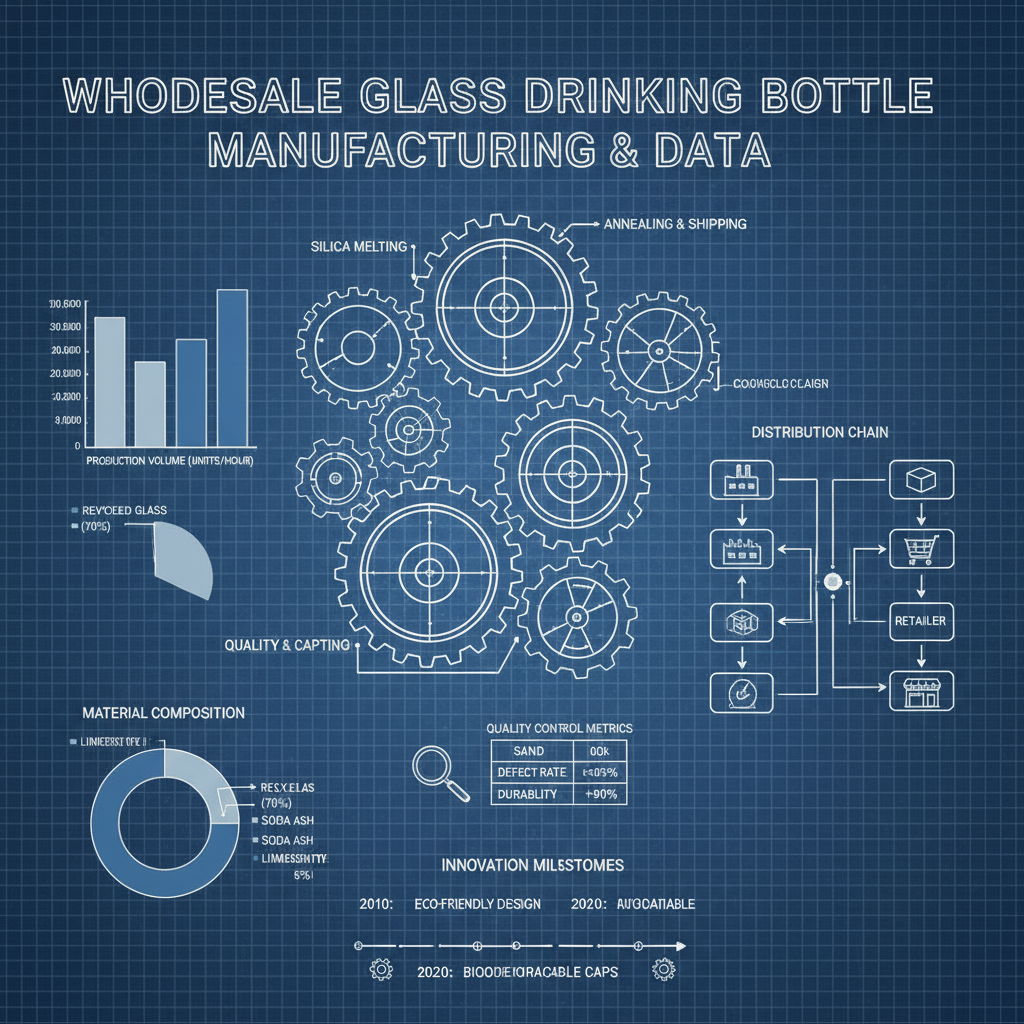
Finally, the overall design and manufacturing process impact quality. Seamless construction minimizes weak points, and precise finishing prevents sharp edges. Quality control measures throughout production ensure that each bottle meets established standards for safety and performance.
Key Factors Influencing Glass Bottle Performance
The performance of a glass drinking bottle is heavily influenced by several key factors. Durability is paramount, determined by the glass type, thickness, and manufacturing process. A robust bottle can withstand everyday wear and tear, reducing the likelihood of breakage and ensuring a long lifespan.
Thermal shock resistance is crucial, especially for bottles intended for both hot and cold beverages. Borosilicate glass excels in this area, minimizing the risk of cracking when exposed to rapid temperature changes. Chemical inertness is also essential; glass should not leach chemicals into the liquid it contains, ensuring the purity and safety of the beverage.
Glass Bottle Performance Metrics
Global Applications of Glass Drinking Bottles
The applications of glass drinking bottles are diverse and widespread. In developed nations, they are popular choices for everyday use – at home, in the office, and during outdoor activities – driven by health and environmental concerns. They are also frequently used in the food and beverage industry for packaging premium products like juices and artisanal beverages.
In post-disaster relief operations, glass drinking bottles provide a safe and reliable way to store and transport clean drinking water, minimizing the risk of contamination and disease. Similarly, in remote industrial zones where access to safe water sources is limited, glass bottles offer a hygienic solution for providing workers with potable water.
Advantages and Long-Term Value
The advantages of choosing a glass drinking bottle are numerous. Cost-effectiveness, over the long term, is a significant benefit, as a durable glass bottle can replace countless disposable plastic bottles. Sustainability is another key advantage, reducing plastic waste and minimizing environmental impact.
From a social impact perspective, promoting the use of glass bottles contributes to improved public health and hygiene. The inherent safety and reliability of glass, combined with its non-toxic nature, instill trust and provide peace of mind. These factors collectively enhance the long-term value proposition of glass drinking bottles.
Future Trends and Innovations in Glass Bottle Technology
The future of glass drinking bottle technology is focused on enhancing sustainability and functionality. Innovations in lightweight glass formulations are reducing transportation costs and minimizing the bottle's carbon footprint. Advanced coatings are improving scratch resistance and grip.
Digital integration, such as incorporating QR codes for tracking authenticity and providing product information, is also gaining traction. Furthermore, research into bio-based glass alternatives, using renewable resources, holds promise for creating even more environmentally friendly glass bottles.
These innovations align with global trends toward circular economy principles and sustainable consumption patterns, positioning glass drinking bottles as a key component of a greener future.
FAQS
Glass is non-porous and doesn’t leach chemicals into your beverage, unlike some plastics. This ensures a pure, untainted taste and avoids potential exposure to harmful substances like BPA, phthalates, or microplastics. Choosing a glass drinking bottle promotes a healthier lifestyle by eliminating these risks.
While glass can break, modern glass drinking bottles are often made with tempered or borosilicate glass, which significantly increases their durability. Protective sleeves or silicone coatings can further enhance impact resistance. While not indestructible, a well-made glass bottle can withstand everyday use for years.
Most glass drinking bottle are dishwasher safe, but hand washing is also effective. Use warm, soapy water and a bottle brush to reach all areas. For stubborn stains or odors, a mixture of baking soda and water can be used. Thorough rinsing is crucial to remove all traces of soap.
While glass production requires energy, glass is 100% recyclable and can be recycled endlessly without loss of quality. Choosing a glass bottle over plastic reduces reliance on fossil fuels and minimizes landfill waste. Moreover, recycled glass reduces the energy needed for new glass production.
Yes, borosilicate glass offers superior thermal shock resistance compared to soda-lime glass. This means it's less likely to crack or shatter when exposed to sudden temperature changes, making it ideal for both hot and cold beverages. Glass drinking bottle made of borosilicate glass are generally more durable and long-lasting.
Consider investing in a protective sleeve or carrying case designed specifically for glass bottles. Wrap the bottle in clothing or a towel within your luggage to provide extra cushioning. Avoid placing the bottle in areas where it's likely to be impacted or crushed during transit.
Conclusion
In conclusion, the glass drinking bottle represents a sustainable, healthy, and reliable solution for beverage consumption. Its inherent properties—durability, chemical inertness, and recyclability—make it a superior alternative to plastic, offering long-term benefits for both individuals and the environment. From everyday use to humanitarian aid, its versatility and positive impact are undeniable.
Looking ahead, continued innovation in glass technology, coupled with growing consumer awareness and supportive policies, will further solidify the position of glass drinking bottles as a cornerstone of a more sustainable future. We encourage you to explore the benefits of switching to glass and join the movement towards a healthier planet. Visit our website at www.yintoglassware.com to learn more and browse our collection.
 TEL: +86 18903393212
 Email: tina@yintoglassware.com