 TEL: +86 18903393212
 Email: tina@yintoglassware.com

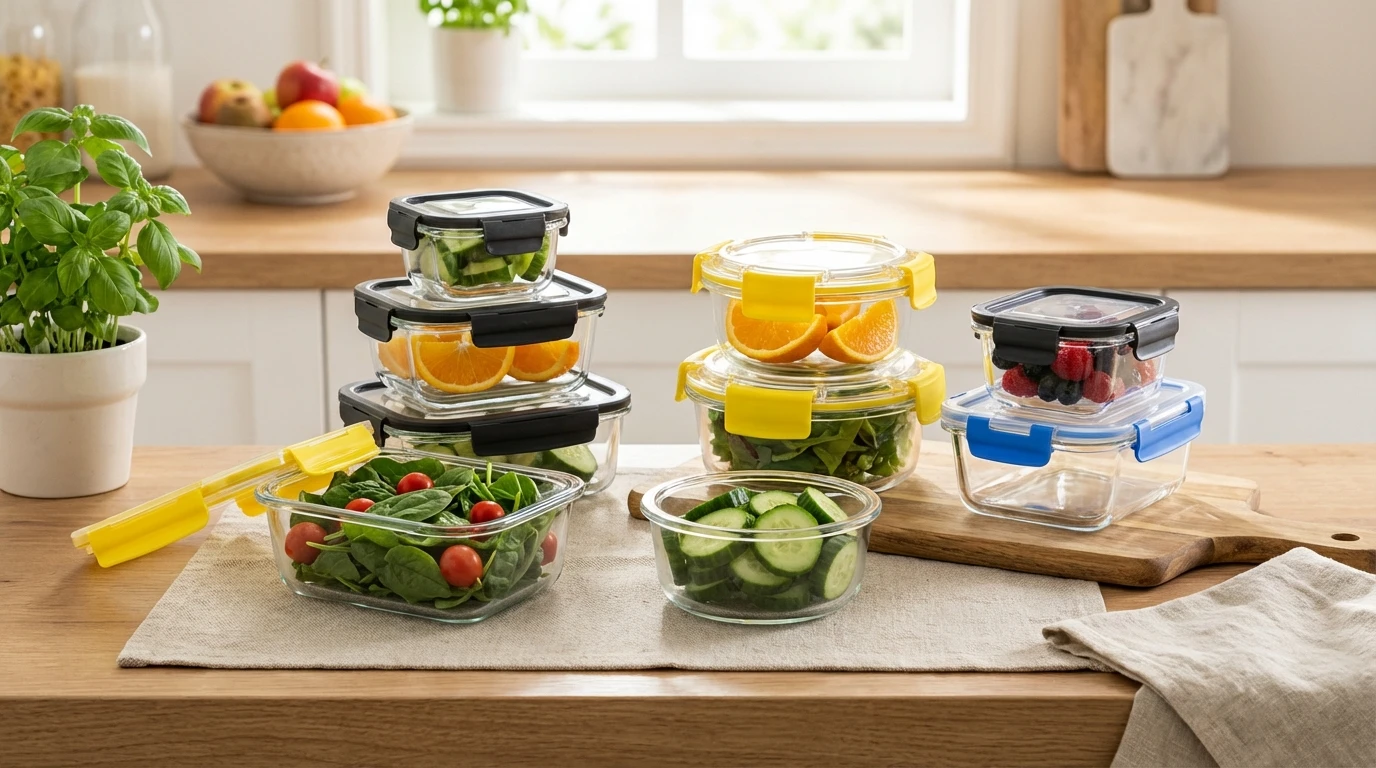
Maximize Food Freshness with Premium Glass Vacuum Seal Containers
Understanding Glass Vacuum Seal Containers: A Comprehensive Guide
In today's fast-paced world, preserving freshness and minimizing waste are paramount. Glass vacuum seal containers are emerging as a superior solution for food storage, offering a wide range of benefits over traditional methods. This article will explore the advantages of these innovative containers, their applications in both home and commercial settings, and what to look for when choosing the right ones. We'll delve into why these containers are a sustainable and effective choice for keeping your food fresher for longer.
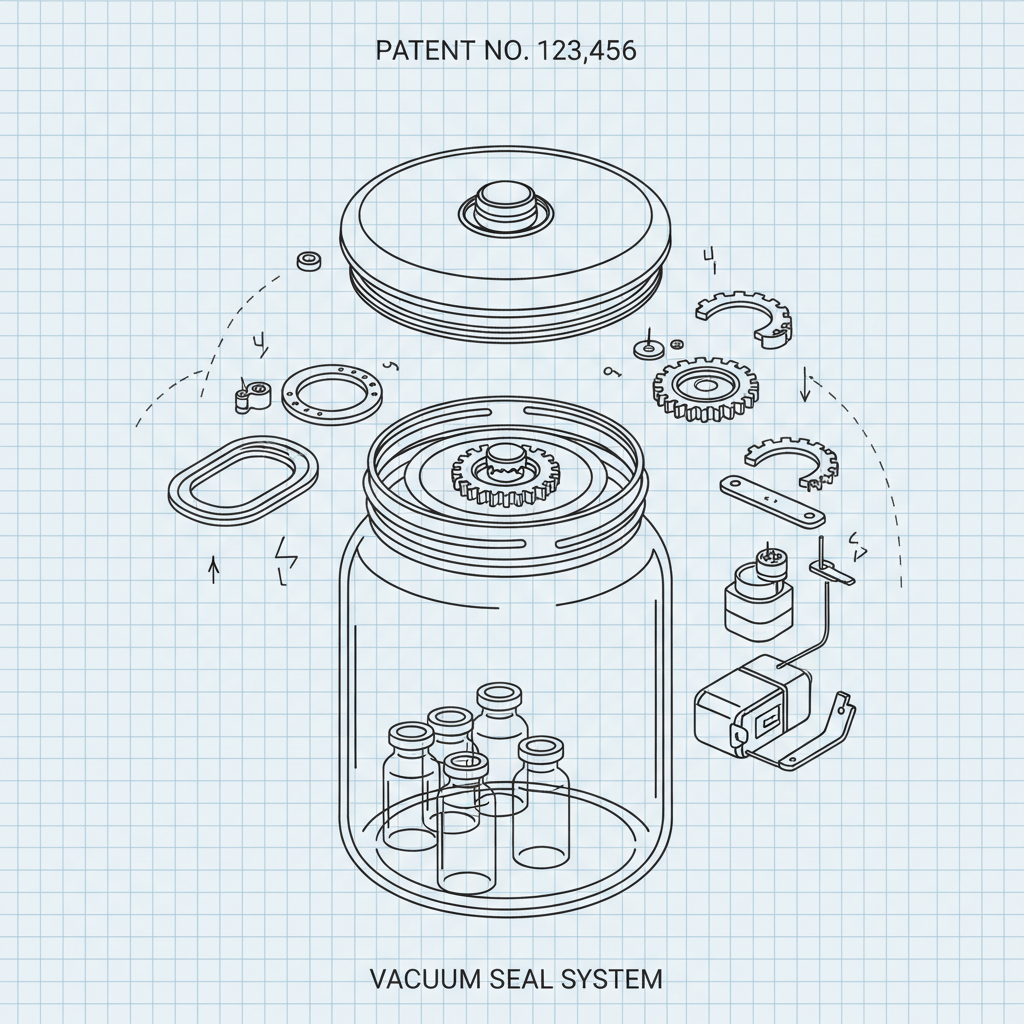
Why Choose Glass Vacuum Seal Containers?
Unlike traditional plastic containers, glass doesn’t leach chemicals into your food, ensuring purity and taste. Vacuum sealing further enhances this benefit by removing air, which slows down oxidation and the growth of bacteria, thereby extending the shelf life of your food. This translates to less food waste and significant cost savings over time. Furthermore, glass is inherently more durable and resistant to staining and odors compared to plastic. Choosing glass vacuum seal containers is an investment in both your health and the environment. They are also easy to clean and dishwasher safe.
Key Benefits: Extended food freshness, reduced food waste, chemical-free storage, durability, and easy cleaning.
The Science Behind Vacuum Sealing and Freshness
Vacuum sealing removes up to 80% of the air from the container, creating an oxygen-poor environment that inhibits the growth of spoilage microorganisms. This process significantly slows down enzymatic reactions that cause food to degrade, resulting in prolonged freshness. Studies have shown that vacuum-sealed foods can last up to 5 times longer than those stored in conventional containers. The combination of inert glass and vacuum sealing provides the ultimate barrier against deterioration, preserving flavor, texture, and nutritional value.
Vacuum Sealing Benefits:
• Slows down oxidation
• Inhibits microbial growth
• Preserves flavor and texture
• Extends shelf life
Glass Vacuum Seal Containers vs. Plastic & Other Methods
Comparing glass vacuum seal containers to plastic alternatives reveals significant advantages. Plastic can leach harmful chemicals like BPA, while glass is inert and safe. Traditional methods like cling film offer minimal protection against air and moisture. Vacuum sealing with glass provides a superior level of preservation. Below is a comparison chart illustrating these differences:
Applications: Home & Commercial Use
The versatility of glass vacuum seal containers extends to both home and commercial applications. In the home, they are ideal for storing leftovers, meal prepping, preserving fruits and vegetables, and keeping pantry staples fresh. Restaurants and catering businesses benefit from their ability to maintain food quality and reduce waste. Food producers can utilize these containers for packaging and shipping, ensuring product integrity. Yinto Glassware offers a range of sizes and configurations to suit diverse needs.
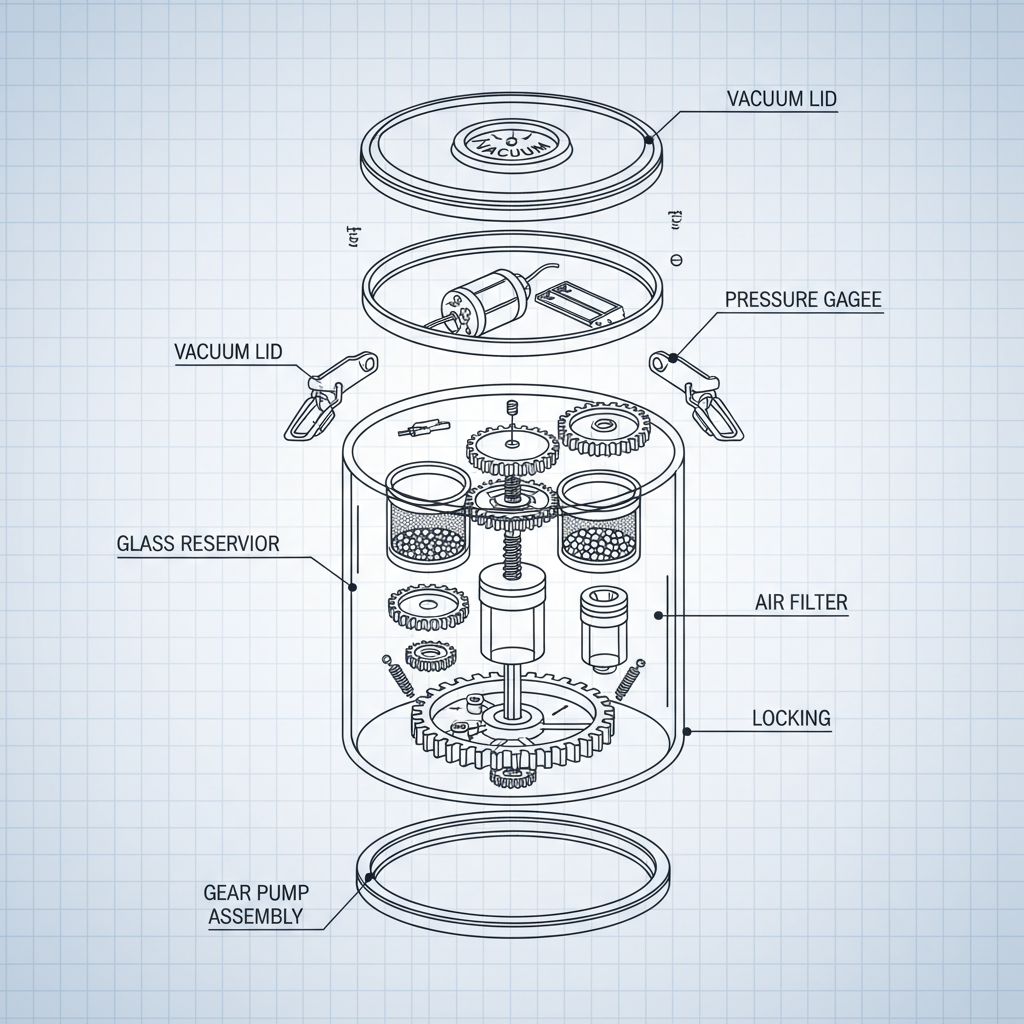
Choosing the Right Glass Vacuum Seal Containers: Key Considerations
When selecting glass vacuum seal containers, consider the following factors: the type of lid (silicone or plastic), the container’s size and shape, and whether it’s dishwasher and microwave safe. Look for containers made from borosilicate glass, which is more resistant to thermal shock. Ensure the vacuum pump is compatible with the containers. Yinto Glassware provides detailed product specifications and guidance to help you choose the best containers for your needs.
Conclusion: Embrace Freshness with Glass Vacuum Seal Containers
Investing in glass vacuum seal containers is a smart choice for anyone seeking to enhance food preservation, reduce waste, and promote a healthier lifestyle. With their superior functionality, durability, and safety, they offer a compelling alternative to traditional storage methods. Explore the range of options available at Yinto Glassware and experience the difference!
Frequently Asked Questions (FAQs)
Are glass vacuum seal containers safe for all types of food?
Yes, glass vacuum seal containers are generally safe for all types of food. Glass is an inert material, meaning it doesn't react with food or leach harmful chemicals. This makes them an excellent choice for storing acidic foods like tomatoes or citrus fruits, as well as sensitive foods like herbs and spices. The vacuum sealing further protects food quality and flavor. However, always check the manufacturer’s instructions regarding temperature limitations if using in a microwave or freezer.
How do I properly clean glass vacuum seal containers?
Most glass vacuum seal containers are dishwasher safe. However, it's recommended to check the manufacturer’s instructions. For handwashing, use warm, soapy water and a non-abrasive sponge. Avoid harsh cleaning agents that could damage the glass or the sealing components. Pay close attention to the lids and seals, ensuring they are thoroughly cleaned to maintain an airtight seal. Allow the containers to dry completely before storing.
Can I use glass vacuum seal containers in the freezer?
Yes, many glass vacuum seal containers are freezer safe. However, it's crucial to check the product specifications, as not all glass is designed to withstand extremely low temperatures. When freezing liquids, leave some headspace in the container to allow for expansion. Avoid sudden temperature changes, such as taking a frozen container directly from the freezer to a hot oven, as this could cause the glass to shatter.
-
Ultimate Guide to Choosing Big Glass Storage Containers for Every NeedNewsApr.16,2026
-
Small Glass Lunch Containers Guide for Healthy Meal PrepNewsApr.09,2026
-
Comprehensive Guide to Choosing the Best Storage Containers for Dishes and GlassesNewsApr.07,2026
-
Selecting The Optimal 300ml Food Containers For Your Business NeedsNewsApr.04,2026
-
Discover the Benefits of Durable 3 Cup Glass Food Storage ContainersNewsMar.31,2026
-
Comprehensive Guide to Choosing Superior Glass Divided Food ContainersNewsMar.28,2026
![[Extra Large with Handle] Oven Safe Glass Food Storage Container with Airtight Locking Lid & Handle, Oven Safe Dishwasher Safe](https://images.exportstart.com/images/a1251/extra-larger-glass-container-with-snap-locking-lid-164.webp "[Extra Large with Handle] Oven Safe Glass Food Storage Container with Airtight Locking Lid & Handle, Oven Safe Dishwasher Safe")
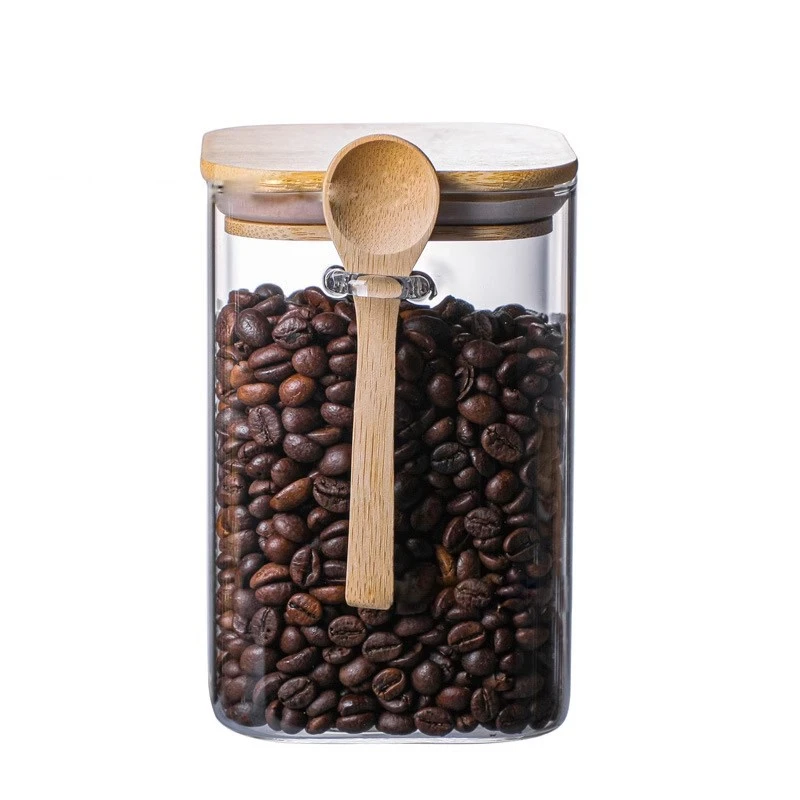
![[All Microwave Safe] High Borosilicate Glass Food Storage Container , Oven Safe without Lid, Dishwasher Safe](https://images.exportstart.com/images/a1251/squre-glass-container-with-glass-lid-518.webp "[All Microwave Safe] High Borosilicate Glass Food Storage Container , Oven Safe without Lid, Dishwasher Safe")
![[Sliding Vent PP Lid] Borosilicate Glass Food Storage Containers with Food-grade Plastic Lid, Airtight, Leak Resistant](https://images.exportstart.com/images/a1251/glass-food-storage-container-with-airtight-lid-183.webp "[Sliding Vent PP Lid] Borosilicate Glass Food Storage Containers with Food-grade Plastic Lid, Airtight, Leak Resistant")
![[Large Skylight Glass Lid] Glass Food Storage Container, Oven Safe with Lid, BPA Free, 100% Leak resistant](https://images.exportstart.com/images/a1251/glass-lid-food-storage-container-1-1-196.webp "[Large Skylight Glass Lid] Glass Food Storage Container, Oven Safe with Lid, BPA Free, 100% Leak resistant")
![[Colorful Vent PP Lid] Glass Food Storage Container, BPA Free, Leakproof, Dishwasher Safe](https://images.exportstart.com/images/a1251/002-1-639.webp "[Colorful Vent PP Lid] Glass Food Storage Container, BPA Free, Leakproof, Dishwasher Safe")
![[Color Vent PP Lid] Borosilicate Glass Food Storage Container, Leakproof, Dishwasher Safe](https://images.exportstart.com/images/a1251/1-941.webp "[Color Vent PP Lid] Borosilicate Glass Food Storage Container, Leakproof, Dishwasher Safe")
![[Vacuum AS] Food Storage Container with Pump](https://images.exportstart.com/images/a1251/7-1-397.webp "[Vacuum AS] Food Storage Container with Pump")