0%

Table of Contents

You know, I've been running around construction sites all year, getting my hands dirty with materials and talking to engineers. It's a tough life, but someone's gotta do it. Lately, everyone’s obsessed with these fancy, high-end glass water bottles. Not just for show, mind you, but really trying to make ‘em durable and reliable. It’s not just about looks anymore, it’s about practical stuff. Seems like everybody wants to move away from plastic, and glass… well, glass feels good, doesn't it? It feels premium.

But to be honest, it's a bit of a minefield. A lot of designers, they sit in their offices and think, "Oh, thick glass, that'll be strong!" But they don’t understand the real world. You drop a bottle from a scaffold, or it gets kicked around on a truck… thick glass just means bigger shards. It's all about the right kind of glass.

I tell you, I spend half my life smelling glass. Borosilicate, that’s the stuff. Smells…clean, if glass can smell clean. It’s got a different weight too, feels solid, doesn’t feel like it’s going to shatter if you look at it wrong. And the coating, that’s important. I was at a factory in Zhejiang province last time and they were using this cheap coating… it peeled off after a week. Just awful. You need a proper silicone sleeve, something that actually grips.
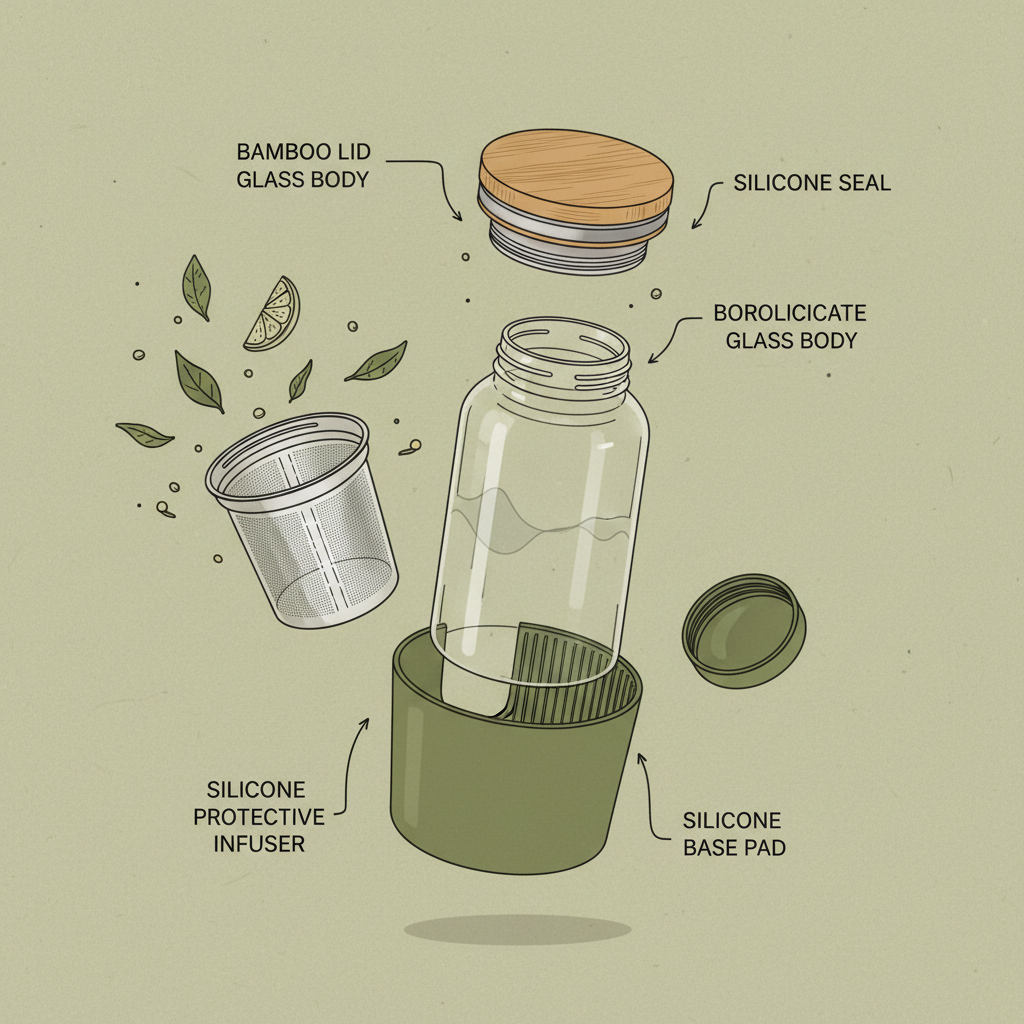
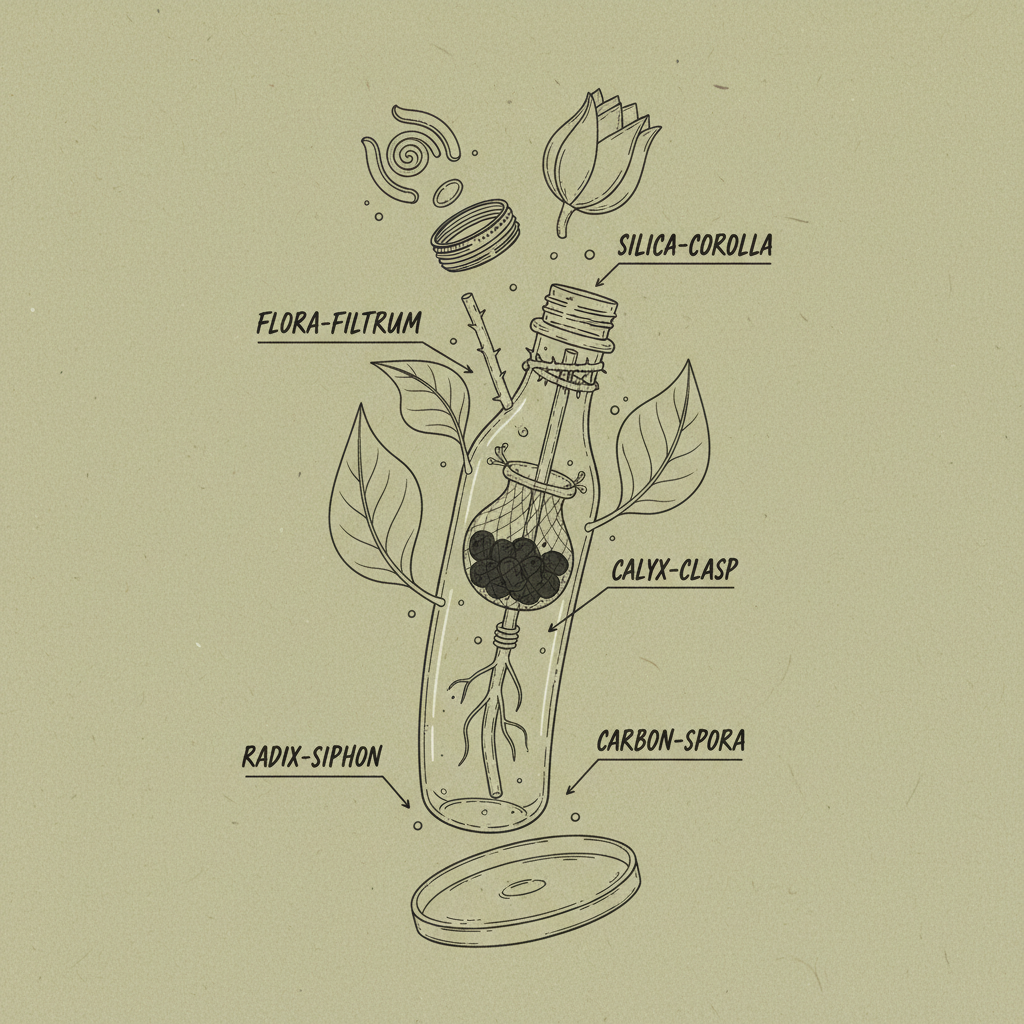
glass water bottle manufacturer

The Rise of Premium Glass Water Bottles

glass water bottle manufacturer

Have you noticed how everyone's ditching plastic? It's a good thing, really. But glass isn’t without its challenges. People are expecting these bottles to withstand abuse, and that’s where the design and material choices become critical. A lot of these manufacturers... well, they’re just trying to cash in on the trend. You gotta look beyond the pretty marketing.

It’s not just about being eco-friendly; it's about performance. A leaky bottle is a useless bottle. A broken bottle is a hazard. We're seeing a real demand for higher-quality glass water bottle manufacturer, and it's pushing the industry to innovate. It’s a good sign, even if it means more headaches for guys like me who have to test everything.

Design Pitfalls and Material Selection

The biggest mistake I see is underestimating the impact. People think a thicker bottle is automatically better. It isn't. It's heavier, and it still shatters – just into bigger pieces. Borosilicate is the key, I’m telling you. It's way more resistant to thermal shock and impact than standard soda-lime glass. Feels different too. More… substantial.

And don't even get me started on the lids. Those cheap plastic screw tops? They crack and strip within a month. Stainless steel is better, obviously, but you need a good seal. I encountered this at a factory in Ningbo last time; the seals were letting in air, making the drinks go flat. Small details, but they make all the difference.

Strangely, some of the best designs I’ve seen are the simplest. A well-designed sleeve, good quality borosilicate glass, a reliable lid… that’s all you really need. Don’t overcomplicate it. It's like building a bridge – keep it simple and strong.

The Importance of Testing: Real-World Scenarios

Lab tests are okay, I guess. Drop tests from a certain height, thermal shock tests, all that. But they don’t tell the whole story. You need to see how these bottles hold up in the real world. We simulate drops from scaffolding, exposure to extreme temperatures, even… well, let's just say "accidental impacts" with heavy machinery.

We also stress test the lids. Repeated opening and closing, exposure to different liquids, even trying to pry them open with tools (yeah, we’ve seen that happen). And the silicone sleeves? We stretch them, twist them, expose them to UV light… you name it. It’s brutal, but it’s necessary. I think the testing phase is the most important part of ensuring the quality of a glass water bottle manufacturer.

Anyway, I think the biggest challenge is simulating real-world use. People don’t treat these bottles gently. They throw them in their bags, they leave them in hot cars, they drop them… you gotta expect the worst.

How Users Actually Use Them

You wouldn't believe it, the way people actually use these things. I was talking to a construction worker the other day, and he told me he fills his with iced coffee and leaves it on the dashboard all day. I said, “Are you crazy? The heat will crack the glass!” He just shrugged and said, “Nah, it’s holding up okay so far.” People are surprisingly forgiving… until something breaks.

And they’re not just using them for water or coffee. I've seen them filled with everything from smoothies to paint thinner (don't ask). The point is, you gotta design for the unexpected.

Glass Water Bottle Manufacturer - User Reported Issues


Advantages, Disadvantages, and Customization Options

The advantages are obvious: glass is inert, so it doesn’t leach chemicals into your drink. It's easy to clean, and it just feels…good to hold. But it’s also fragile, heavy, and can be expensive. It's a trade-off.

Customization? Absolutely. We had a customer who wanted to embed a QR code into the glass itself, so people could track the bottle's origin and recycling information. It was a pain to get right, but we did it. Anything’s possible, as long as you’re willing to pay for it.

A Customer Story from Shenzhen

Last month, that small boss in Shenzhen who makes smart home devices insisted on changing the interface to . Said it was "future-proof." We warned him it would increase the production cost and potentially weaken the structure, but he wouldn’t listen. He wanted to be different. Turns out, the port was a weak point, and the bottles started cracking during shipping. He ended up having to recall the whole batch. Lesson learned, I guess.

He called me up, practically begging to switch back to the standard screw-top. I told him, “I warned you.” He just sighed and said, “Yeah, you did.” It's always the same story.

Anyway, I think that shows you how important it is to listen to the people who actually work with the materials, not just the designers.

Material Comparison: A Rough Guide

I usually scribble something like this on a notepad when I’m comparing materials. It's not pretty, but it gets the job done. It’s a quick way to see what’s worth considering and what’s just a waste of time.

It's not an exact science, obviously, but it gives you a general idea of the trade-offs. You gotta remember, there’s no perfect material. It’s always about finding the best compromise for the specific application.

We’re always looking for new materials too. I saw something at a trade show in Shanghai last year—some kind of bio-plastic coating that's supposed to be as durable as silicone. Still too early to say if it's any good, but it's worth keeping an eye on.

A quick and dirty breakdown of materials we use in glass water bottle manufacturer

Material Durability (1-10) Cost (1-10) Ease of Use
Borosilicate Glass 8 7 Easy to clean, feels good
Soda-Lime Glass 5 4 Cheaper, but more fragile
Stainless Steel (Lids) 9 8 Durable, reliable seal
Silicone (Sleeves) 7 6 Good grip, protects glass
Plastic (Lids - Avoid!) 3 2 Cheap, but breaks easily
Bio-Plastic Coating (Experimental) 6 7 Promising, needs more testing

FAQS

What's the biggest mistake people make when designing glass water bottles?

Honestly? Thinking thicker glass automatically equals stronger. It doesn’t. It just means more dangerous shards when it does break. You need the right type of glass – borosilicate – and a good design that distributes impact forces. Don’t underestimate the importance of the lid and sleeve either; they're critical for overall durability. People often overlook those little details, and that's when things fall apart. Literally.

How do you test these bottles to make sure they’re really durable?

We don't rely on lab tests alone. We simulate real-world scenarios: drops from scaffolding (yes, really!), exposure to extreme temperatures, accidental impacts with tools. We stress test the lids, stretch the sleeves, and even see how they hold up to repeated washing. It's a brutal process, but it's the only way to be confident that the bottles can withstand the abuse they'll inevitably face on a construction site.

Is it really worth spending more on a glass water bottle versus plastic?

That depends. If you're just looking for something cheap and disposable, plastic is fine. But if you want a bottle that's safe, doesn't leach chemicals, and will last for years, glass is the way to go. It’s an investment. And let’s be real, it just feels nicer to drink from. Plus, you're doing your part for the environment. So, yeah, I think it’s worth it.

Can I customize these bottles with my company logo?

Absolutely. We offer a range of customization options, including laser engraving, screen printing, and even embedding QR codes. We can work with you to create a bottle that perfectly reflects your brand. We had one customer who wanted to add a unique texture to the glass; it was a challenge, but we pulled it off. Just be aware that customization will add to the cost and lead time.

What's the biggest trend you're seeing in the glass water bottle industry right now?

Definitely a focus on sustainability. People are looking for bottles made from recycled glass, and they want to know that the manufacturing process is environmentally friendly. They also want more durable designs that will last longer, reducing the need for replacements. It’s a good trend, and it’s pushing the industry to innovate. We're also seeing a growing demand for larger-capacity bottles.

Are there any common issues with glass water bottles that people should be aware of?

Lid leakage is a big one. Cheap plastic lids crack and strip easily. Glass cracking from thermal shock is another issue, especially if you pour boiling water into a cold bottle. And sleeves can peel or tear over time. We try to address these issues in our designs, but it's important for consumers to be aware of them and handle their bottles with care.

Conclusion

So, there you have it. The world of glass water bottles is more complex than you might think. It’s about more than just pretty designs and eco-friendly materials. It's about durability, reliability, and understanding how people actually use these things in the real world. From the type of glass to the design of the lid, every detail matters.

Ultimately, whether this thing works or not, the worker will know the moment he tightens the screw. If it feels solid, if it doesn’t leak, if it survives the day… that’s a good bottle. And if you’re looking for a reliable glass water bottle manufacturer, check out our website: www.yintoglassware.com. We don’t mess around.

Robert Johnson

Robert Johnson

Robert Johnson is our Senior Technical Consultant, specializing in localization and global product readiness. He’s a veteran of the software industry with a passion for ensuring seamless user experiences across various linguistic and cultural contexts. Robert oversees the technical aspects of integrating our solutions with different platforms and languages, guaranteeing
Previous Navigating the Landscape of the Glass Water Bottle Supplier Market
Next glass water bottle factory