 TEL: +86 18903393212
 Email: tina@yintoglassware.com

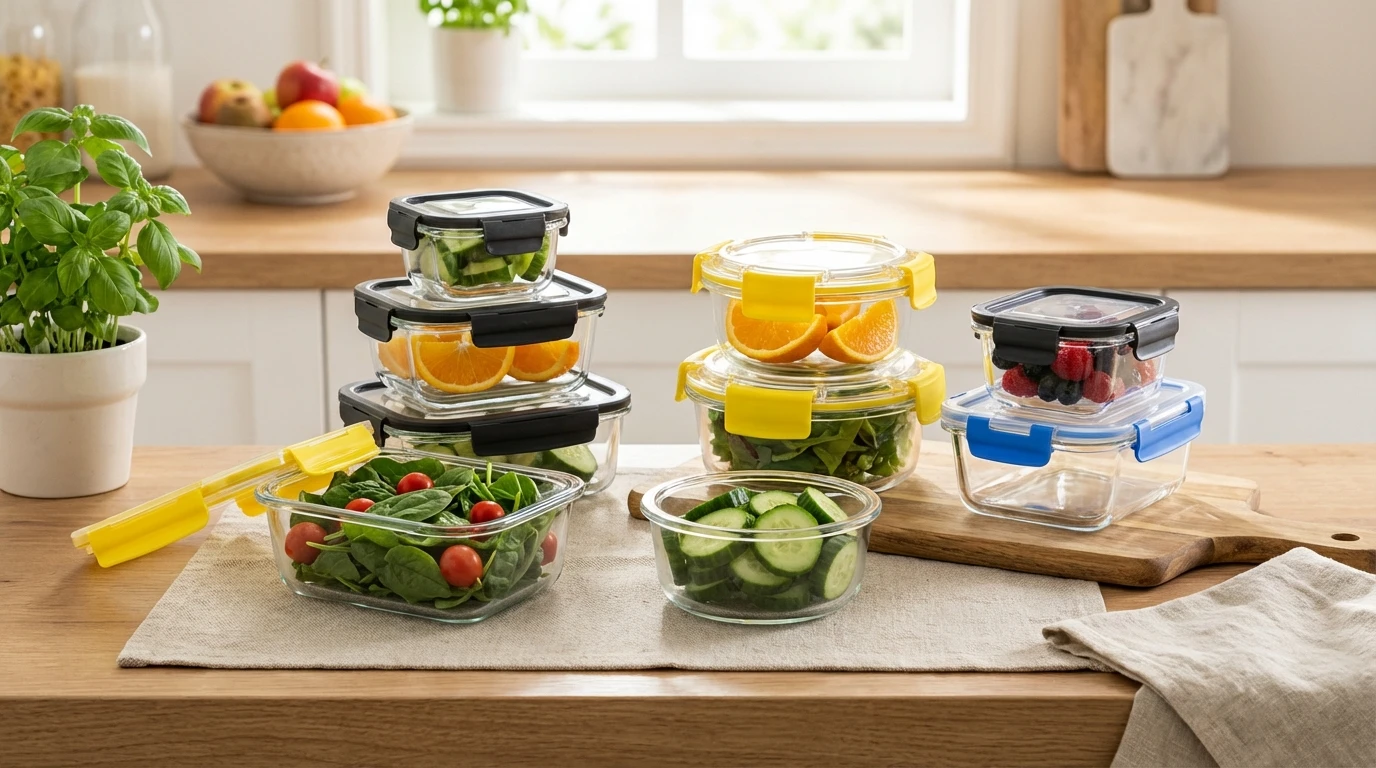
Sustainable 16 oz Glass Drinking Bottles – Durable, Eco-Friendly & Customizable
What Are 16 oz Glass Drinking Bottles and Why They Matter Worldwide
Simply put, 16 oz glass drinking bottles are reusable containers designed to hold approximately half a liter of liquid, made primarily from glass. While they might seem like a small piece of the massive packaging puzzle, they pack a punch across industries—from health-conscious consumers to humanitarian aid. Understanding them goes beyond just sipping your favorite drink; it’s about sustainability, safety, and meeting a global demand that’s shifting fast.
The world has been steadily warming up to eco-friendly packaging, and glass bottles represent a sturdy, reusable alternative to plastics, which clutter oceans and landfills. Glass, being inert and recyclable, helps reduce contamination and preserve product quality. So, when you grasp 16 oz glass drinking bottles' role in this mix, you’re tapping into a broader movement addressing environmental concerns alongside convenience.
Global Context: Why 16 oz Glass Drinking Bottles Are Gaining Momentum
Globally, the beverage packaging market is expected to reach $400 billion by 2026, with sustainable solutions like glass taking an increasing share [1]. The United Nations Environment Programme (UNEP) highlights plastic pollution reduction as key to achieving Sustainable Development Goals (SDGs), especially clean water and responsible consumption [2]. In real terms, many cities worldwide have banned single-use plastic bottles, creating a vacuum that glass containers are well positioned to fill.
However, challenges exist. Glass bottles weigh more and break more easily than plastic, creating hurdles in logistics and safety. Plus, cost and manufacturing processes can be limiting factors. The rising demand for 16 oz glass drinking bottles addresses these through improved design and materials—more on that soon.
Defining 16 oz Glass Drinking Bottles
At their core, 16 oz glass drinking bottles are drinking vessels made from soda-lime or borosilicate glass, designed to hold sixteen fluid ounces—the sweet spot between personal and shareable portions. Their transparent nature offers an aesthetic appeal and helps consumers see product clarity firsthand.
These bottles aren’t just about looks. They intersect food safety regulations, recycling infrastructure, and consumer trends toward natural materials. Many beverage makers—think cold-pressed juices or craft sodas—prefer glass to preserve flavor integrity without chemical leaching risks typical with plastics.
Core Characteristics of 16 oz Glass Drinking Bottles
Durability and Safety
Oddly enough, despite glass being brittle in theory, modern manufacturing techniques have greatly improved its resilience. Tempered and treated variants resist thermal shocks, making bottles surprisingly robust for daily use.
Portability and Convenience
Sixteen ounces is often considered ideal for on-the-go hydration—large enough to satisfy thirst but small enough to carry easily. The bottle’s shape and weight distribution are carefully designed to balance sturdiness with ergonomic handling.
Sustainability and Reusability
Because glass is 100% recyclable without loss of quality, these bottles have a much lower environmental footprint over time compared to single-use plastics. Many brands are now encouraging refills, creating closed-loop economies.
Cost Efficiency
Upfront costs might be higher than plastic alternatives, but long-term savings emerge through durability and recyclable value. Repeat customers who reuse bottles further improve cost-effectiveness.
Customizability and Branding
Glass bottles offer excellent adaptability with embossing, screen printing, and unique shapes to help brands stand out on crowded shelves.
16 oz Glass Drinking Bottles in Real-World Use
Their applications span multiple sectors and regions. In Europe and parts of North America, health-conscious consumers favor glass water and juice bottles for “clean-label” assurances. Meanwhile, in many developing regions, NGOs deploy glass bottles to provide safe drinking water in areas with challenging sanitation infrastructure [3].
Post-disaster relief scenarios often benefit from glass bottles’ inertness, ensuring no toxic leachates contaminate water supplies. Industrial firms in remote zones prefer them since glass helps avoid chemical contamination that can interfere with processes requiring high-purity water sources.
Advantages & Long-Term Impact of Using Glass Bottles
- Environmental Friendliness: Dramatically reduces plastic waste, contributing to ocean health improvement.
- Health & Safety: No BPA or plasticizers; preserves taste and quality.
- Economic Benefit: Brands earn customer loyalty through superior presentation and sustainability.
- Emotional & Social Impact: Consumers feel more connected to eco-conscious choices, boosting trust and dignity.
Overall, using 16 oz glass drinking bottles marries practicality with responsible innovation — which feels like a win-win.
Technical Snapshot: 16 oz Glass Drinking Bottle Specification
| Specification | Details |
|---|---|
| Capacity | 16 US fluid ounces (473 ml) |
| Material | Soda-lime glass or borosilicate glass |
| Weight | Approx. 250-350 grams (varies by design) |
| Neck Finish | Standard 28mm threaded or custom closures |
| Temperature Tolerance | Up to 150°C for borosilicate; 60-70°C for soda-lime |
| Recyclable | Yes, 100% indefinitely recyclable |
How Vendors Stack Up: A Quick Comparison
| Vendor | Product Range | Price per unit (approx.) | Sustainability Initiatives | Lead Time |
|---|---|---|---|---|
| Yinto Glassware | Standard & custom 16 oz bottles | $0.80 - $1.10 | 100% recycled raw materials, closed-loop recycling | 4-6 weeks |
| ClearGlass Co. | Limited designs, mostly standard bottles | $0.70 - $1.00 | Use of renewable energy in production | 3-5 weeks |
| EcoPack Glass | Custom eco-friendly designs | $1.00 - $1.40 | Carbon-neutral shipping, biodegradable packaging | 5-7 weeks |
Looking Ahead: Innovations in Glass Bottle Technology
Future trends lean heavily on making glass lighter and tougher, borrowing from aerospace-grade materials. Researchers are experimenting with ultra-thin walls and surface coatings that resist scratches and stains while cutting down on weight.
Digitally-enabled bottles with QR codes and NFC chips are also gaining popularity, linking consumers to information about product origin, recycling, and refill programs. This tech-driven transparency taps into today’s informed consumers who want stories behind what they drink.
Additionally, policies in the EU and North America supporting circular economies push manufacturers toward higher recycled content and bottle return incentives—helping to close the loop sustainably.
Common Challenges—and How Experts Suggest We Solve Them
Glass’s weight and breakage risk can’t just be wished away. Still, many logistics companies now use innovative cushioning materials and modular packaging to minimize impact damage. On the production side, supply chain diversification reduces material shortages that can slow delivery times.
Price sensitivity remains an issue for emerging markets. Some producers are introducing hybrid bottles—glass core with protective silicone sleeves—delivering protection at a competitive cost.
Frequently Asked Questions About 16 oz Glass Drinking Bottles
- Q1: Are 16 oz glass bottles suitable for hot beverages?
- A1: It depends on the glass type. Borosilicate glass bottles can generally withstand higher temperatures up to 150°C, making them safe for hot drinks. However, soda-lime glass bottles handle heat poorly beyond 60-70°C, so it’s best to check manufacturer guidelines before use.
- Q2: How many times can I safely reuse a 16 oz glass bottle?
- A2: When handled carefully, glass bottles can be reused hundreds of times. Proper cleaning helps avoid cracks or bacterial buildup. Consider bottles with protective sleeves to extend life and reduce breakage risk.
- Q3: Can I customize 16 oz glass drinking bottles for branding?
- A3: Absolutely. Many suppliers offer screen printing, embossing, and custom shapes to match your brand identity. This not only personalizes the product but also helps it stand out in crowded markets.
- Q4: Are glass bottles better for the environment than plastic?
- A4: Generally yes. Glass is 100% recyclable with no quality loss and does not leach chemicals. Though heavier and energy-intensive to produce initially, its reuse and recycling minimize overall environmental impact.
In Conclusion: Why 16 oz Glass Drinking Bottles Deserve Your Attention
Whether you're a beverage producer, a conscientious consumer, or an NGO aiming to deliver clean water safely, 16 oz glass drinking bottles offer a practical, sustainable, and increasingly customizable solution. They strike a balance between tradition and innovation—a tangible way to reduce plastic waste while preserving product integrity and consumer trust.
If you’re curious to explore high-quality, sustainable options, don’t hesitate to visit our website at 16 oz glass drinking bottles to learn more today.
Mini takeaway: Embracing glass isn't just a packaging choice—it's a step towards circular economies and cleaner, safer communities worldwide.
References
-
Ultimate Guide to Choosing Big Glass Storage Containers for Every NeedNewsApr.16,2026
-
Small Glass Lunch Containers Guide for Healthy Meal PrepNewsApr.09,2026
-
Comprehensive Guide to Choosing the Best Storage Containers for Dishes and GlassesNewsApr.07,2026
-
Selecting The Optimal 300ml Food Containers For Your Business NeedsNewsApr.04,2026
-
Discover the Benefits of Durable 3 Cup Glass Food Storage ContainersNewsMar.31,2026
-
Comprehensive Guide to Choosing Superior Glass Divided Food ContainersNewsMar.28,2026
![[Extra Large with Handle] Oven Safe Glass Food Storage Container with Airtight Locking Lid & Handle, Oven Safe Dishwasher Safe](https://images.exportstart.com/images/a1251/extra-larger-glass-container-with-snap-locking-lid-164.webp "[Extra Large with Handle] Oven Safe Glass Food Storage Container with Airtight Locking Lid & Handle, Oven Safe Dishwasher Safe")
![[All Microwave Safe] High Borosilicate Glass Food Storage Container , Oven Safe without Lid, Dishwasher Safe](https://images.exportstart.com/images/a1251/squre-glass-container-with-glass-lid-518.webp "[All Microwave Safe] High Borosilicate Glass Food Storage Container , Oven Safe without Lid, Dishwasher Safe")
![[Sliding Vent PP Lid] Borosilicate Glass Food Storage Containers with Food-grade Plastic Lid, Airtight, Leak Resistant](https://images.exportstart.com/images/a1251/glass-food-storage-container-with-airtight-lid-183.webp "[Sliding Vent PP Lid] Borosilicate Glass Food Storage Containers with Food-grade Plastic Lid, Airtight, Leak Resistant")
![[Large Skylight Glass Lid] Glass Food Storage Container, Oven Safe with Lid, BPA Free, 100% Leak resistant](https://images.exportstart.com/images/a1251/glass-lid-food-storage-container-1-1-196.webp "[Large Skylight Glass Lid] Glass Food Storage Container, Oven Safe with Lid, BPA Free, 100% Leak resistant")
![[Colorful Vent PP Lid] Glass Food Storage Container, BPA Free, Leakproof, Dishwasher Safe](https://images.exportstart.com/images/a1251/002-1-639.webp "[Colorful Vent PP Lid] Glass Food Storage Container, BPA Free, Leakproof, Dishwasher Safe")
![[Color Vent PP Lid] Borosilicate Glass Food Storage Container, Leakproof, Dishwasher Safe](https://images.exportstart.com/images/a1251/1-941.webp "[Color Vent PP Lid] Borosilicate Glass Food Storage Container, Leakproof, Dishwasher Safe")
![[Vacuum AS] Food Storage Container with Pump](https://images.exportstart.com/images/a1251/7-1-397.webp "[Vacuum AS] Food Storage Container with Pump")