 TEL: +86 18903393212
 Email: tina@yintoglassware.com

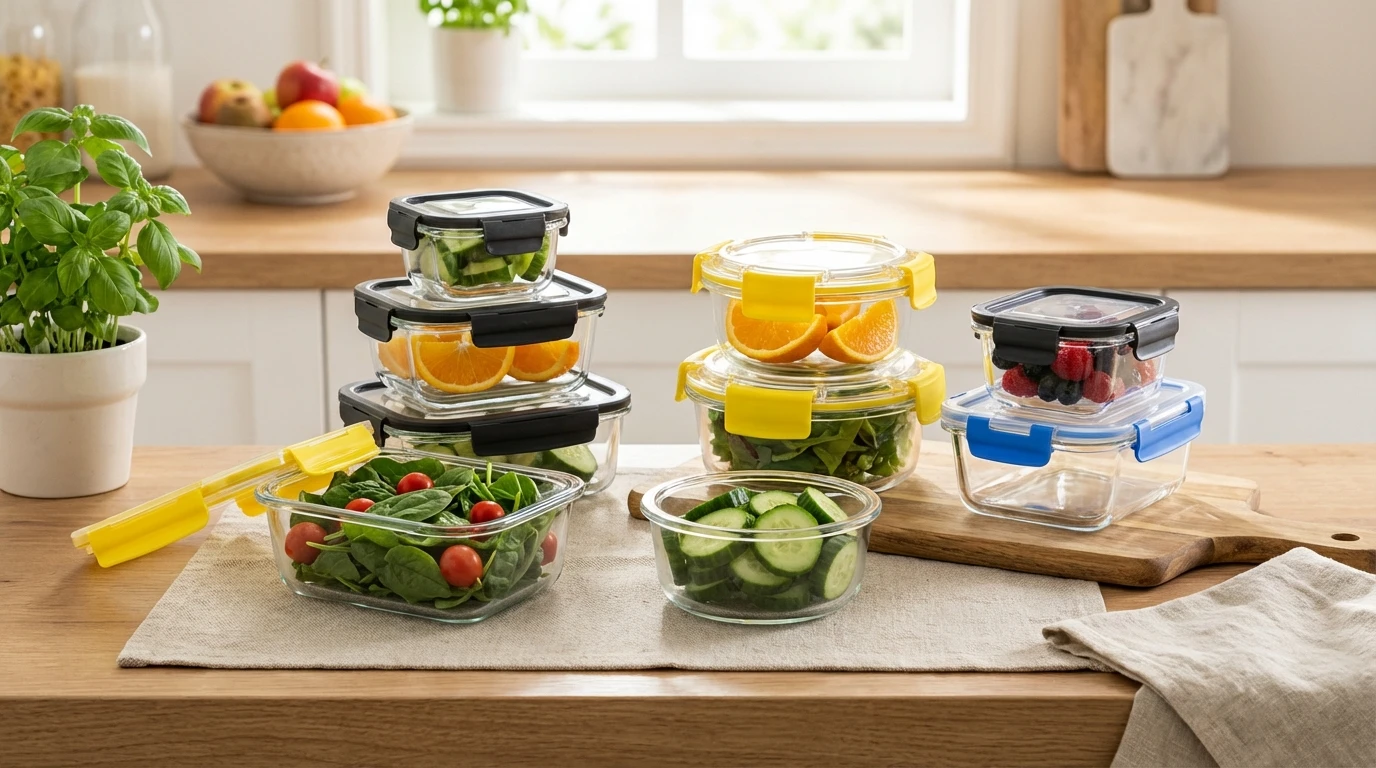
Sustainable and Durable 34 oz Glass Bottles for Beverage, Cosmetic & Industrial Use | Yinto Glassware
Understanding the 34 oz Glass Bottle: Why It Matters Globally
At first glance, a 34 oz glass bottle might seem like just another container on supermarket shelves. But if you pause to consider it, this humble vessel plays a significant role worldwide—in everything from sustainable packaging to preserving product integrity in industries like beverages, cosmetics, and pharmaceuticals. Given increasing environmental concerns and shifting consumer preferences, understanding the nuances of the 34 oz glass bottle isn’t just about packaging: it’s about how businesses and communities manage resources responsibly and effectively.
Globally, glass bottles account for a sizable chunk of recyclable materials. According to the International Organization for Standardization (ISO), glass packaging offers durability, chemical inertness, and the option of infinite recyclability—a key factor in fighting plastic pollution. That’s just one reason why manufacturers and consumers alike are gravitating toward glass bottles in the 30-40 oz range, 34 oz being a popular size for both individual and bulk beverage uses.
Mini takeaway: The 34 oz glass bottle might appear plain, but it sits at the intersection of sustainability, product integrity, and global packaging trends.
The 34 oz Glass Bottle in Industry and Everyday Life
Let’s zoom out: why does the 34 oz glass bottle matter on a bigger scale? The World Bank reports that packaging waste poses a massive environmental challenge worldwide, leading to land and ocean pollution. Glass, being inert and recyclable, emerges as a champion in this battle. Yet, not all glass bottles are created equal. The specific 34 oz size hits a sweet spot—it’s large enough for multi-use purposes (think premium juices, artisanal spirits, specialty soaps) but still compact enough for easy shipping and handling.
But there’s more. In humanitarian aid efforts, such bottles sometimes serve in repurposed ways—like water distribution in disaster zones—where durability and non-toxicity are critical. You could call it a hidden hero, quietly supporting critical supply chains worldwide.
Mini takeaway: The 34 oz glass bottle is not a niche product — it intersects with environmental goals, global trade, and even emergency logistics.
What Is a 34 oz Glass Bottle?
In simple terms, a 34 oz glass bottle is a container made primarily from soda-lime or borosilicate glass holding approximately 34 fluid ounces (or about 1 liter) of liquid. This size is favored for its balance between portability and volume, making it especially popular in food, beverage, pharmaceutical, and cosmetic industries.
Its design may vary depending on the intended use—some bottles have narrow necks for pouring or sealing, while others are broader for easier filling. But at its core, the 34 oz glass bottle is prized for its non-reactive surface, keeping contents fresh without leaching chemicals, unlike some plastics.
Mini takeaway: A 34 oz glass bottle is a moderately sized, versatile container prized for its purity, practicality, and protective qualities.
Key Factors That Make the 34 oz Glass Bottle Stand Out
1. Durability and Protection
Glass is famously strong when properly made, especially borosilicate varieties known for thermal resistance. The 34 oz size balances toughness with manageability. Many manufacturers add thickness to prevent breakage during transportation—a crucial factor for exporters.
2. Environmental Sustainability
Unlike plastic, glass can be recycled indefinitely without losing quality. According to the UN Environment Programme, glass recycling rates in some countries exceed 70%, showing it can realistically support a circular economy.
3. Cost Efficiency
While initially costlier than plastic, glass bottles’ reusability and consumer appeal often justify the price premium. Brands investing in the 34 oz glass bottle often report enhanced perceived value and less product spoilage.
4. Scalability and Customization
From straightforward clear designs to intricate embossing or colored glass, the 34 oz bottle adapts easily to brand identities. Production can scale to meet small batch artisanal demands or large industrial runs.
5. User Experience
Consumers often mention the premium feel of glass—heavier, cooler to the touch, and safer to reuse. This emotional connection encourages reuse and brand loyalty, something plastic can't match.
| Specification | Details |
|---|---|
| Volume Capacity | 34 fluid ounces (approx. 1 liter) |
| Material | Soda-lime or Borosilicate glass |
| Weight (empty) | ~400-500 grams |
| Neck Finish | Standard/Customizable (e.g., screw top, cork) |
| Recyclability | 100% recyclable |
| Typical Use Cases | Beverages, oils, cosmetics, pharmaceuticals |
Global Applications and Practical Use Cases
Around the world, the 34 oz glass bottle is remarkably versatile. In Europe, artisanal beverage producers rely on it for craft beer and cold-pressed juices, appealing to eco-conscious consumers. In Asia, cosmetic companies package essential oils and lotions in tinted 34 oz bottles to protect light-sensitive ingredients.
Humanitarian agencies use these bottles, sometimes as part of emergency water kits in disaster relief zones, because glass’s inert nature helps avoid contamination. Oddly enough, it’s a small but critical piece in the complex machinery of supply and aid chains.
Industrially, remote manufacturing zones utilize 34 oz glass bottles for specialty chemicals, where reactivity and contamination must be minimized.
Mini takeaway: The 34 oz glass bottle’s real-world footprint ranges from boutique markets to life-saving humanitarian missions.
Advantages and Long-Term Value of Choosing Glass
- Sustainability: Infinite recyclability and reduced plastic dependency.
- Health & Safety: Glass is non-toxic and hypoallergenic.
- Brand Image: Premium feel that resonates with eco-conscious consumers.
- Durability: Resistant to temperature fluctuations and chemical degradation.
Emotionally, customers often report feeling more connected to products in glass bottles—it inspires trust and provides a sense of care. Logically, brands endure less spoilage and preserve flavors better.
Emerging Trends and Innovations
The 34 oz glass bottle segment is evolving. Manufacturers increasingly use eco-friendly production processes, such as electric furnaces powered by renewable energy. Some companies experiment with ultra-lightweight glass, reducing transportation emissions without sacrificing durability.
Also, the rise of smarter packaging — bottles with QR codes or embedded sensors — is set to revolutionize user interaction with beverages or pharmaceuticals. Sustainability policies like the EU’s Single-Use Plastics Directive push companies toward more glass adoption.
Challenges and How the Industry Is Responding
Glass bottles, including the 34 oz size, aren’t without drawbacks. Fragility and weight increase shipping costs, and breakage can cause waste. However, improved design techniques, better packaging materials, and logistics advances reduce these risks.
Recycling infrastructure remains patchy in some regions, but international organizations and companies are collaborating to boost collection and reuse programs, recognizing that sustainable packaging depends on a systems approach, not just the bottle itself.
| Vendor | Price per 1000 | Custom Options | Typical Lead Time | Global Shipping |
|---|---|---|---|---|
| Yinto Glassware | $850 | Embossing, Tints, Neck Finishes | 3-5 weeks | Yes |
| ClearBottle Co. | $900 | Limited Colors, Standard Neck | 4-6 weeks | Regional Only |
| GreenPak Glass | $830 | Recycled Glass, Custom Printing | 5-7 weeks | Global |
Frequently Asked Questions About 34 oz Glass Bottles
- Q: Are 34 oz glass bottles reusable and safe for everyday use?
- A: Absolutely. Glass is non-toxic and does not leach chemicals, making these bottles safe for multiple uses. Just ensure they are properly cleaned and handled to avoid breakage.
- Q: How do 34 oz glass bottles compare with plastic bottles environmentally?
- Glass bottles are infinitely recyclable and tend to have a smaller environmental footprint over time, especially when reused or recycled properly, whereas plastics degrade and cause pollution.
- Q: Can I customize the 34 oz glass bottle for my brand?
- Yes, most manufacturers offer options like embossing, colored glass, and neck finish variations, allowing brands to create unique packaging to stand out in the market.
- Q: What’s the typical lead time if I order a large batch of these bottles?
- Lead time varies by vendor but expect anywhere from 3 to 7 weeks for standard orders, depending on customization and shipping logistics.
- Q: How does shipping glass bottles internationally handle breakage risks?
- Proper packaging and reinforced crates are essential. Reputable vendors use industry-standard protective measures to minimize damage during freight.
In Conclusion: Why the 34 oz Glass Bottle Is a Smart Choice
Whether you’re a beverage brand, a cosmetics company, or involved in humanitarian aid logistics, the 34 oz glass bottle is a surprisingly important asset. It delivers a balance of size, sustainability, durability, and consumer appeal that few alternatives match. Long term, investing in glass packaging like this not only makes environmental sense but also safeguards product integrity—and that’s priceless.
For those ready to explore quality options or customization, 34 oz glass bottle specialists like Yinto Glassware provide comprehensive solutions to fit your needs globally. Because sometimes it’s the simplest things—the good old glass bottle—that carry the most weight behind the scenes.
References
-
Ultimate Guide to Choosing Big Glass Storage Containers for Every NeedNewsApr.16,2026
-
Small Glass Lunch Containers Guide for Healthy Meal PrepNewsApr.09,2026
-
Comprehensive Guide to Choosing the Best Storage Containers for Dishes and GlassesNewsApr.07,2026
-
Selecting The Optimal 300ml Food Containers For Your Business NeedsNewsApr.04,2026
-
Discover the Benefits of Durable 3 Cup Glass Food Storage ContainersNewsMar.31,2026
-
Comprehensive Guide to Choosing Superior Glass Divided Food ContainersNewsMar.28,2026
![[Extra Large with Handle] Oven Safe Glass Food Storage Container with Airtight Locking Lid & Handle, Oven Safe Dishwasher Safe](https://images.exportstart.com/images/a1251/extra-larger-glass-container-with-snap-locking-lid-164.webp "[Extra Large with Handle] Oven Safe Glass Food Storage Container with Airtight Locking Lid & Handle, Oven Safe Dishwasher Safe")
![[All Microwave Safe] High Borosilicate Glass Food Storage Container , Oven Safe without Lid, Dishwasher Safe](https://images.exportstart.com/images/a1251/squre-glass-container-with-glass-lid-518.webp "[All Microwave Safe] High Borosilicate Glass Food Storage Container , Oven Safe without Lid, Dishwasher Safe")
![[Sliding Vent PP Lid] Borosilicate Glass Food Storage Containers with Food-grade Plastic Lid, Airtight, Leak Resistant](https://images.exportstart.com/images/a1251/glass-food-storage-container-with-airtight-lid-183.webp "[Sliding Vent PP Lid] Borosilicate Glass Food Storage Containers with Food-grade Plastic Lid, Airtight, Leak Resistant")
![[Large Skylight Glass Lid] Glass Food Storage Container, Oven Safe with Lid, BPA Free, 100% Leak resistant](https://images.exportstart.com/images/a1251/glass-lid-food-storage-container-1-1-196.webp "[Large Skylight Glass Lid] Glass Food Storage Container, Oven Safe with Lid, BPA Free, 100% Leak resistant")
![[Colorful Vent PP Lid] Glass Food Storage Container, BPA Free, Leakproof, Dishwasher Safe](https://images.exportstart.com/images/a1251/002-1-639.webp "[Colorful Vent PP Lid] Glass Food Storage Container, BPA Free, Leakproof, Dishwasher Safe")
![[Color Vent PP Lid] Borosilicate Glass Food Storage Container, Leakproof, Dishwasher Safe](https://images.exportstart.com/images/a1251/1-941.webp "[Color Vent PP Lid] Borosilicate Glass Food Storage Container, Leakproof, Dishwasher Safe")
![[Vacuum AS] Food Storage Container with Pump](https://images.exportstart.com/images/a1251/7-1-397.webp "[Vacuum AS] Food Storage Container with Pump")