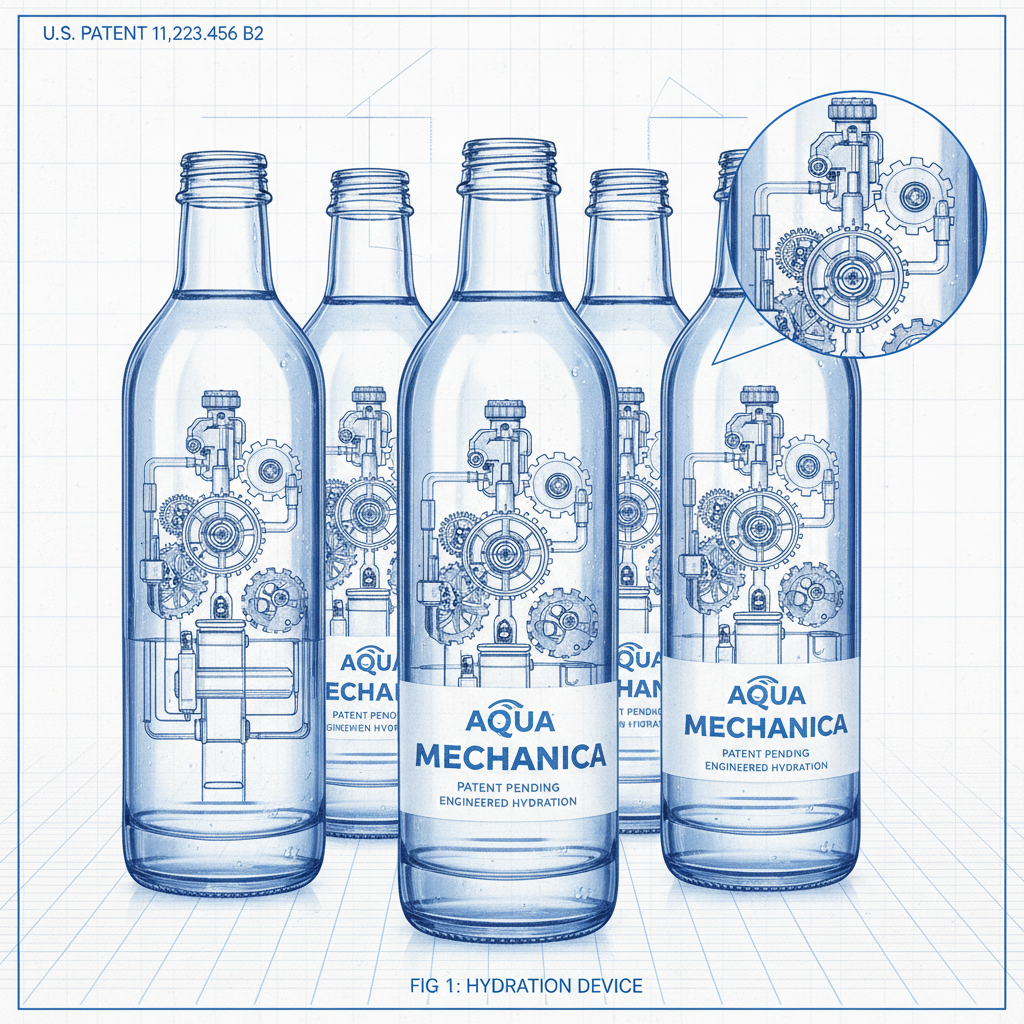
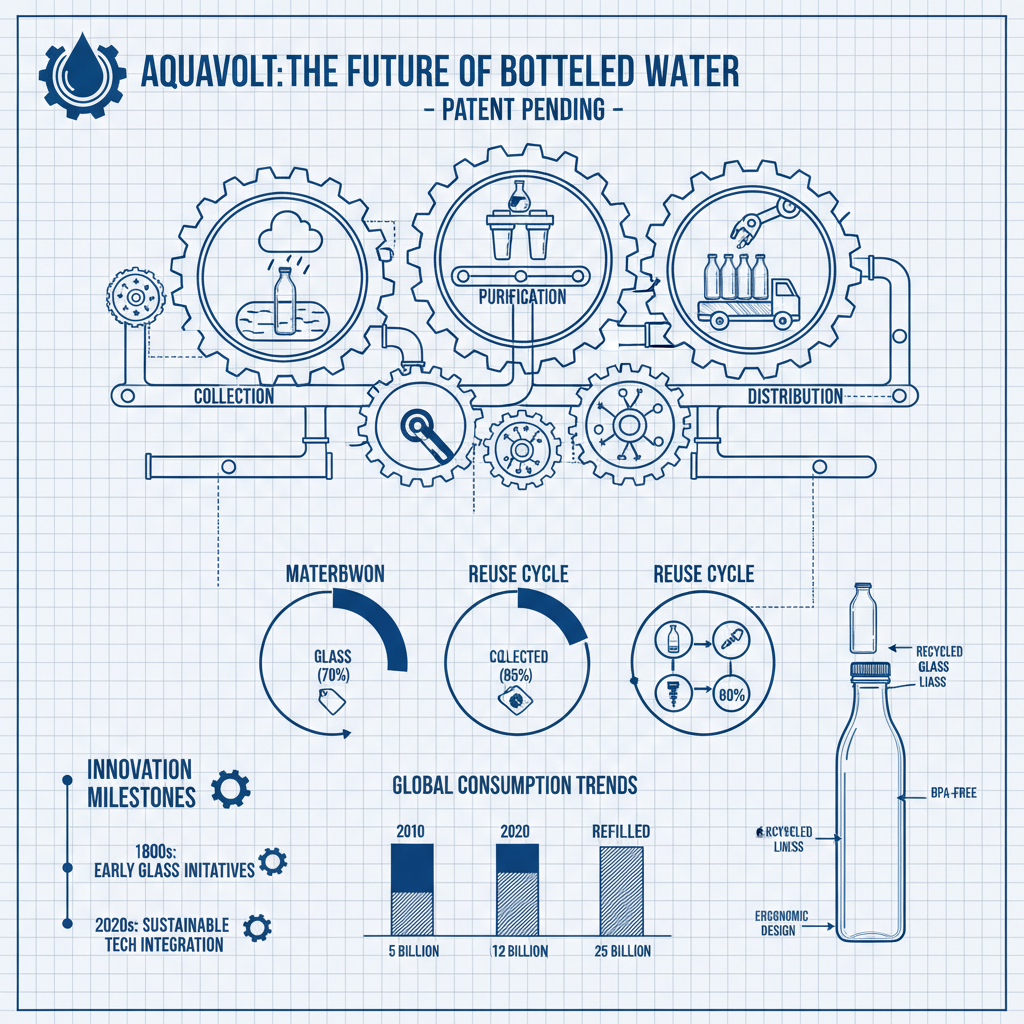
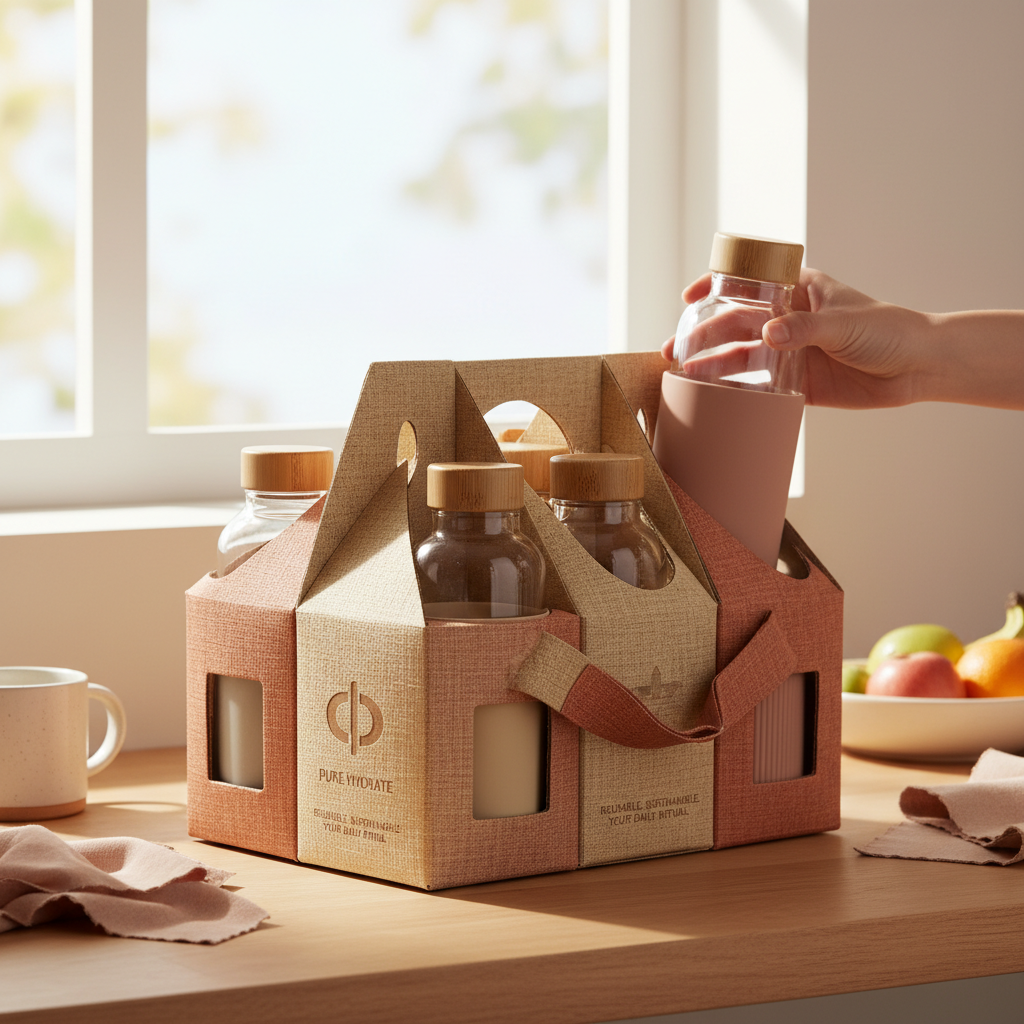
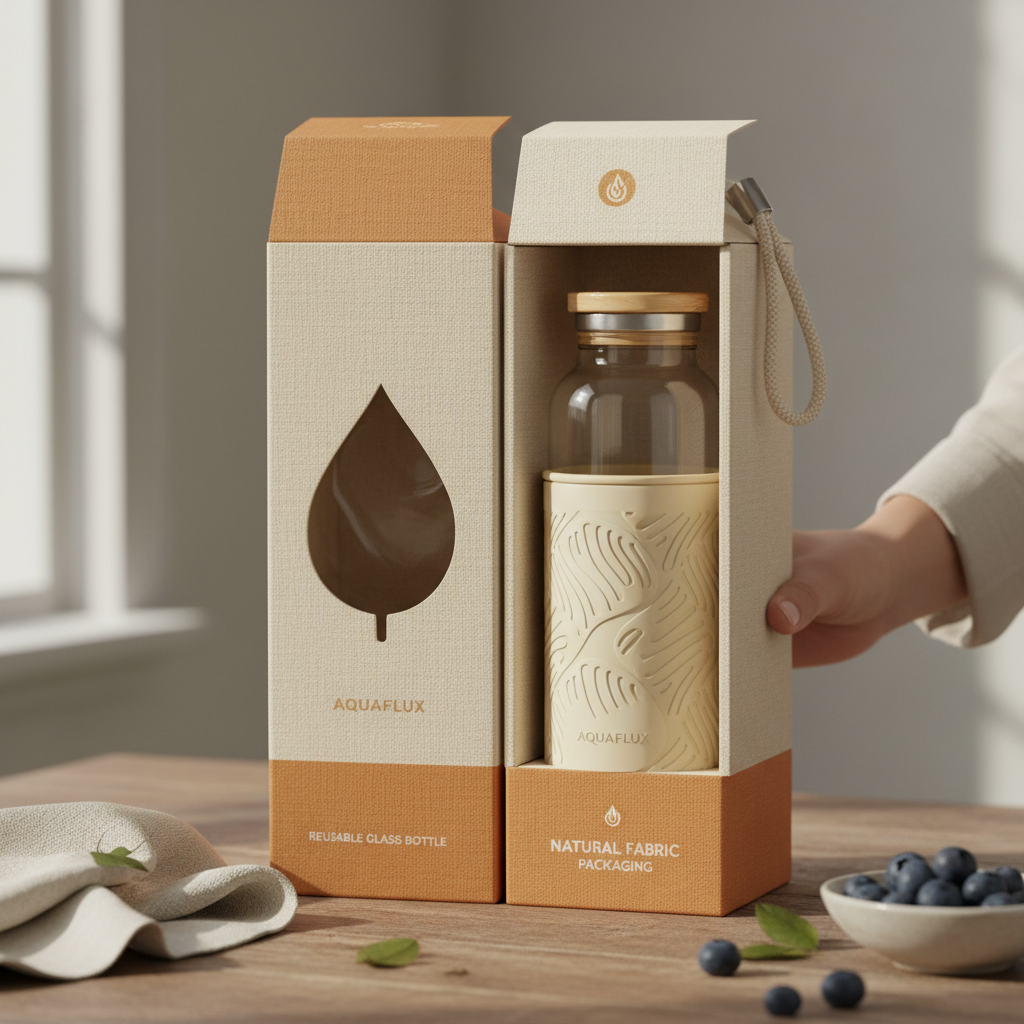
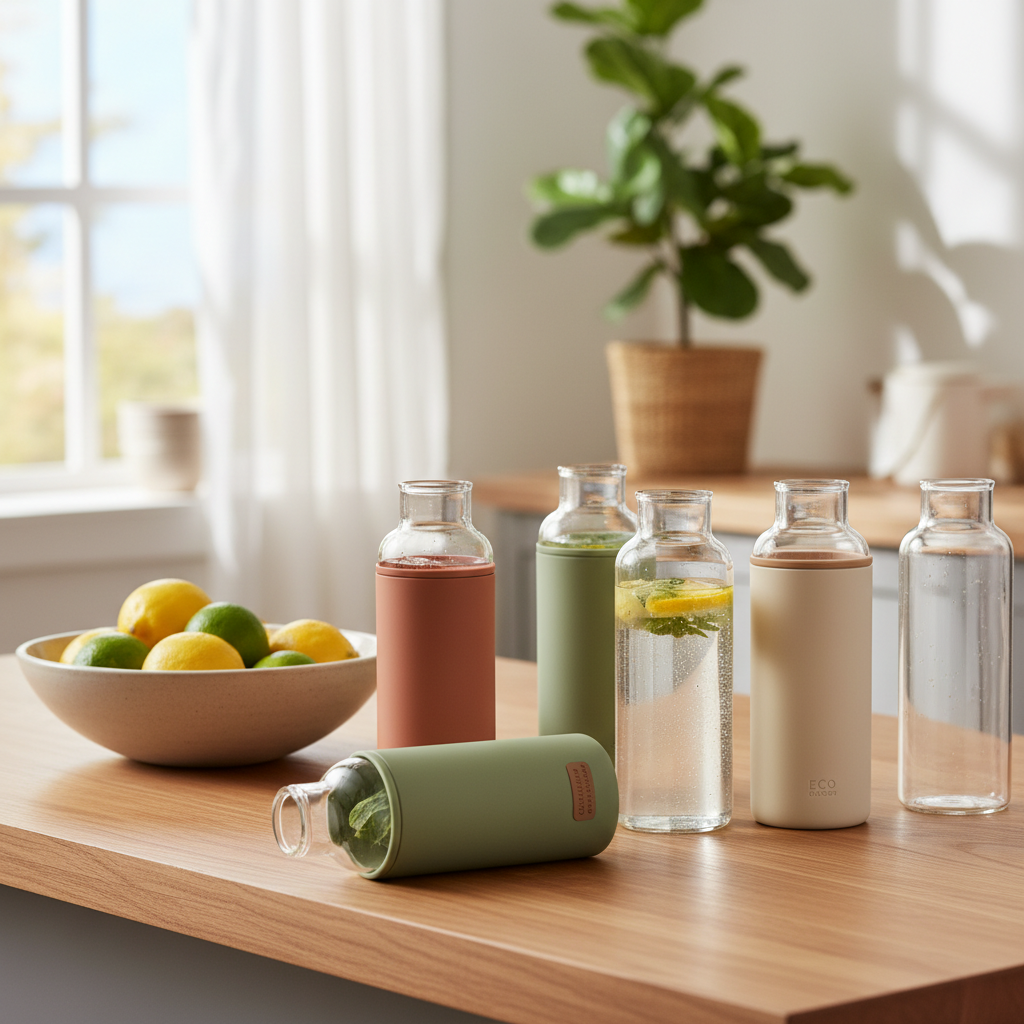
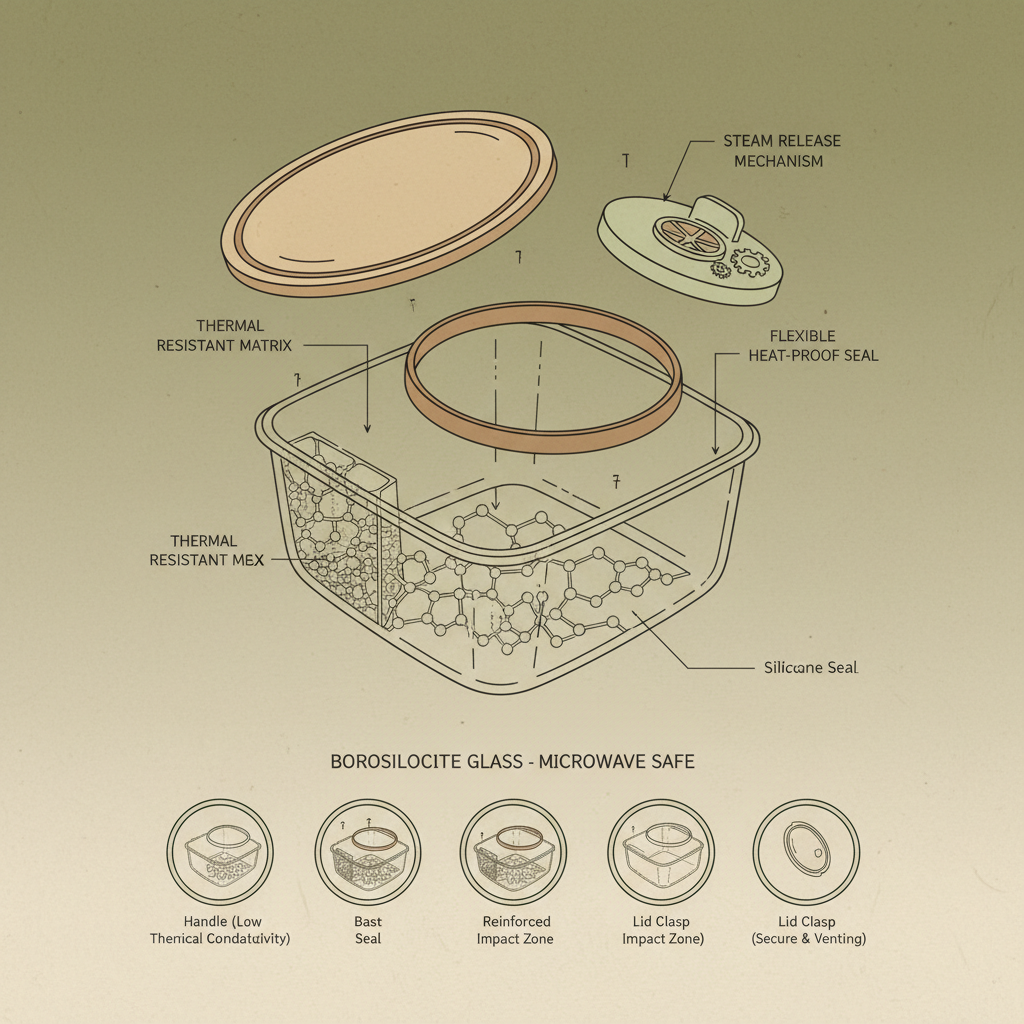
The global demand for safe, convenient, and sustainable beverage packaging is driving significant growth in the market for water in glass bottles for sale. Consumers are increasingly aware of the health and environmental impacts of their choices, leading to a preference for alternatives to plastic. Glass offers a non-toxic, recyclable, and aesthetically pleasing option, creating a strong demand for high-quality water packaged in glass. This demand spans various sectors, from everyday consumption to specialized markets like restaurants, hotels, and event planning.
The industry surrounding water in glass bottles for sale is evolving rapidly, with innovations in bottle design, production techniques, and supply chain management. Sustainability is no longer just a marketing buzzword but a core expectation. Companies are actively seeking ways to minimize their carbon footprint, optimize logistics, and ensure responsible sourcing of materials. This translates to a need for efficient and scalable solutions for both large-scale bottling operations and smaller, artisan producers.
Understanding the nuances of this market—from material science to consumer preferences—is crucial for businesses seeking to thrive. Investing in reliable suppliers and embracing innovative technologies are key to meeting the growing demand for high-quality water in glass bottles for sale while maintaining profitability and environmental responsibility.
The Growing Demand for water in glass bottles for sale
The market for water in glass bottles for sale is experiencing a significant upswing, driven by increasing consumer awareness of health and environmental concerns. Plastic waste has become a major global issue, prompting many consumers to actively seek out sustainable alternatives. Glass, with its 100% recyclability and inert nature, provides a compelling solution.
This shift in consumer behavior is impacting a wide range of industries, from bottled water manufacturers to restaurants and event organizers. The desire for a premium, eco-friendly product is fostering innovation in bottle design and branding, further driving demand for water in glass bottles for sale.
Defining Water in Glass Bottles for Sale
Water in glass bottles for sale refers to potable water specifically packaged and distributed in glass containers. This encompasses a broad range of products, including still, sparkling, and flavored water, sourced from various origins – spring water, purified water, and mineral water being common examples. Unlike plastic bottles, glass offers a barrier that prevents leaching of chemicals into the water, preserving its taste and purity.
The distinction between ‘water in glass bottles for sale’ and other bottled water categories often lies in the emphasis on premium quality, sustainability, and brand image. While plastic bottles remain a more cost-effective option, glass resonates with consumers seeking a higher-end product that aligns with their values.
This category plays a crucial role in addressing modern humanitarian needs as well, offering a safe and reusable container for clean water distribution in disaster relief efforts or regions with limited access to potable water sources.
Key Characteristics of Premium Glass Bottled Water
Premium water in glass bottles for sale isn’t just about the container; it’s about the entire experience. Key characteristics include purity, source location, mineral composition, and branding. Water sourced from protected springs or purified using advanced filtration techniques often commands a higher price point, reflecting the commitment to quality.
Glass itself contributes significantly. Its inert nature ensures the water remains untainted by plastic flavors or chemicals. The aesthetic appeal of glass, allowing for elegant bottle designs, enhances the perceived value. Furthermore, glass bottles are easily sterilized and reused, contributing to a circular economy and reducing environmental impact.
Finally, traceability and transparency are becoming increasingly important. Consumers want to know where their water comes from, how it's processed, and the environmental practices of the bottling company. Clear labeling and certifications, such as those indicating organic or sustainable sourcing, build trust and further enhance the premium perception of water in glass bottles for sale.
Factors Influencing the Cost of water in glass bottles for sale
The price of water in glass bottles for sale is significantly higher than that of water in plastic bottles, due to several factors. The cost of glass production itself is higher, requiring more energy and specialized equipment. Transportation costs are also greater due to the weight of glass, increasing fuel consumption and logistical complexity.
Bottle design and customization play a role, with unique shapes, embossed logos, and specialized closures adding to the overall expense. Furthermore, the need for robust packaging to prevent breakage during shipping increases material and labor costs.
Cost Breakdown of water in glass bottles for sale
Global Applications and Market Segments
Water in glass bottles for sale finds application across a diverse range of sectors. The hospitality industry—including restaurants, hotels, and bars—heavily relies on glass bottled water to enhance the dining experience and appeal to environmentally conscious customers. Similarly, the event planning sector favors glass bottles for their aesthetic appeal and association with premium quality.
Retail channels, including supermarkets and specialty food stores, are also key markets. Increasingly, consumers are opting for water in glass bottles for sale for everyday consumption, valuing the perceived health benefits and sustainable packaging. In post-disaster relief operations, glass bottles provide a reusable and hygienic water storage solution.
Advantages and Sustainable Value Proposition
The advantages of choosing water in glass bottles for sale extend beyond mere aesthetics. Glass is 100% recyclable, meaning it can be recycled endlessly without losing quality or purity. This significantly reduces landfill waste and promotes a circular economy. The inert nature of glass also preserves the taste and quality of the water, unlike plastic, which can leach chemicals into the liquid.
From a brand perspective, glass conveys a sense of premium quality, sophistication, and environmental responsibility. This can enhance brand image and attract customers willing to pay a higher price for a superior product. The reusability of glass bottles also reduces the overall environmental impact compared to single-use plastic, contributing to a more sustainable lifestyle.
Furthermore, the increased emphasis on traceability and source transparency aligns with consumer values. The use of glass bottled water demonstrates a commitment to ethical sourcing and responsible production practices, building trust and loyalty.
Future Trends and Technological Advancements
The future of water in glass bottles for sale is likely to be shaped by several key trends. Lightweighting glass technology, aiming to reduce the weight of bottles without compromising strength, will lower transportation costs and environmental impact. Innovations in glass coating technologies will enhance bottle durability and scratch resistance.
The rise of closed-loop recycling systems, where glass bottles are collected, processed, and reused locally, will further minimize waste and carbon emissions. Digital traceability solutions, leveraging blockchain technology, will provide consumers with greater transparency regarding the origin and processing of their water.
Smart packaging, incorporating sensors to monitor water quality and temperature, may become increasingly common, enhancing product safety and consumer confidence. Furthermore, greater emphasis on sustainable sourcing of raw materials and renewable energy for glass production will drive the industry towards a more environmentally responsible future.
Summary of Key Challenges and Potential Solutions in the water in glass bottles for sale Market
| Challenge |
Impact on water in glass bottles for sale |
Potential Solution |
Implementation Difficulty (1-10) |
| High Production Costs |
Limits affordability and market reach. |
Investment in lightweighting technologies and automated production processes. |
7 |
| Transportation Costs |
Increases the overall carbon footprint. |
Optimizing logistics and prioritizing local sourcing. |
6 |
| Breakage During Transport |
Results in product loss and increased waste. |
Improved packaging materials and handling procedures. |
5 |
| Recycling Infrastructure |
Insufficient recycling facilities in some regions hinder circularity. |
Investment in recycling infrastructure and public awareness campaigns. |
8 |
| Consumer Perception of Weight |
Consumers may perceive glass bottles as inconveniently heavy. |
Marketing campaigns highlighting the sustainability and health benefits. |
4 |
| Competition from Plastic |
Lower cost of plastic bottles remains a significant competitive advantage. |
Emphasizing the long-term benefits of glass, including recyclability and purity. |
7 |
FAQS
Glass is 100% recyclable with no loss of quality, unlike many plastics. It’s also inert, meaning it doesn’t leach chemicals into the water, preserving its taste and purity. Furthermore, glass conveys a premium image and aligns with sustainability values. Choosing glass significantly reduces your environmental impact and supports a circular economy, reducing landfill waste and the dependence on fossil fuels used in plastic production. This makes water in glass bottles for sale a healthier and more eco-friendly alternative.
Yes, water in glass bottles for sale is typically more expensive. This is due to several factors, including the higher cost of glass production, the heavier weight leading to increased transportation costs, and the need for more robust packaging to prevent breakage. Additionally, the glass manufacturing process itself can be more energy-intensive. However, the long-term benefits of recyclability and purity can outweigh the initial cost difference for many consumers seeking a sustainable and healthy hydration option.
Glass is infinitely recyclable without any loss of quality. This means a glass bottle can be recycled repeatedly into new glass bottles. Plastic, on the other hand, often degrades with each recycling cycle, resulting in lower-quality plastic products or ending up in landfills. While some plastics are recyclable, the process is often less efficient and relies on specific sorting and processing infrastructure, which isn’t universally available. Glass recycling generally requires less energy than creating new glass from raw materials.
A wide range of waters are bottled in glass, including still water, sparkling water, mineral water, and spring water. Premium brands often choose glass to emphasize purity and quality. Flavored waters are also increasingly packaged in glass to appeal to health-conscious consumers. You'll often find imported waters and artisan brands opting for glass packaging to communicate their unique sourcing and commitment to sustainability, differentiating them from mass-market plastic options.
The weight of glass bottles is a legitimate concern for some consumers. However, lightweighting technologies are continually improving, reducing the weight of glass bottles without compromising their strength. Furthermore, the durability of glass means bottles are less likely to be damaged during transport, potentially reducing waste. The focus on sustainability often outweighs the inconvenience of slightly increased weight for environmentally conscious consumers, and the availability of return and reuse schemes are minimizing the impact.
Finding reliable suppliers requires careful research. Look for companies with certifications demonstrating commitment to quality and sustainability. Trade shows focused on beverage packaging and distribution can be excellent sources of information. Online directories and industry associations can also provide lists of reputable suppliers. It's important to verify their sourcing practices, production standards, and delivery capabilities to ensure you're receiving a high-quality product. Consider checking out water in glass bottles for sale for a start.
Conclusion
In conclusion, the increasing demand for water in glass bottles for sale represents a significant shift in consumer preferences towards sustainable and healthy beverage options. Glass offers a compelling alternative to plastic, providing a non-toxic, infinitely recyclable, and aesthetically pleasing packaging solution. The benefits extend beyond environmental concerns, encompassing brand image, product quality, and consumer trust.
Looking ahead, continued innovation in glass manufacturing, recycling infrastructure, and digital traceability will further enhance the value proposition of water in glass bottles for sale. By embracing these advancements and prioritizing sustainability, businesses can capitalize on this growing market trend and contribute to a more environmentally responsible future. Visit our website at www.yintoglassware.com to explore our range of high-quality glass bottled water solutions.
 TEL: +86 18903393212
 Email: tina@yintoglassware.com