Reusable glass water bottles are rapidly gaining prominence as a sustainable alternative to plastic, addressing growing concerns about environmental pollution and health risks. Globally, the demand for eco-friendly products is surging, driven by increased consumer awareness and stricter regulations regarding single-use plastics. These bottles offer a durable, non-toxic, and aesthetically pleasing option for staying hydrated, appealing to a wide demographic seeking to reduce their environmental footprint.
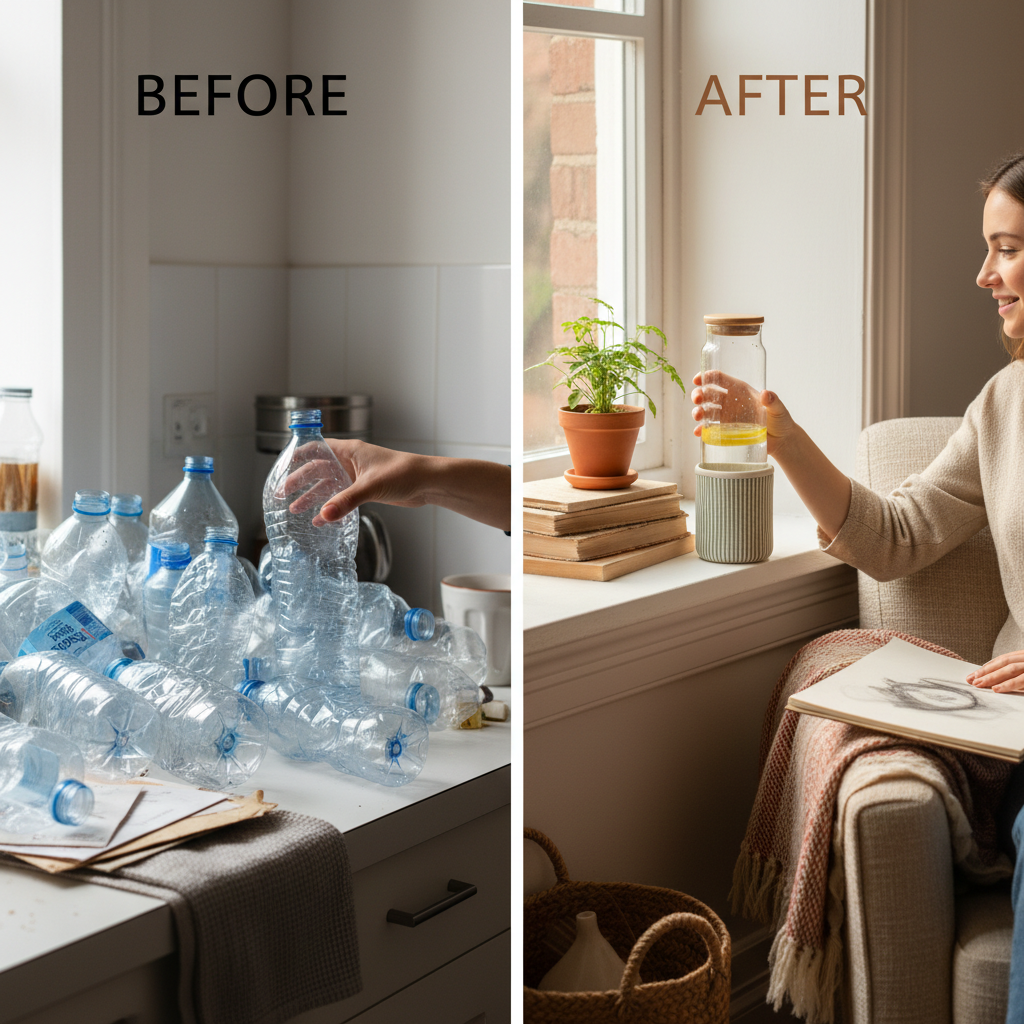
The shift towards reusable glass water bottles isn’t simply a consumer trend; it’s a response to a global plastic crisis. Millions of tons of plastic waste end up in landfills and oceans annually, harming ecosystems and wildlife. Reusable glass bottles present a viable solution by minimizing reliance on disposable plastics and promoting a circular economy. This is becoming increasingly important as international organizations like the UN Sustainable Development Goals emphasize responsible consumption and production.
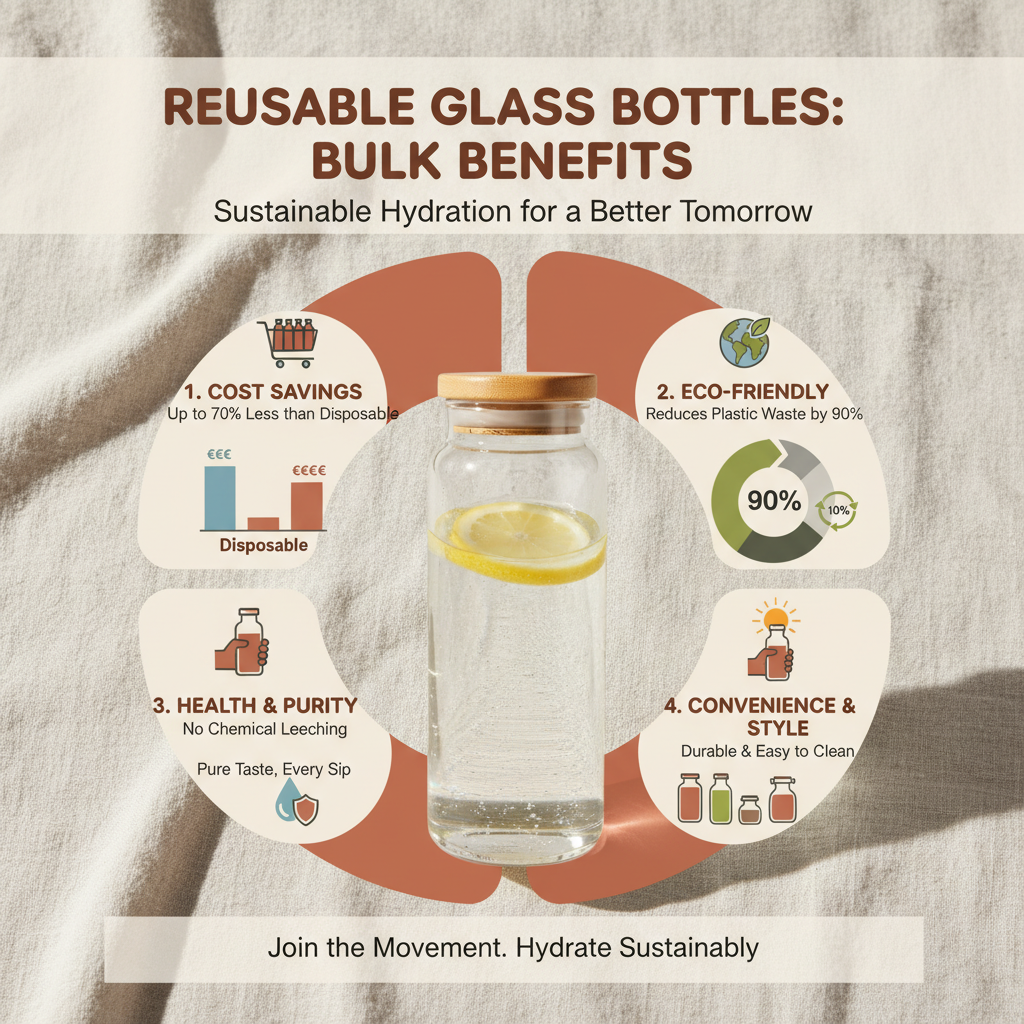
Beyond environmental benefits, reusable glass water bottles offer advantages in terms of health and safety. Unlike some plastics, glass is inert and doesn’t leach harmful chemicals into liquids, ensuring purity and preserving the taste of beverages. This makes them a preferable choice for health-conscious individuals and families, further fueling their rising popularity.
The Rise of Reusable Glass Water Bottles
The increasing popularity of reusable glass water bottles is inextricably linked to a broader cultural shift towards sustainability. Consumers are actively seeking products that align with their environmental values, and glass bottles represent a tangible step towards reducing plastic waste. This trend is particularly pronounced among millennials and Gen Z, who are driving demand for eco-conscious alternatives.
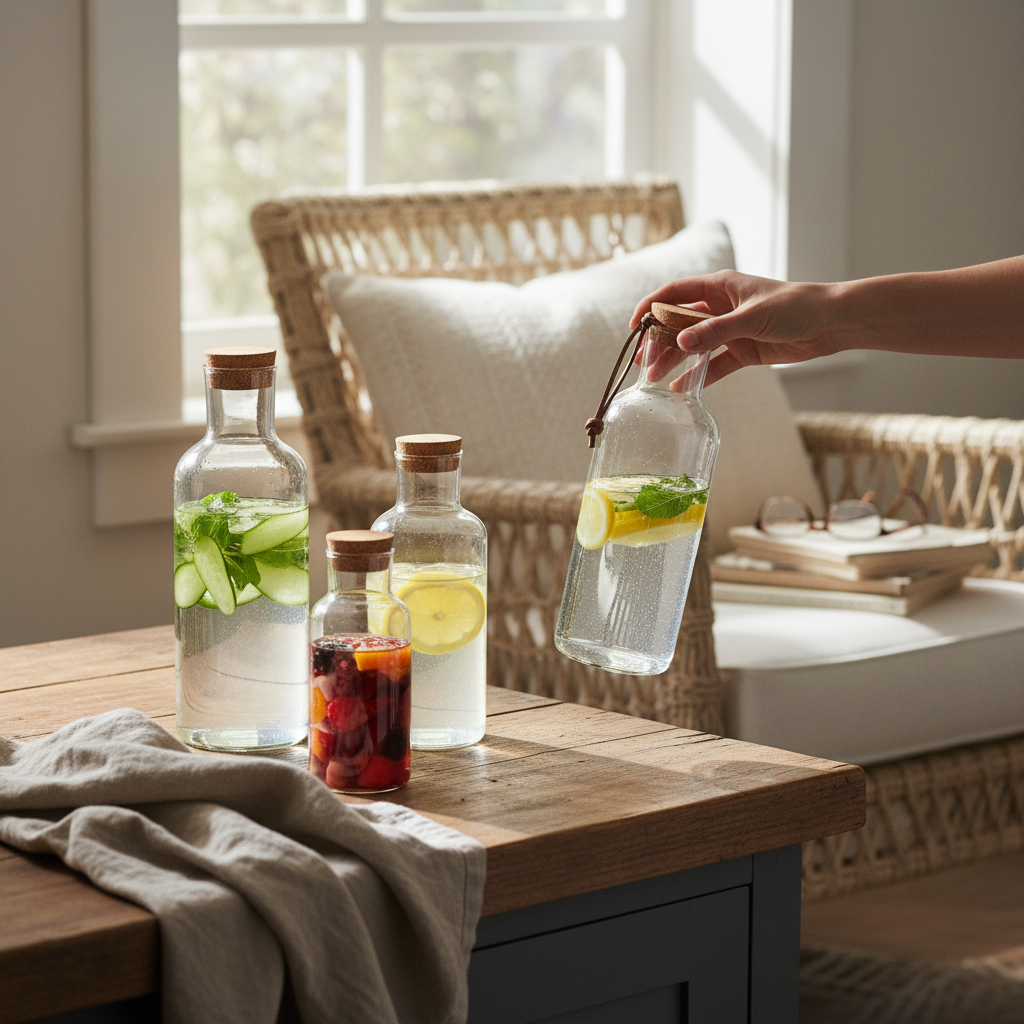
Furthermore, the perception of glass as a premium material contributes to its appeal. Reusable glass water bottles are often viewed as stylish accessories, enhancing the drinking experience and promoting a healthier lifestyle. This aesthetic factor, combined with their functional benefits, makes them an attractive option for a diverse range of consumers.
Defining Reusable Glass Water Bottles
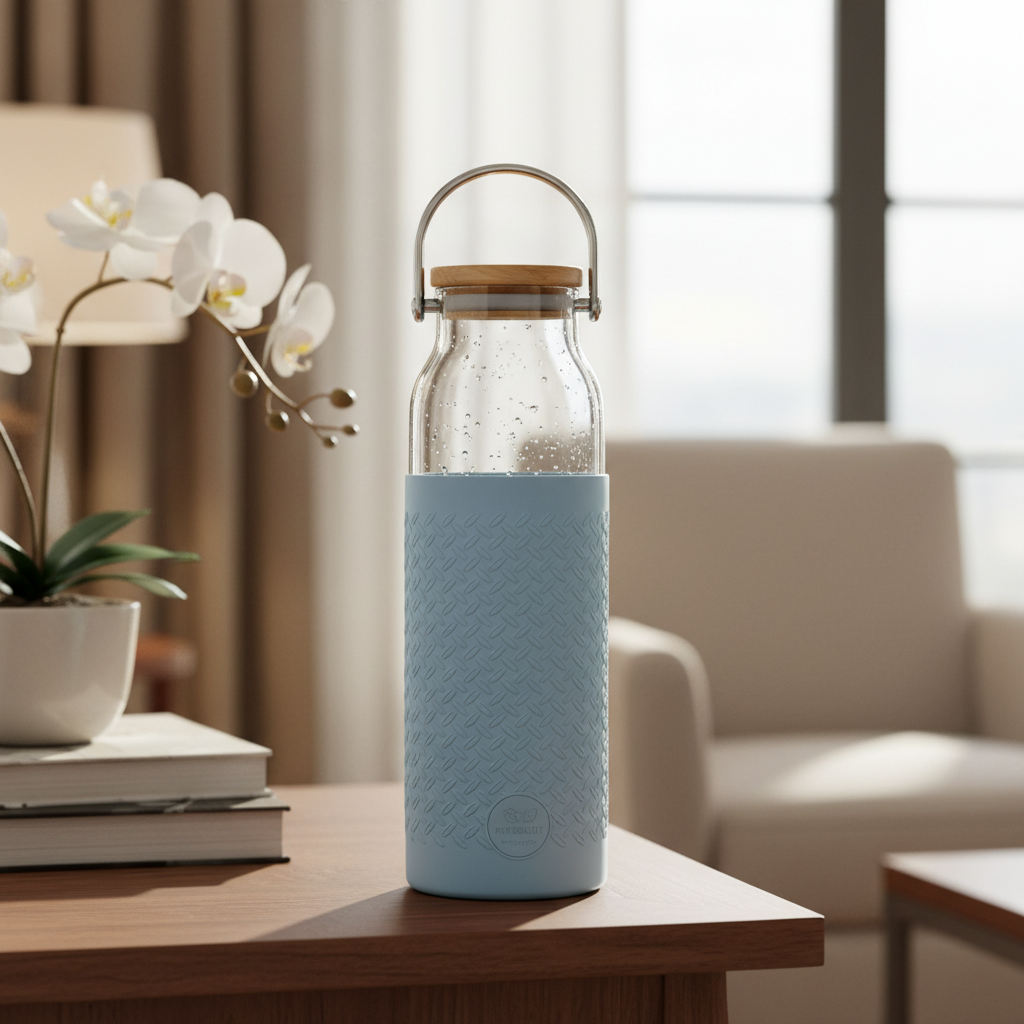
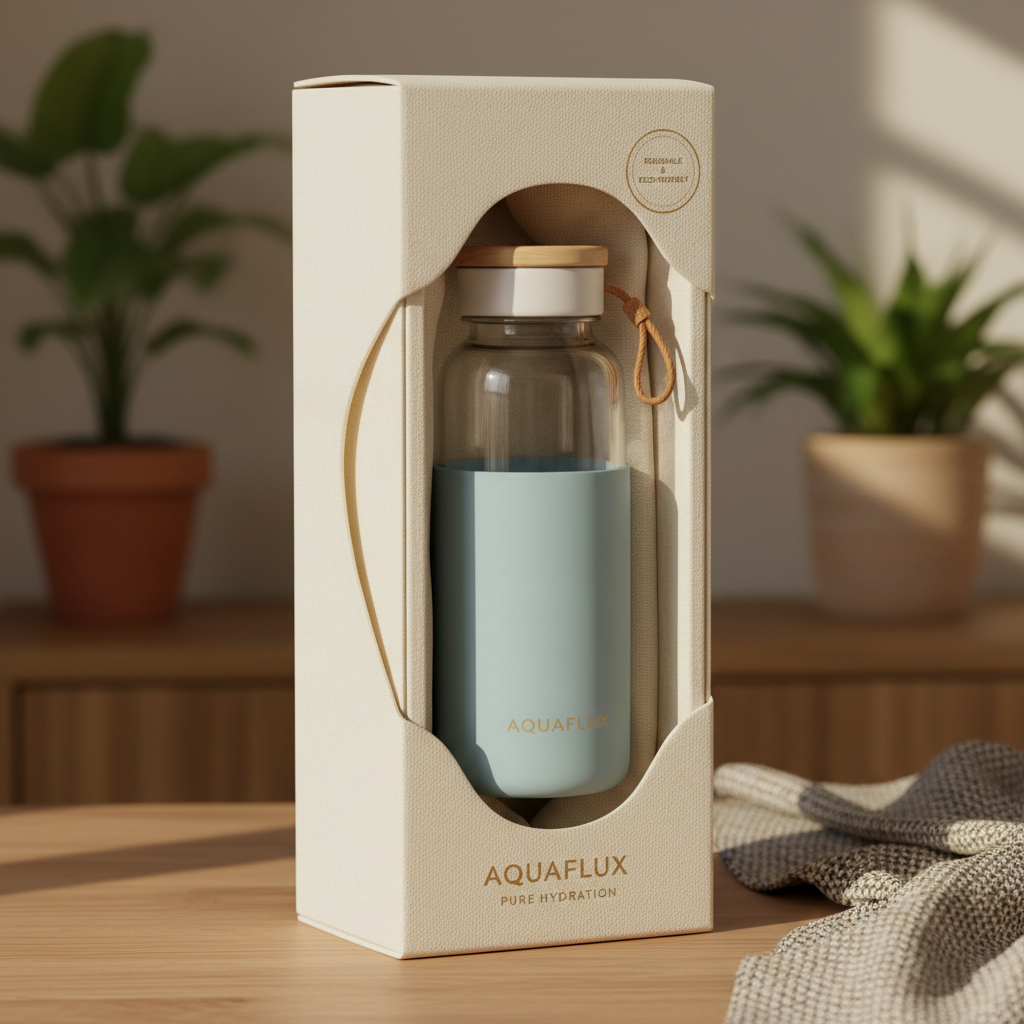
Reusable glass water bottles, at their core, are containers designed for the repeated consumption of liquids, primarily water, constructed from glass materials. They differ fundamentally from single-use plastic bottles in their longevity and environmental impact. These bottles come in a variety of shapes, sizes, and designs, often featuring protective sleeves or carrying loops for added convenience.
Their connection to modern industry lies in the growing demand for sustainable packaging solutions. Manufacturers are under increasing pressure to reduce their reliance on plastic and adopt more environmentally responsible materials. Glass, being recyclable and inert, provides a compelling alternative. The production of reusable glass water bottles supports the circular economy and contributes to a more sustainable supply chain.
From a humanitarian perspective, access to safe and clean drinking water is a fundamental human right. Reusable glass water bottles can play a crucial role in providing a hygienic and reliable means of storing and transporting water, particularly in regions with limited access to potable water sources or adequate sanitation facilities.
Key Characteristics of Quality Glass Bottles
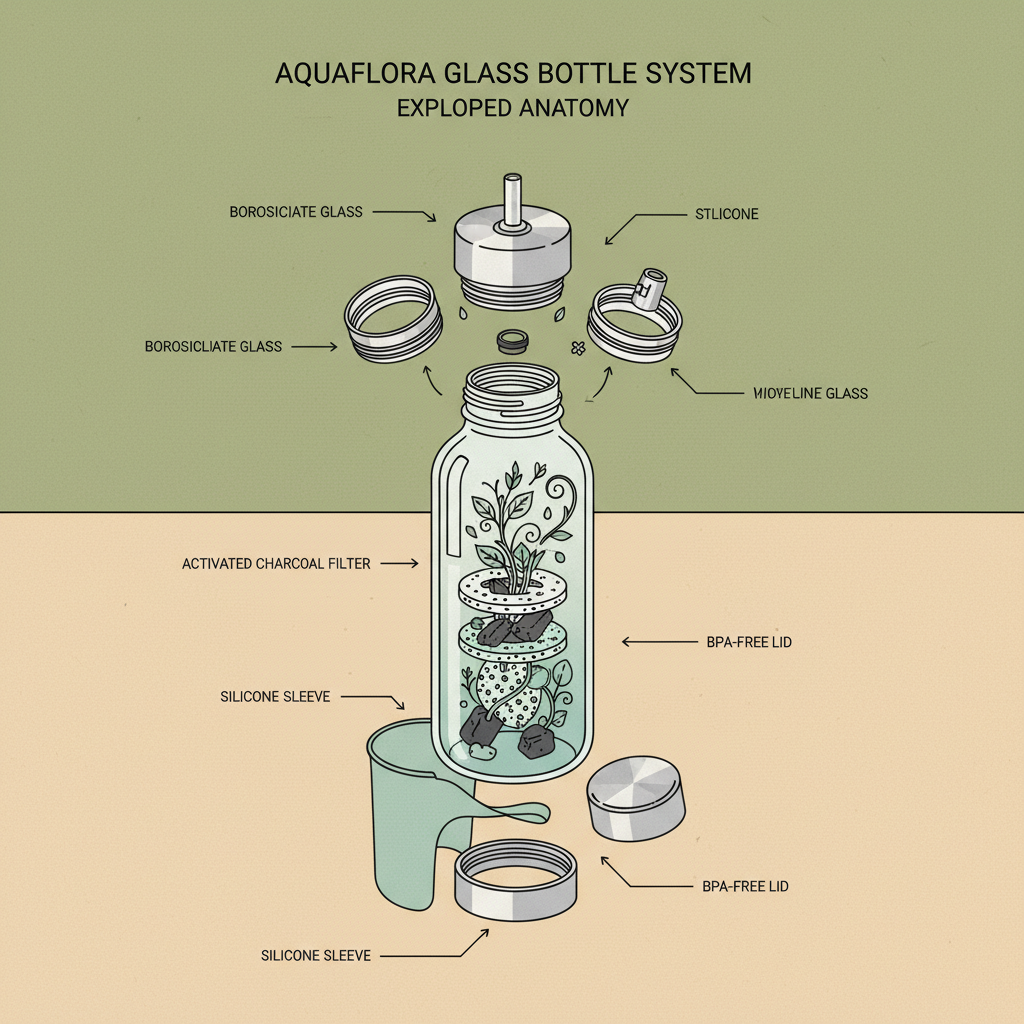
Durability is paramount. High-quality reusable glass water bottles are typically made from borosilicate glass, known for its resistance to thermal shock and breakage. This ensures they can withstand everyday wear and tear without cracking or shattering. Investing in a durable bottle extends its lifespan and reduces the need for frequent replacements.
Purity is another critical factor. Glass is an inert material, meaning it doesn’t react with the liquids it contains, preventing any leaching of harmful chemicals or alteration of taste. This is particularly important for those concerned about the potential health risks associated with plastic bottles. Ensuring the glass is food-grade is essential.
Design features also contribute to quality. A secure, leak-proof lid is crucial for preventing spills and maintaining hygiene. Protective sleeves, often made from silicone or neoprene, offer added impact resistance and provide a comfortable grip. The ease of cleaning is also an important consideration, ensuring the bottle remains sanitary with regular use.
Practical Applications Across Industries
The hospitality industry is increasingly adopting reusable glass water bottles as a sustainable alternative to plastic water bottles for guests. Hotels, restaurants, and cafes are realizing the environmental and cost-saving benefits of switching to reusable options, enhancing their brand image and attracting eco-conscious customers.
In the fitness and wellness sector, reusable glass water bottles are popular among gym-goers and health enthusiasts. The health benefits of glass, coupled with its aesthetic appeal, make it a preferred choice for staying hydrated during workouts and throughout the day. Many fitness studios now offer branded glass bottles for sale to promote their commitment to sustainability.
Comparative Analysis: Reusable Glass Water Bottle Features
Global Adoption and Market Trends
North America and Europe currently represent the largest markets for reusable glass water bottles, driven by strong environmental regulations and consumer awareness. However, demand is rapidly growing in Asia-Pacific, particularly in countries like China and India, as disposable plastic use faces increasing scrutiny.
The market is witnessing a surge in innovation, with manufacturers introducing new designs, materials, and features to cater to evolving consumer preferences. This includes bottles with integrated filters, temperature sensors, and smart hydration tracking capabilities. E-commerce platforms are also playing a significant role in expanding market reach and facilitating online sales.
Advantages and Long-Term Value Proposition
The most significant advantage of reusable glass water bottles is their environmental sustainability. By reducing reliance on single-use plastics, they contribute to a decrease in landfill waste and ocean pollution. This aligns with global efforts to combat climate change and protect ecosystems.
Economically, reusable glass bottles offer long-term cost savings. While the initial investment may be higher than that of plastic bottles, their durability means they last for years, eliminating the need for frequent replacements. This represents a significant cost reduction over time, particularly for individuals and organizations that consume large quantities of water.
Future Innovations in Glass Bottle Technology
Research and development are focused on enhancing the durability and functionality of reusable glass water bottles. This includes exploring new glass compositions with increased resistance to impact and thermal shock. Nanotechnology is also being investigated to create self-cleaning surfaces and improve scratch resistance.
Smart glass bottles equipped with sensors and connectivity features are emerging as a potential trend. These bottles can track hydration levels, monitor water quality, and provide personalized recommendations to users via smartphone apps. This integration of technology promises to further enhance the user experience and promote healthier hydration habits.
Furthermore, advancements in glass recycling technologies are contributing to a more circular economy for glass bottles. Improved sorting and processing methods are increasing the efficiency of glass recycling, reducing energy consumption, and minimizing waste.
Comparison of Reusable Glass Water Bottle Manufacturing Methods
| Manufacturing Method |
Environmental Impact |
Production Cost |
Bottle Durability |
| Blow Molding |
Moderate - Requires energy for heating and molding. |
$2.50 - $4.00 |
7/10 |
| Press Molding |
Low - Less energy intensive than blow molding. |
$3.00 - $5.00 |
8/10 |
| Borosilicate Glass Forming |
Moderate - High temperature requirements. |
$4.00 - $6.00 |
9/10 |
| Hand Blown Glass |
Low - Minimal machinery use. |
$6.00 - $10.00 |
6/10 |
| Automated Glass Production |
Moderate - Requires significant energy input but can be optimized for efficiency. |
$2.00 - $3.50 |
7/10 |
| Recycled Glass Production |
Very Low - Utilizes waste glass, reducing resource consumption. |
$3.50 - $5.50 |
8/10 |
FAQS
Switching to a reusable glass water bottle offers numerous benefits, including reducing plastic waste, avoiding harmful chemicals found in some plastics, enjoying a purer taste, and saving money in the long run. Glass is a sustainable, hygienic, and aesthetically pleasing alternative to disposable plastic bottles. You’re also contributing to a healthier planet by decreasing the demand for plastic production.
While glass is technically more fragile than plastic, high-quality reusable glass water bottles are typically made from durable borosilicate glass, which is resistant to thermal shock and breakage. Many also come with protective silicone sleeves to further enhance their durability. With reasonable care, a glass bottle can last for years without cracking or shattering.
Cleaning a reusable glass water bottle is relatively simple. Regular cleaning with warm, soapy water is usually sufficient. For deeper cleaning, you can use a bottle brush to reach all areas. Occasionally, you can sanitize the bottle by filling it with a solution of vinegar and water or using a specialized bottle cleaning tablet. Avoid abrasive cleaners that could scratch the glass.
Most reusable glass water bottles are dishwasher safe, but it’s always best to check the manufacturer's instructions. If the bottle has any silicone or other non-glass components, it’s recommended to place it on the top rack of the dishwasher. Avoid placing hot glass bottles directly into cold water, as this can cause them to shatter.
Borosilicate glass is a type of glass containing boron trioxide, making it more resistant to thermal shock – meaning it can withstand rapid temperature changes without cracking. This makes it ideal for reusable water bottles as you can fill them with both hot and cold liquids without worry. It's also highly durable and resistant to most chemicals, ensuring your water stays pure and tastes fresh.
High-quality reusable glass water bottles are available from a variety of retailers, including online stores, health food stores, and department stores. Look for bottles made from borosilicate glass and with secure, leak-proof lids. Consider browsing reputable brands known for their commitment to sustainability and product quality. Check out Yinto Glassware for a wide selection!
Conclusion
In conclusion, reusable glass water bottles offer a compelling solution to the global plastic crisis, providing a sustainable, healthy, and aesthetically pleasing alternative to disposable plastic bottles. Their durability, purity, and long-term cost savings make them a smart investment for individuals and organizations alike. By embracing this eco-friendly choice, we can collectively reduce our environmental footprint and contribute to a healthier planet.
Looking ahead, continued innovation in glass bottle technology, coupled with increased consumer awareness and supportive policies, will further drive the adoption of reusable glass water bottles. We encourage you to make the switch and experience the benefits for yourself. Visit our website at www.yintoglassware.com to explore our range of high-quality reusable glass water bottles.
 TEL: +86 18903393212
 Email: tina@yintoglassware.com