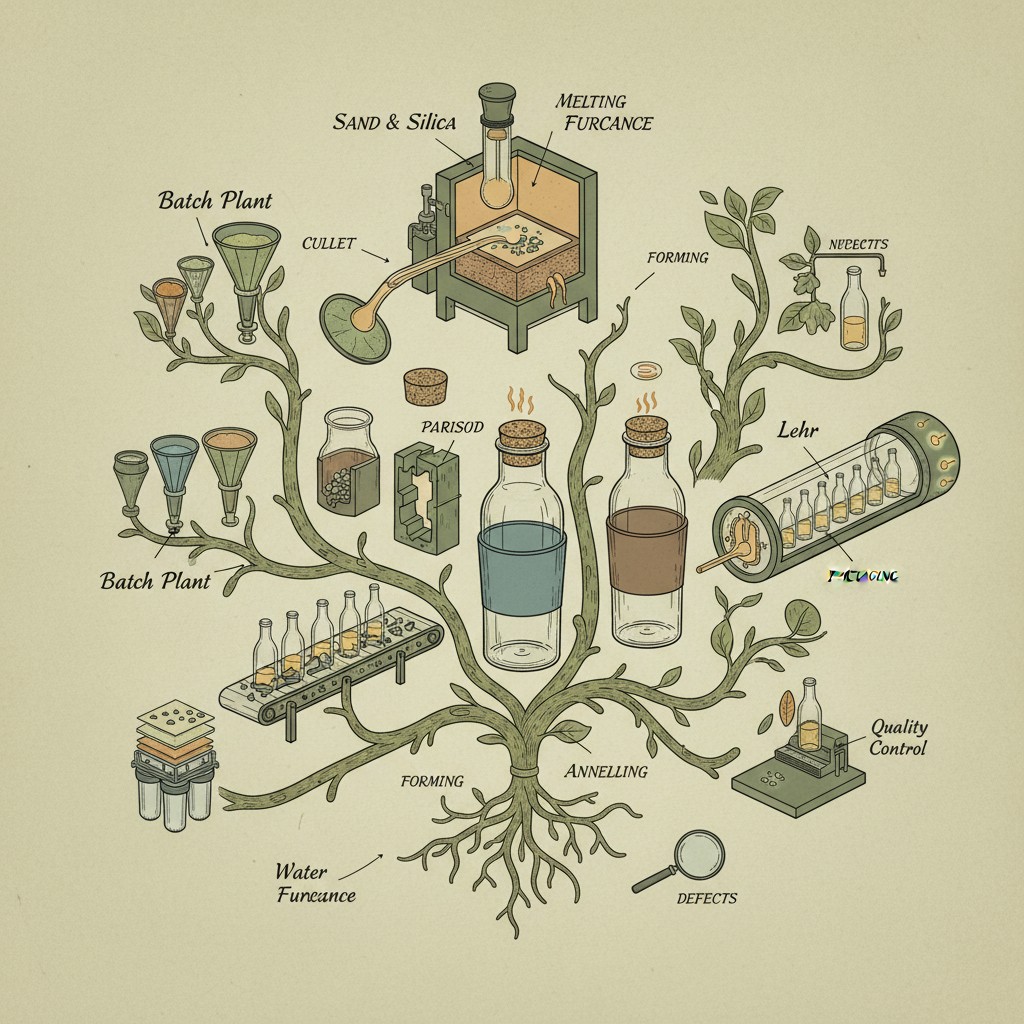
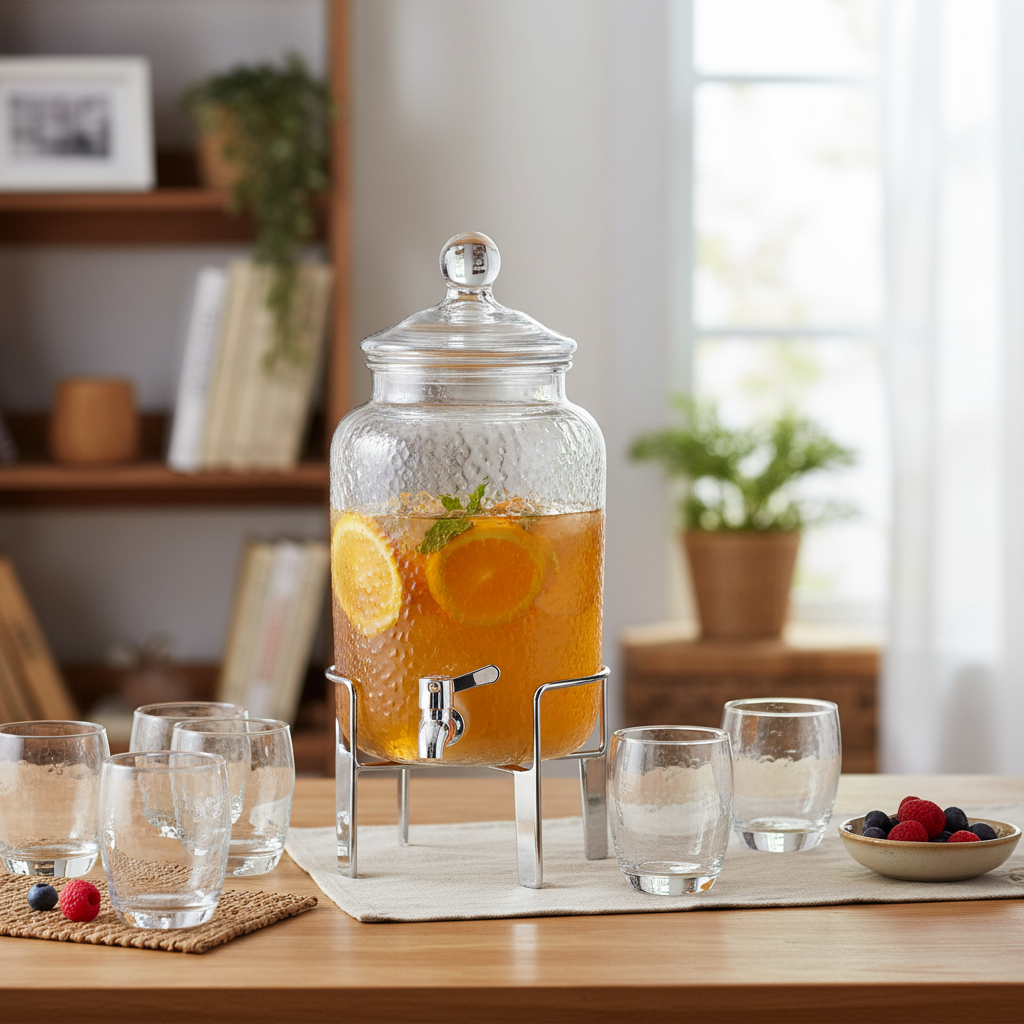
The global demand for safe and reliable water storage solutions is ever-increasing, driven by factors ranging from health concerns to emergency preparedness. A glass gallon water bottle represents a significant advancement in this area, offering a durable, hygienic, and sustainable alternative to traditional plastic containers. Understanding the benefits and applications of this increasingly popular product is crucial for individuals, businesses, and organizations alike.
The rising awareness of the harmful effects of plastic, particularly microplastics leaching into our water supply, has fueled the search for safer alternatives. A glass gallon water bottle directly addresses this concern by providing a non-toxic, taste-neutral storage option. Furthermore, its reusability drastically reduces plastic waste, contributing to a more environmentally responsible lifestyle.
Beyond individual use, the scalability and practicality of a glass gallon water bottle make it a valuable asset in various contexts, from disaster relief operations to large-scale event hydration. This demand signifies a global shift toward prioritizing both personal health and environmental sustainability in water storage solutions.
The Significance of Glass Gallon Water Bottles
The increased awareness of health and environmental issues has made the glass gallon water bottle a particularly relevant product in recent years. Concerns about plastic contamination and waste have driven consumers to seek more sustainable and safe alternatives for storing and transporting water.
The demand is not simply a trend; it represents a fundamental shift in consumer values, prioritizing health, sustainability, and quality. A glass gallon water bottle embodies these values, offering a practical solution that aligns with a growing desire for responsible consumption.
Defining the Glass Gallon Water Bottle
A glass gallon water bottle, at its core, is a container designed to hold one US gallon (approximately 3.785 liters) of liquid, specifically water, constructed from glass. Unlike plastic alternatives, glass is an inert material, meaning it doesn’t leach chemicals into the water it contains, ensuring purity and preserving the natural taste.
This type of container is increasingly popular amongst health-conscious individuals, fitness enthusiasts, and those seeking to reduce their environmental impact. They serve as a reusable and durable alternative to single-use plastic bottles, contributing to a decrease in plastic waste.
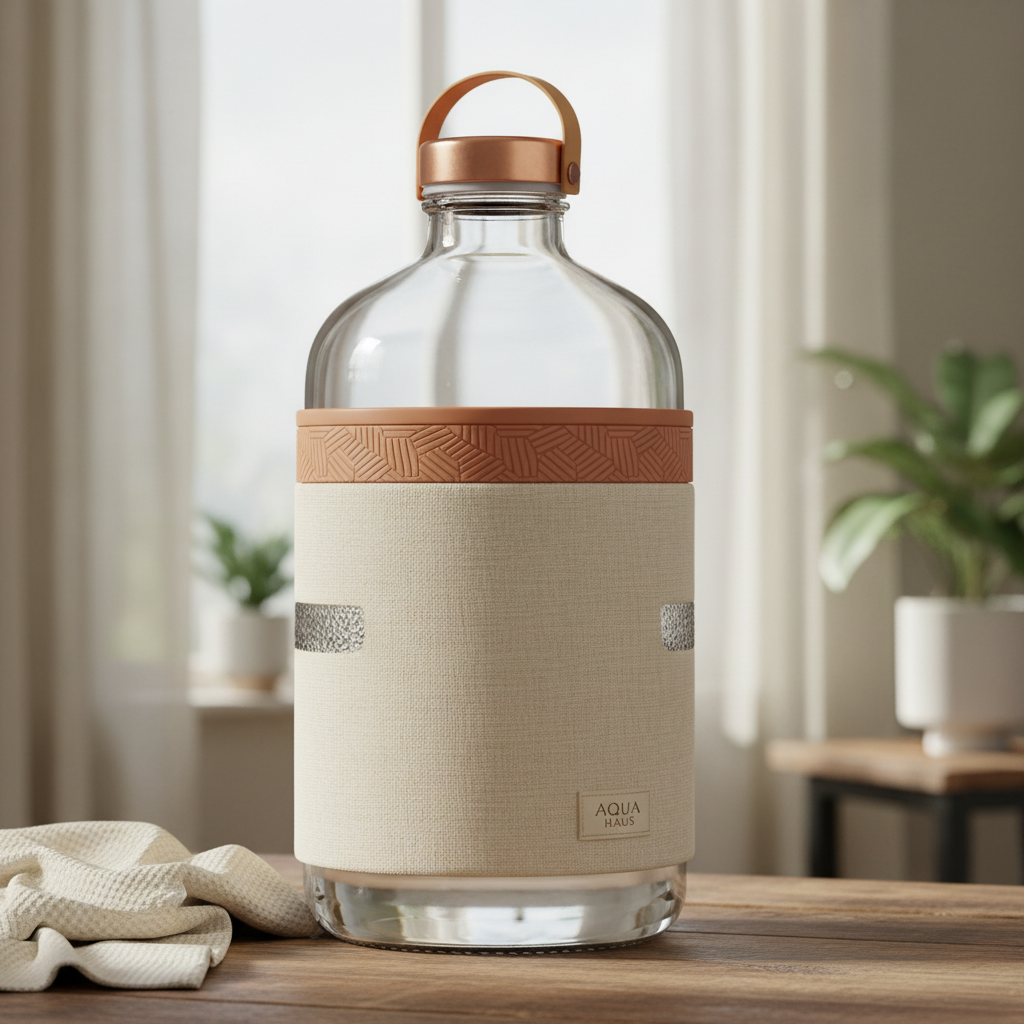
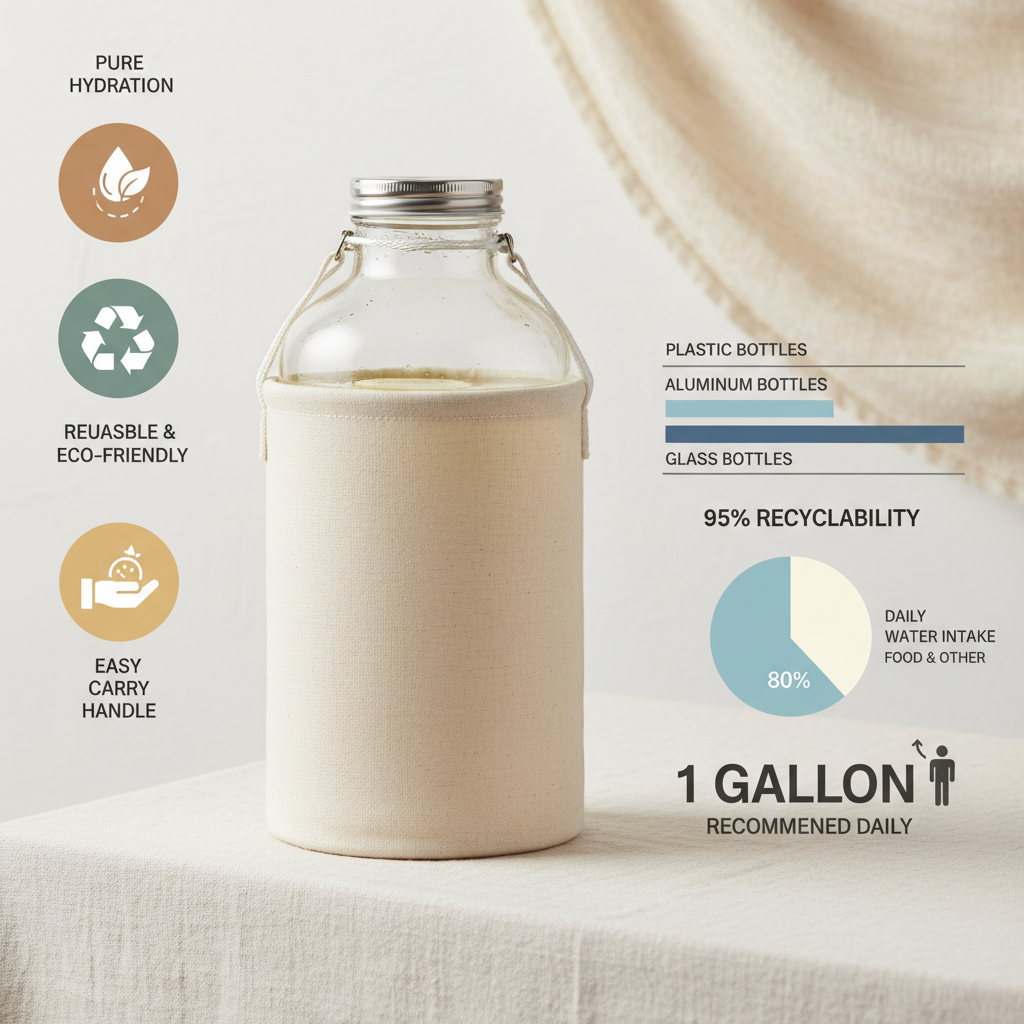
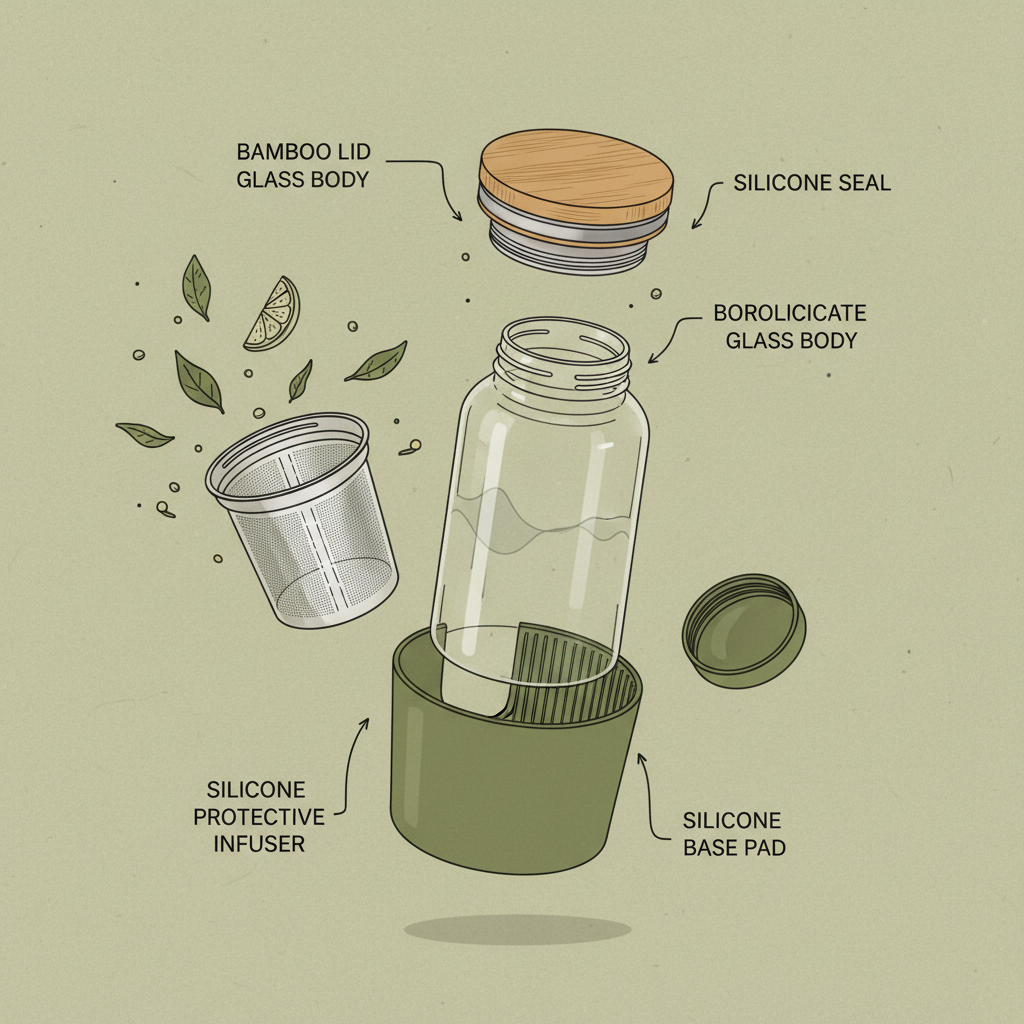
The construction and design of a glass gallon water bottle typically includes features to enhance usability and safety, such as protective sleeves, carry handles, and secure lids to prevent leaks.
Core Characteristics of a Glass Gallon Water Bottle
One of the most significant characteristics of a glass gallon water bottle is its material composition. Glass is inherently non-porous, making it easy to clean and sanitize, preventing the buildup of bacteria or odors that can plague plastic containers.
Another crucial characteristic is its durability. While glass is often perceived as fragile, modern glass gallon water bottles are crafted from borosilicate glass, a stronger and more heat-resistant type of glass, making them less susceptible to breakage compared to standard glass.
Finally, the reusability of these bottles is a defining characteristic. A high-quality glass gallon water bottle can last for years with proper care, significantly reducing the reliance on single-use plastics and contributing to environmental sustainability.
Key Factors Influencing Glass Gallon Water Bottle Performance
The overall performance of a glass gallon water bottle isn’t solely based on the glass itself. Several factors contribute to its longevity, usability, and safety. These include the quality of the glass used, specifically whether it's borosilicate.
The design of the lid and seal is also critical. A leak-proof, secure lid ensures that the water stays contained during transport and prevents spills. Furthermore, the presence of a protective sleeve or handle improves grip and reduces the risk of accidental drops.
Performance Metrics for Glass Gallon Water Bottle Types
Global Applications and Usage Scenarios
Glass gallon water bottles are finding widespread use across diverse sectors globally. In fitness communities, they are favored for their capacity and the assurance of chemical-free hydration during workouts.
In regions where access to clean drinking water is limited, these bottles provide a safe and reusable solution for storing and transporting purified water, contributing to improved public health. Organizations involved in disaster relief frequently incorporate them into emergency supply kits.
Advantages and Long-Term Value Proposition
The primary advantage of a glass gallon water bottle lies in its health benefits. Unlike plastic, glass doesn’t leach harmful chemicals into the water, offering a pure and untainted drinking experience. This promotes overall well-being and reduces exposure to potential toxins.
Beyond health, the long-term cost savings are substantial. Investing in a durable glass gallon water bottle eliminates the continuous expense of purchasing single-use plastic bottles. Environmentally, it reduces plastic waste, supporting a more sustainable lifestyle and reducing your carbon footprint.
The durability and reusability of a glass gallon water bottle also contribute to its long-term value, offering a reliable and eco-friendly hydration solution for years to come.
Future Trends and Innovations in Glass Gallon Water Bottle Technology
Future advancements in glass gallon water bottle technology are focusing on enhanced durability and convenience. Research into new glass compositions, potentially incorporating recycled glass, aims to create even stronger and more sustainable bottles.
We can also anticipate innovations in lid design, such as smart lids with integrated hydration tracking and water quality sensors. The integration of digital technology could provide users with valuable insights into their water consumption and overall health.
Furthermore, advancements in protective sleeves and carrying mechanisms will continue to improve usability and portability, making glass gallon water bottles even more appealing to a wider audience.
Challenges and Solutions
Despite their numerous benefits, glass gallon water bottles face certain challenges. The perceived fragility of glass is a primary concern for many consumers.
However, the use of borosilicate glass and the incorporation of protective sleeves significantly mitigate this risk. Another challenge is the weight of the bottles when filled, making them less convenient for long-distance carrying. Solutions include ergonomic handle designs and lighter-weight glass formulations.
Finally, cost can be a barrier for some consumers. Increased production and economies of scale, coupled with growing consumer demand, are expected to drive down prices and make glass gallon water bottles more accessible.
Summary of Challenges and Proposed Solutions
| Challenge |
Impact Level (1-5) |
Proposed Solution |
Implementation Cost (1-5) |
| Perceived Fragility |
4 |
Use Borosilicate Glass & Protective Sleeves |
2 |
| Weight When Full |
3 |
Ergonomic Handle Designs & Lighter Glass |
3 |
| Initial Cost |
3 |
Economies of Scale & Increased Production |
1 |
| Potential for Breakage in Transit |
2 |
Improved Packaging & Shipping Protocols |
2 |
| Consumer Awareness |
2 |
Targeted Marketing & Educational Campaigns |
3 |
| Cleaning Accessibility |
1 |
Wide Mouth Designs & Dishwasher Safe Materials |
1 |
FAQS
Glass is an inert material, meaning it doesn't leach chemicals like BPA, phthalates, or microplastics into your water, unlike many plastics. This ensures purer, healthier hydration and avoids potential hormone disruption or other health concerns associated with plastic exposure. Using a glass gallon water bottle safeguards the natural taste of water and promotes well-being.
Modern glass gallon water bottles are often made from borosilicate glass, which is much stronger and more heat-resistant than standard glass. Coupled with protective silicone sleeves, they can withstand everyday bumps and drops. While not indestructible, they are surprisingly durable when properly cared for.
Most glass gallon water bottles are dishwasher safe, but it’s always best to check the manufacturer’s instructions. Handwashing with warm, soapy water and a bottle brush is also effective. For stubborn stains or odors, a mixture of baking soda and water can be used.
Yes, absolutely! A glass gallon water bottle significantly reduces plastic waste compared to constantly buying disposable plastic bottles. Glass is also recyclable, and many manufacturers are increasingly using recycled glass in their production process, further enhancing its sustainability.
The main drawback is the weight of the bottle when full. They are heavier than plastic alternatives. Also, while durable, they can break if dropped on a hard surface. However, these are often offset by the health and environmental benefits.
Look for bottles made from borosilicate glass, a secure and leak-proof lid, and a protective sleeve for added durability. Consider features like a wide mouth for easy cleaning and filling, and a carry handle for convenience. Check customer reviews to gauge the quality and reliability of the product.
Conclusion
In conclusion, the glass gallon water bottle represents a significant step towards healthier hydration and a more sustainable lifestyle. Its numerous benefits—from the elimination of harmful chemicals to the reduction of plastic waste—make it a compelling alternative to traditional plastic containers. By prioritizing quality, durability, and environmental responsibility, consumers can make a conscious choice that benefits both their well-being and the planet.
Looking ahead, continued innovation in glass technology and design promises to further enhance the functionality and appeal of these bottles. As awareness grows and demand increases, glass gallon water bottles are poised to become a cornerstone of sustainable hydration practices globally. Visit our website at www.yintoglassware.com to explore our range of high-quality glass gallon water bottles.
 TEL: +86 18903393212
 Email: tina@yintoglassware.com