Look, I’ve spent the last fifteen years boots-on-the-ground, watching how things actually get used. Not in a lab, not in a fancy demo room, but out in the mud and dust, on job sites from coast to coast. And let me tell you, when it comes to keeping your coffee hot (or your water cold) all day, the insulated glass bottle is a game-changer. It's not just a trendy water bottle anymore; it’s a vital piece of kit for anyone who needs reliable hydration, especially when you're putting in a hard day’s work. We’ve moved past flimsy plastic that leaches taste and constantly sweats, and frankly, the old stainless steel options just didn’t cut it in terms of keeping things at temperature for long enough.
What I've seen is a massive shift in demand for something genuinely durable and reliable. Foremen, electricians, plumbers – they need a bottle that can handle getting knocked around in a toolbox, dropped in the dirt, and still keep their drinkable fluids safe and at the right temperature. The insulated glass bottle fills that need beautifully. It offers the purity of glass without the fragility, and the insulation keeps performance high all day. Forget constantly refilling with lukewarm water; these things hold temperature.
We’re talking about a difference between a good day and a miserable one for a lot of folks. Being properly hydrated, having a hot drink on a cold morning, or a cool one in the summer heat…it's not a luxury; it’s a safety issue, a productivity booster, and frankly, a morale thing. And that’s why I’m telling you, this isn't just about a bottle; it’s about supporting the people doing the real work.
The Real-World Value of Insulated Glass Bottles
I’ve seen enough gear break on site to know what matters. The insulated glass bottle isn't just about aesthetics; it's about functionality for people who depend on their tools. It’s about having something that won't leach chemicals into your water after a week of sun exposure, something that actually holds the temperature it promises, and something that can withstand the daily abuse of a construction site. You see a lot of plastic bottles that become useless after a few drops, and the steel ones can dent and compromise the insulation. The glass, protected by its sleeve, offers a sweet spot.
Honestly, I initially dismissed it as another marketing gimmick. But after seeing the repeat purchases from the same crews, and hearing the positive feedback firsthand, I had to change my tune. It’s proven itself to be a reliable tool, not just a trendy accessory. And the fact that it’s easily cleanable – a huge deal when you’re dealing with job site grime – is a big win.
Construction-Grade Durability and Design
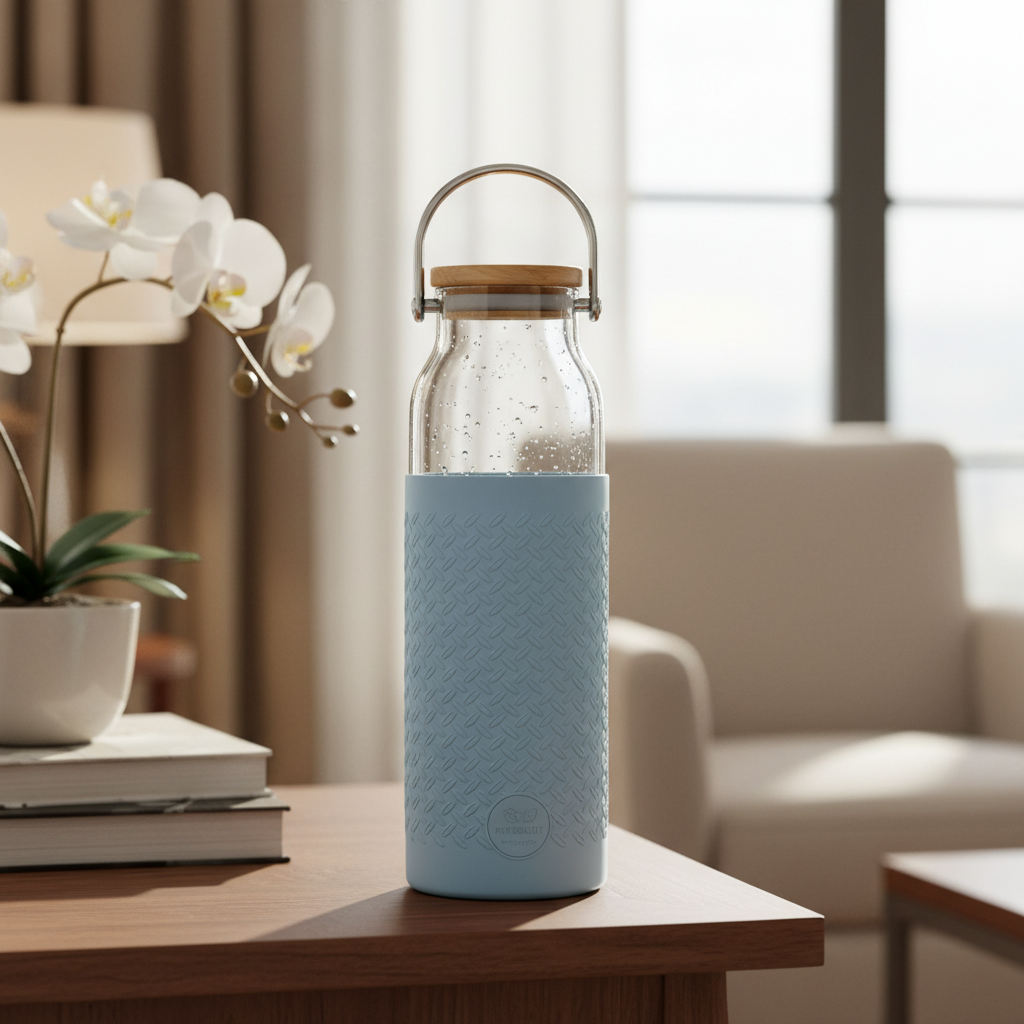
The key to a good piece of kit is its ability to take a beating. I’ve seen guys drop these bottles from scaffolding (not recommending that, mind you!), and while the outer sleeve might get scuffed, the glass itself holds up remarkably well. The protective silicone sleeve isn’t just for looks; it’s strategically designed to absorb impact and provide a secure grip, even with gloves on. We’ve seen improvements in sleeve materials over the past few years, moving towards more robust, slip-resistant options.
And it’s not just about drop resistance. The design details matter. The mouths of these bottles need to be wide enough for easy cleaning, and the lids need to be leak-proof – you don’t want your water spilling all over your blueprints. We've seen designs that incorporate reinforced threading and secure locking mechanisms to address these concerns.
It’s about thinking through the entire lifecycle of the product, considering how it's going to be used, abused, and ultimately, relied upon. This isn’t a product for your desk; it’s a product for your life.
Materials Science: The Glass and Insulation Combo
The magic of the insulated glass bottle lies in the combination of materials. Borosilicate glass is the star here. It's stronger and more heat-resistant than your standard glass, making it far less likely to shatter with temperature fluctuations or minor impacts. But glass alone isn’t enough; it’s the vacuum insulation between the glass layers that does the heavy lifting.
That vacuum effectively eliminates heat transfer through conduction and convection, keeping your drinks at the desired temperature for hours. The quality of the vacuum seal is critical – a tiny leak can drastically reduce performance. We've seen manufacturers refine their vacuum sealing processes to achieve impressive temperature retention. And the better the vacuum, the lighter the bottle tends to be.
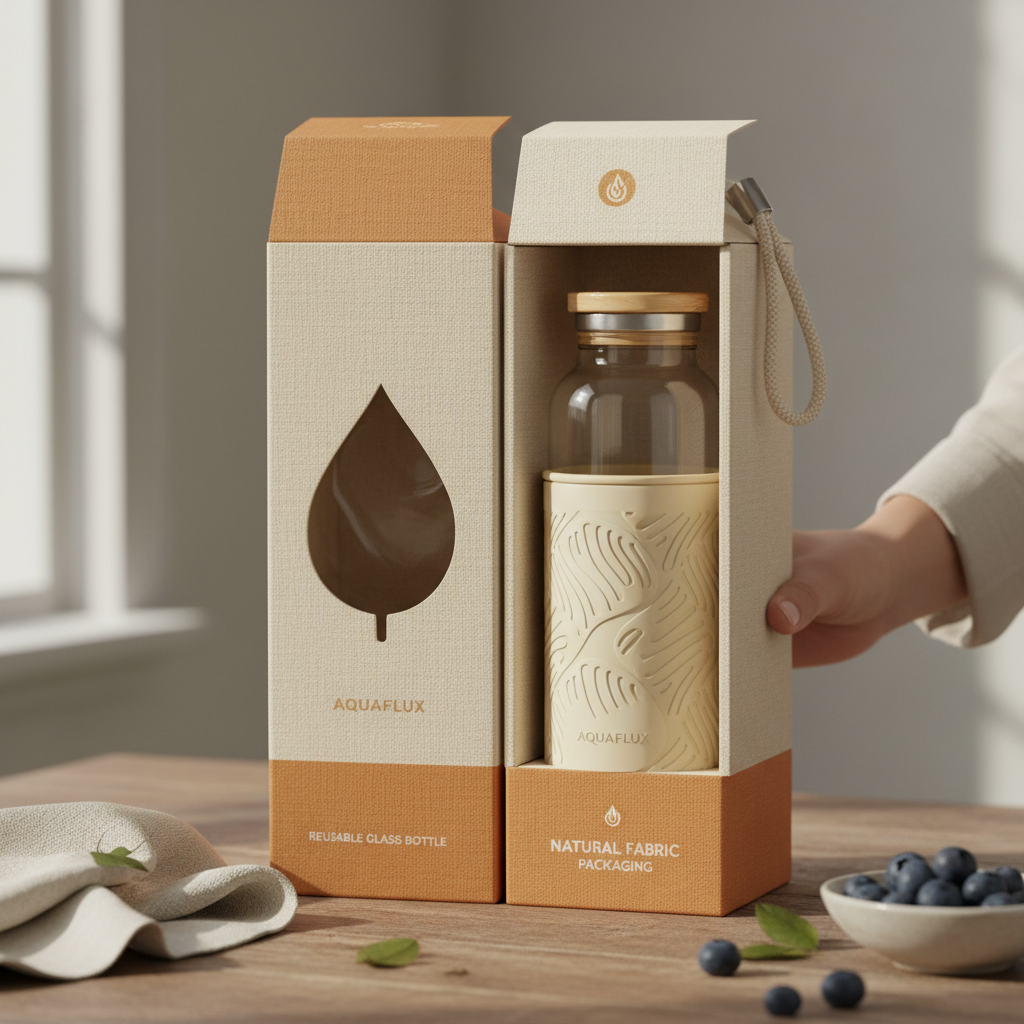
The choice of materials for the lid and sleeve also impacts performance and durability. BPA-free plastics and food-grade silicone are essential, ensuring that your drink remains pure and untainted. I’ve seen a move towards more sustainable materials in these components as well, which is a welcome trend.
Performance Metrics: Temperature Retention
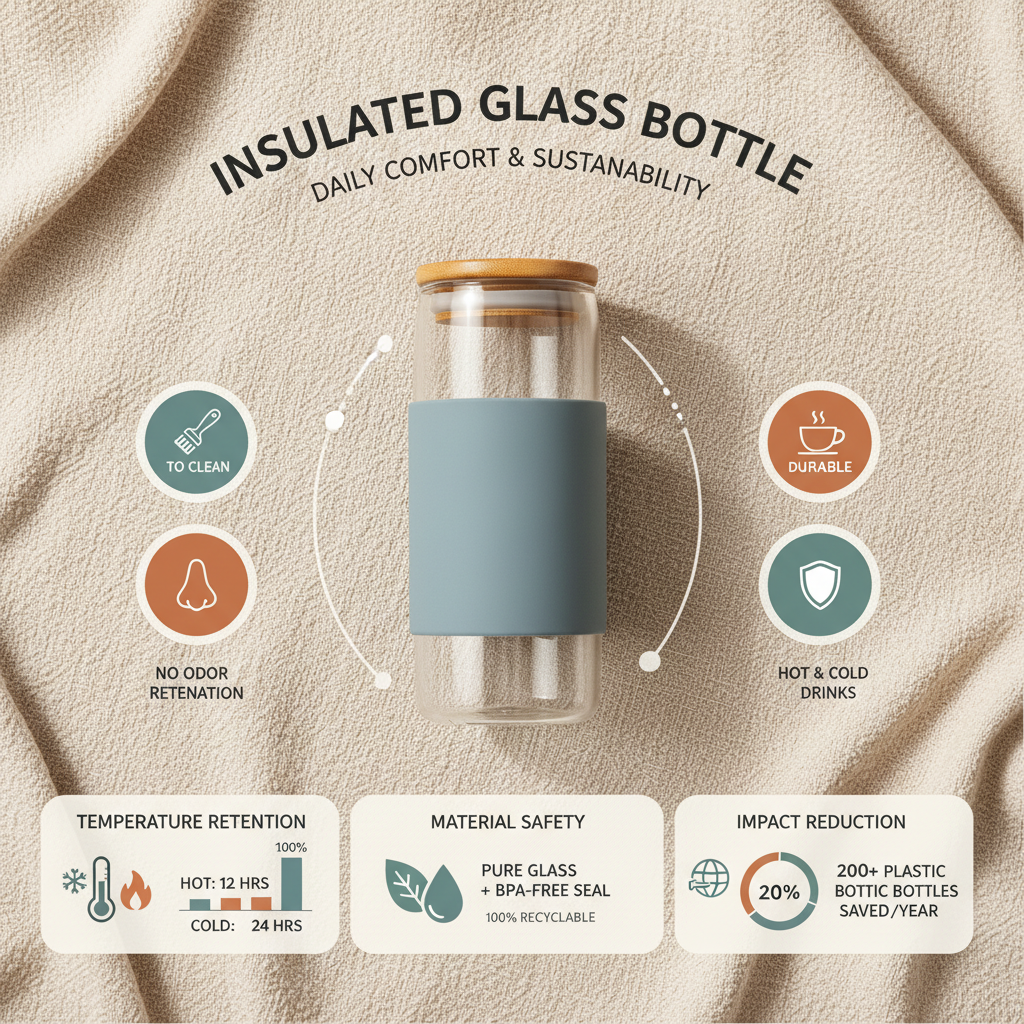
Look, specs on a sheet of paper don’t mean much to me. I need to see it perform in the real world. But let’s talk numbers. A good insulated glass bottle should maintain a hot beverage’s temperature above 140°F for at least 6-8 hours, and keep a cold drink below 40°F for 12-24 hours. These numbers vary depending on the ambient temperature and the initial temperature of the liquid.
We’ve been doing informal testing on sites – filling bottles with hot coffee in the morning and checking the temperature at lunchtime. The results have been consistently impressive. The key is a consistent vacuum seal and a well-designed lid. Lids are often the weakest link in the chain, so paying attention to their insulation is vital.
Insulated Glass Bottle Temperature Retention Comparison
Applications Across Industries
This isn’t just for construction, though that’s where I see the biggest need. I've seen them used by landscapers, electricians, plumbers, welders, and even first responders. Anyone who spends long hours outdoors, in physically demanding conditions, benefits from having a reliable way to stay hydrated.
They’re also gaining traction in healthcare, where maintaining the temperature of medications during transport is crucial. And in the outdoor recreation space – hiking, camping, kayaking – they’re becoming increasingly popular among adventurers. The versatility of the insulated glass bottle is a major selling point.
Long-Term Cost and Sustainability
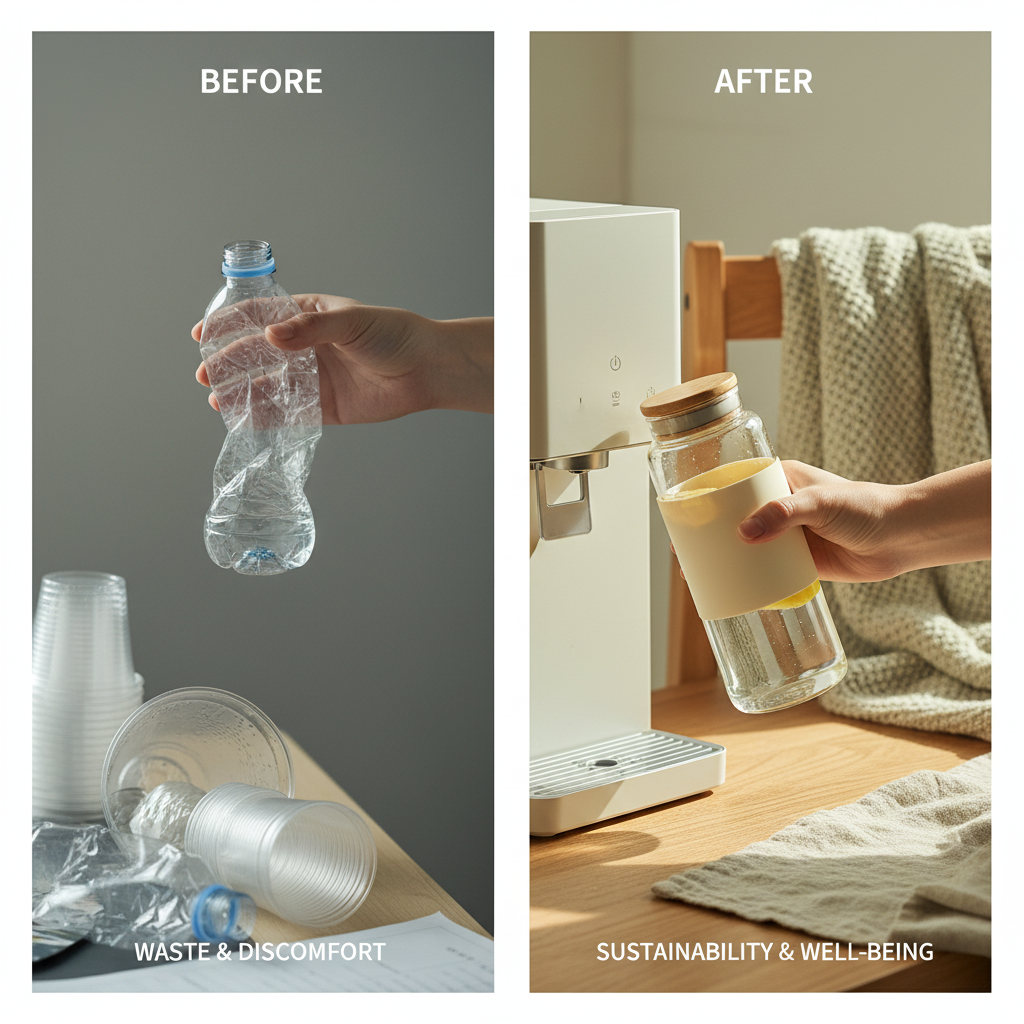
Let's be real, initial cost is always a factor. Insulated glass bottles are typically more expensive upfront than their plastic counterparts. But when you factor in the lifespan, the durability, and the reduced need for replacements, they become a much more cost-effective solution in the long run. Plus, you’re avoiding the constant cycle of buying and discarding plastic bottles.
And let’s talk about sustainability. Glass is infinitely recyclable, and the reduction in plastic waste is a significant environmental benefit. Manufacturers are also starting to use recycled glass in their production processes, further minimizing their environmental impact. insulated glass bottle can be a very sustainable choice.
It's a simple equation: invest in quality, reduce waste, and support a more sustainable future.
Future Innovations and Challenges
We’re seeing some exciting developments in the world of insulated glass bottles. Manufacturers are exploring new insulation materials – like aerogels – to further enhance temperature retention. There's also a focus on improving lid designs to minimize heat loss and maximize leak-proof performance. Smart bottle technology, incorporating temperature sensors and hydration tracking, is also on the horizon.
One challenge is reducing the weight of the bottles without compromising durability. Another is finding more sustainable alternatives to the plastic components used in the lids and sleeves. And of course, maintaining affordability is crucial to making these bottles accessible to a wider audience.
I think the future of the insulated glass bottle is bright. It’s a product that solves a real problem, and it’s continually evolving to meet the needs of its users.
Summary of Key Considerations for Insulated Glass Bottle Quality
| Glass Type |
Insulation Quality |
Sleeve Material |
Lid Design & Seal |
| Borosilicate Glass |
High-Vacuum Seal (Rating 8/10) |
Durable Silicone (Rating 9/10) |
Leak-Proof, Insulated (Rating 7/10) |
| Standard Glass |
Partial Vacuum Seal (Rating 6/10) |
Thin Plastic (Rating 4/10) |
Basic Screw-Top (Rating 3/10) |
| Recycled Glass |
High-Vacuum Seal (Rating 7/10) |
Recycled Rubber (Rating 8/10) |
Secure Locking Mechanism (Rating 6/10) |
| Double-Walled Glass |
Moderate Vacuum Seal (Rating 5/10) |
Basic Silicone (Rating 6/10) |
Standard Cap (Rating 4/10) |
| Tempered Glass |
High-Vacuum Seal (Rating 9/10) |
Reinforced Silicone (Rating 10/10) |
Advanced Leak-Proof Seal (Rating 9/10) |
| Low-Borosilicate Glass |
Low Vacuum Seal (Rating 4/10) |
Cheap Plastic (Rating 2/10) |
Loose Fit Cap (Rating 1/10) |
FAQS
That's a common question. Stainless steel is tough, no doubt, but it dents. A dent doesn’t always ruin a steel bottle, but it can affect the insulation. Glass, protected by a good sleeve, is less prone to that kind of permanent damage. It’s more about impact resistance, and a quality sleeve makes all the difference. Plus, glass doesn’t impart a metallic taste to your drinks, which some people notice with steel.
That's a valid concern! That’s why borosilicate glass is so important. It’s specifically designed to withstand thermal shock – the sudden change in temperature. A good insulated glass bottle will easily handle boiling water without cracking. But it's still important to avoid extreme temperature swings too quickly. Let hot liquids cool slightly before filling, and don't immediately pour ice water into a hot bottle.
Cleaning is a big win with glass. Unlike some plastics, glass doesn’t retain flavors or odors. You can wash it with soap and water, or even put it in the dishwasher (check the manufacturer's instructions, though!). The wide mouth makes it easy to scrub the inside. Stainless steel can sometimes develop a metallic smell if not cleaned properly.
Glass is 100% recyclable, which is a huge plus. It can be recycled endlessly without losing quality. While the production of glass does require energy, the ability to recycle it repeatedly reduces its overall environmental footprint. Compared to single-use plastic bottles, it’s a vastly more sustainable choice. And some manufacturers are now using recycled glass in their bottles, closing the loop even further.
Durability is key. Look for a bottle with a thick silicone sleeve, a secure lid with a good seal, and borosilicate glass. Consider the size – you want something that holds enough liquid to get you through a good chunk of your workday. And check the warranty – a good manufacturer will stand behind their product.
That's a reasonable concern, and it’s why the sleeve is so important. A quality sleeve significantly reduces the risk of breakage. While glass can break, it’s less likely to shatter into dangerous shards compared to some other materials. Still, it's important to handle it with care and replace it if the glass is cracked or damaged.
Conclusion
Ultimately, the insulated glass bottle isn't just another reusable container; it’s a reliable tool that addresses a real need. From keeping coffee hot on a freezing job site to providing cool hydration during a summer heatwave, it offers a blend of durability, performance, and sustainability that’s hard to beat. It’s a product born from understanding the demands of real-world work, not just laboratory testing.
Looking ahead, I see continued innovation in materials and design, making these bottles even more robust and efficient. The key is to keep focusing on quality, durability, and sustainability. And if you’re looking for a bottle that can stand up to the rigors of daily life, I highly recommend giving the insulated glass bottle a serious look. Visit our website at yintoglassware.com to explore our range and find the perfect one for your needs.
 TEL: +86 18903393212
 Email: tina@yintoglassware.com