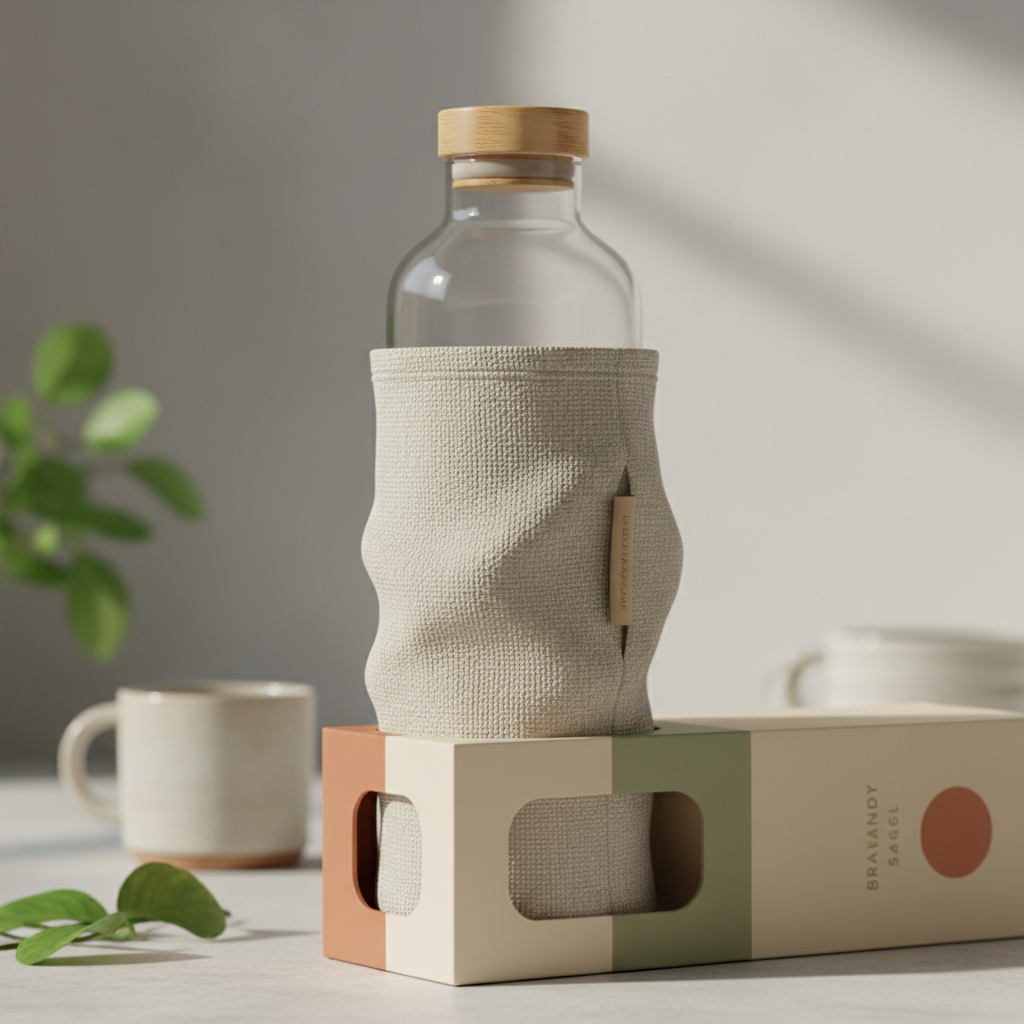
Look, I’ve spent the last fifteen years knee-deep in dust and concrete, watching things get built. And one thing I've learned is that keeping a crew hydrated isn’t just about being a good boss, it’s about productivity and safety. That’s where a good glass water bottle with sleeve comes in. It’s not just a container for water; it's a piece of kit that can make or break a day on site. It needs to be tough enough to handle the abuse, keep drinks cold, and, frankly, look good enough that people want to use it. We’ve tested hundreds, and seen what works and what doesn’t.
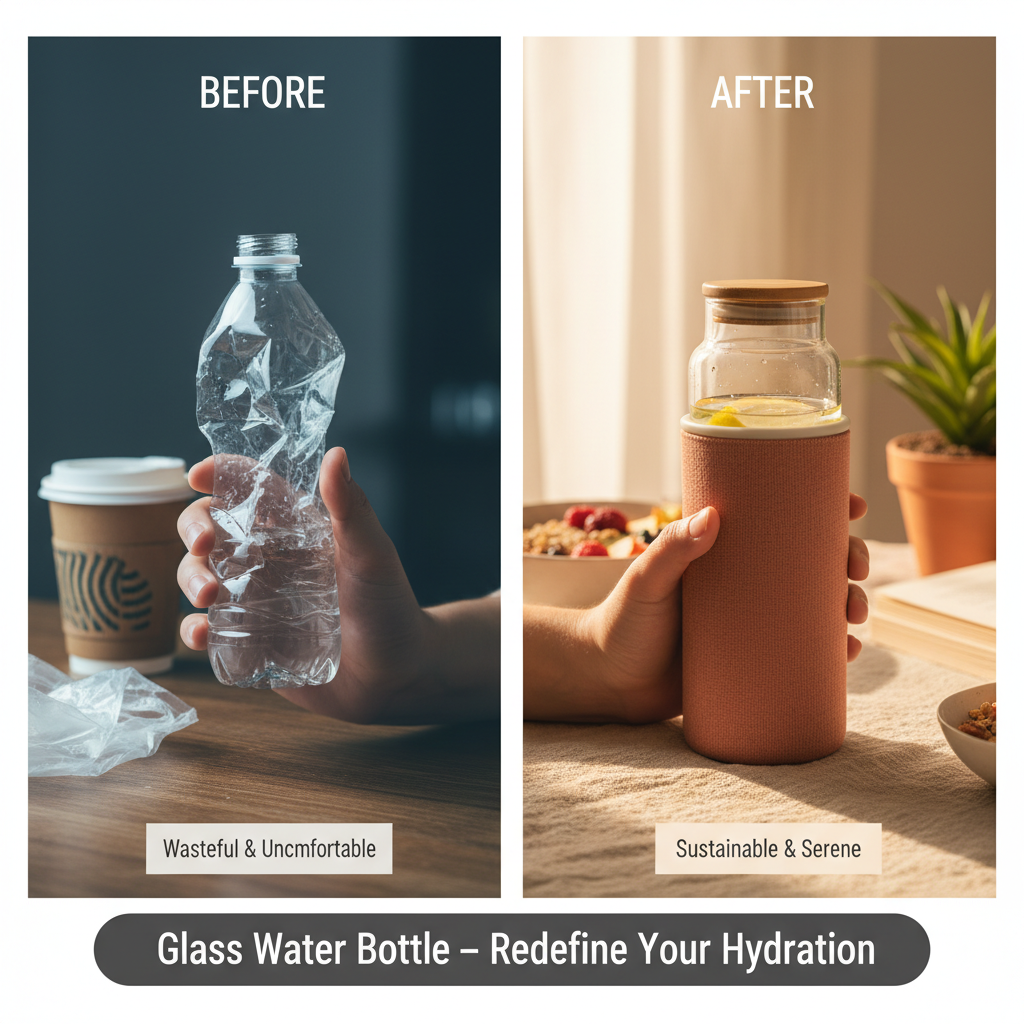
Too often, you see guys using plastic bottles that end up crushed, leaking, or just plain forgotten in the heat. They’re bad for the environment, and honestly, they don't hold up. Switching to a glass water bottle with sleeve offers a solid alternative – durability without the plastic waste. We're seeing a big shift towards sustainable practices on projects, and this is an easy win.
It’s about more than just ‘being green’ though. Having a reliable, reusable bottle encourages better hydration habits, which leads to fewer mistakes, less fatigue, and a safer work environment overall. I’ve seen firsthand how a well-hydrated crew performs significantly better, especially during those long, hot summer days.
The Importance of a Durable Glass Water Bottle with Sleeve
On a construction site, everything gets banged around. A glass water bottle with sleeve isn’t a luxury; it’s a necessity that can withstand the daily grind. The sleeve adds a critical layer of protection, preventing cracks and breaks that you’d inevitably get with bare glass. I've seen too many glass bottles shatter when dropped on concrete, and that’s a hazard nobody needs.
But durability isn’t the only factor. The bottle needs to be comfortable to hold, easy to clean, and have a secure lid. We’ve tested bottles with flimsy caps that leak, and bottles that are awkward to grip with gloved hands. It all comes down to practical, everyday usability.
Understanding Glass Water Bottle with Sleeve Construction
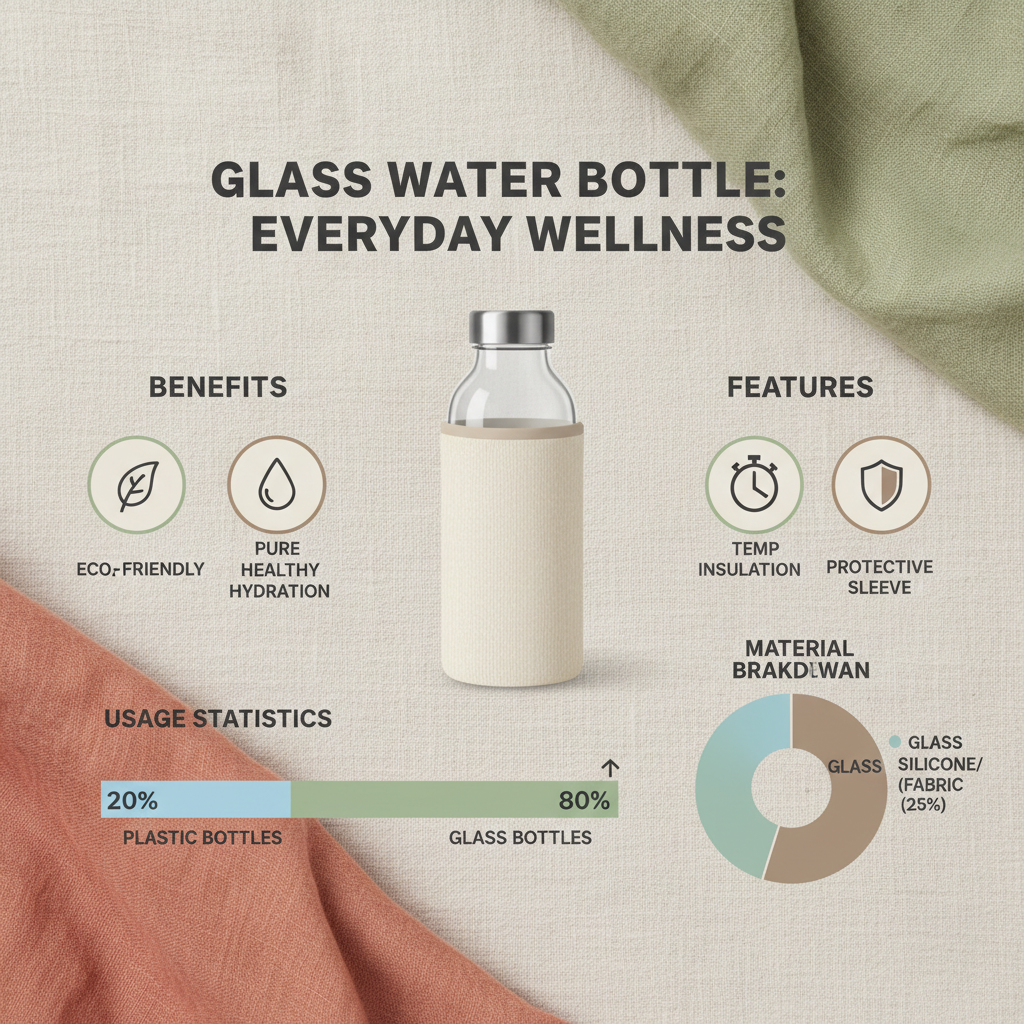
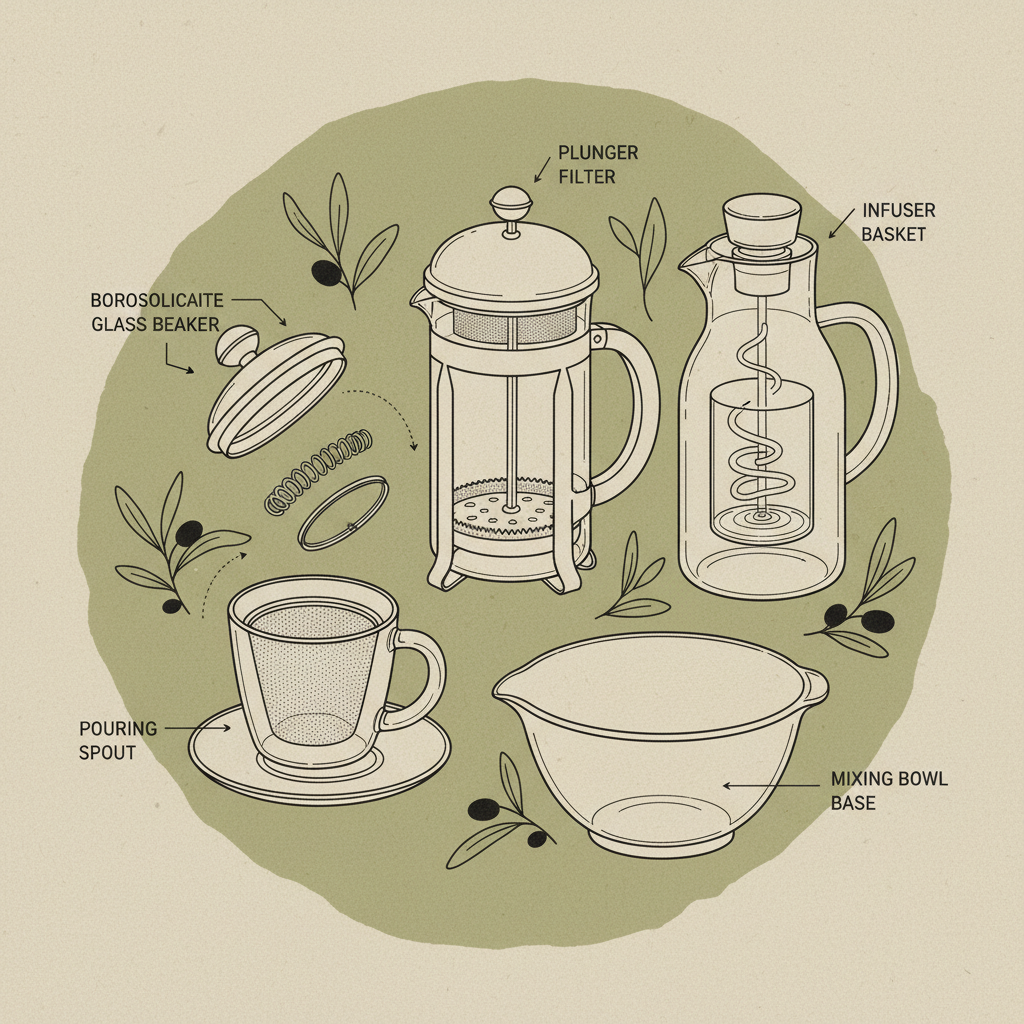
When you look at a glass water bottle with sleeve, it’s not just about slapping a rubber coat around glass. The quality of the glass itself matters immensely – borosilicate glass is the go-to because of its thermal shock resistance, meaning it can handle temperature swings without cracking. Then there's the sleeve material. Silicone is popular for its flexibility and grip, but some cheaper options can degrade quickly in UV light.
The way the sleeve is bonded to the glass is also crucial. A poorly adhered sleeve can peel off, rendering it useless. We look for bottles where the sleeve is molded directly onto the glass, or uses a high-strength adhesive that can withstand constant use and cleaning.
Finally, the lid design is critical. A leak-proof, secure lid is a must-have to prevent spills and ensure the bottle remains hygienic throughout the day. Screw-top lids with silicone seals tend to be the most reliable, but flip-top lids can be convenient if they’re well-engineered.
Material Selection and Impact Resistance
The key to a good glass water bottle with sleeve is in the materials. Borosilicate glass, as mentioned, is excellent, but even that can break. That's where the sleeve plays its biggest role. The thickness and density of the sleeve material directly impact its ability to absorb shocks. I've seen sleeves made from thin, flimsy silicone offer almost no protection, while thicker, more robust sleeves can significantly increase the bottle's impact resistance.
Beyond the core materials, the design of the sleeve is important. Sleeves with reinforced corners and textured surfaces offer better grip and protection in areas prone to impact. We've also seen bottles with strategically placed ridges on the sleeve that act as shock absorbers, spreading the force of an impact over a larger area.
Testing is vital. A drop test from a reasonable height onto a concrete surface is a good initial assessment. But true reliability comes from long-term use in a demanding environment like a construction site. You want a bottle that can withstand repeated drops, scrapes, and exposure to harsh elements without failing.
Thermal Properties and Sleeve Performance
Keeping water cold – or coffee hot – is a big deal, especially during long shifts. Glass itself doesn’t insulate particularly well, so the sleeve plays a role here too. A thicker sleeve can provide some degree of thermal insulation, slowing down heat transfer. But material choice matters.
Neoprene sleeves are excellent insulators, but they can get bulky and absorb odors. Silicone sleeves offer a good balance of insulation and ease of cleaning. Double-walled sleeves, with an air gap between the glass and the outer layer, provide the best thermal performance, but they add to the cost and weight.
Sleeve Material Thermal Performance Comparison
Real-World Applications on Construction Sites
I've seen firsthand how a well-chosen glass water bottle with sleeve becomes an essential part of a worker’s daily kit. It’s not just about having water readily available; it's about having a bottle that can withstand the rough and tumble of a construction site without breaking or leaking.
We’ve started providing branded bottles to our crews, and the uptake has been fantastic. It’s a small gesture, but it shows we care about their well-being and encourages them to stay hydrated. And honestly, a good-looking bottle is something guys are proud to carry.
Long-Term Value and Sustainability
Investing in a quality glass water bottle with sleeve is a smart financial decision. It eliminates the need to constantly replace cheap plastic bottles, saving money in the long run. And, importantly, it reduces plastic waste, aligning with growing sustainability initiatives.
The durability of glass, combined with the protective sleeve, means these bottles can last for years with proper care. That’s a win for the environment and a win for the bottom line.
Future Trends and Innovations in Glass Bottle Design
We're starting to see some exciting innovations in glass bottle technology. New types of glass are being developed that are even more impact-resistant and lightweight. And the integration of smart features, like temperature sensors and hydration reminders, is on the horizon.
Sleeve materials are also evolving. We’re seeing bio-based silicone alternatives and sleeves made from recycled materials. The focus is on creating a product that is not only durable and functional but also environmentally responsible.
I think we’ll see a move towards more modular designs, where sleeves can be easily replaced or customized. This will extend the lifespan of the bottle and allow users to personalize their hydration gear.
Core Attributes of Effective Glass Water Bottle with Sleeve Solutions
| Material Quality |
Sleeve Protection |
Thermal Retention |
Ease of Cleaning |
| Borosilicate Glass (Rating 8/10) |
Thick Silicone (Rating 9/10) |
Double-Walled Sleeve (Rating 7/10) |
Wide Mouth Opening (Rating 8/10) |
| Standard Soda-Lime Glass (Rating 5/10) |
Thin Rubber Sleeve (Rating 3/10) |
Single-Layer Silicone (Rating 5/10) |
Narrow Opening (Rating 4/10) |
| Recycled Glass (Rating 7/10) |
Bio-Based Silicone (Rating 7/10) |
None (Rating 2/10) |
Dishwasher Safe (Rating 9/10) |
| Tempered Glass (Rating 6/10) |
Woven Fabric Sleeve (Rating 4/10) |
Air Gap Insulation (Rating 6/10) |
Hand Wash Only (Rating 3/10) |
| Plastic Reinforced Glass (Rating 4/10) |
Minimalist Sleeve (Rating 2/10) |
Thin Plastic Layer (Rating 1/10) |
Difficult to Reach (Rating 2/10) |
| Colored Glass (Rating 6/10) |
Reinforced Corners (Rating 8/10) |
Vacuum Insulated Sleeve (Rating 8/10) |
Easy to Disassemble (Rating 7/10) |
FAQS
A robust glass water bottle with a thick, protective sleeve is crucial. Look for borosilicate glass for thermal shock resistance and a silicone or neoprene sleeve for impact protection. It needs to withstand drops, bumps, and exposure to harsh elements without breaking or leaking. We prioritize bottles that have been tested in similar environments to ensure they can hold up.
The sleeve material is hugely important. Silicone offers a good balance of flexibility, grip, and protection. Neoprene provides excellent insulation but can be bulky. Thicker sleeves generally offer better impact resistance, and textured surfaces improve grip, especially with gloves. Avoid flimsy sleeves that offer little to no protection.
It depends on the bottle and sleeve. Many are dishwasher safe, but it's crucial to check the manufacturer's instructions. High heat and harsh detergents can degrade some sleeve materials over time. Hand washing is often recommended to prolong the life of the bottle and sleeve.
A secure, leak-proof lid is essential. Screw-top lids with silicone seals are generally the most reliable. Flip-top lids can be convenient but need to be well-engineered to prevent spills. The lid should also be easy to open and close with gloved hands. A wide mouth opening is preferred for easy filling and cleaning.
Switching to a reusable glass bottle with sleeve significantly reduces plastic waste. Glass is also a recyclable material, although the recycling process can be energy-intensive. Look for bottles made from recycled glass or with sleeves made from sustainable materials like bio-based silicone to further minimize environmental impact.
While there aren't universally recognized certifications specifically for these bottles, look for products that meet general safety standards for food-grade materials (like FDA approval). Also, consider brands that prioritize ethical manufacturing practices and sustainable sourcing of materials. Reviews from users in similar work environments can provide valuable insights.
Conclusion
A well-chosen glass water bottle with sleeve is more than just a hydration tool; it’s a durable, sustainable, and practical piece of kit for anyone working in a demanding environment. From the quality of the glass to the design of the sleeve and lid, every detail matters. Investing in a quality bottle pays off in the long run, reducing waste and promoting a healthier, more productive workforce.
Moving forward, we’ll be looking at even more sustainable materials and innovative designs. The goal is to create a bottle that is not only tough and reliable but also minimizes its environmental impact. Ultimately, it's about providing our crews with the best possible tools to get the job done safely and efficiently. Visit our website to learn more and find the perfect glass water bottle with sleeve for your team: www.yintoglassware.com
 TEL: +86 18903393212
 Email: tina@yintoglassware.com