 TEL: +86 18903393212
 Email: tina@yintoglassware.com

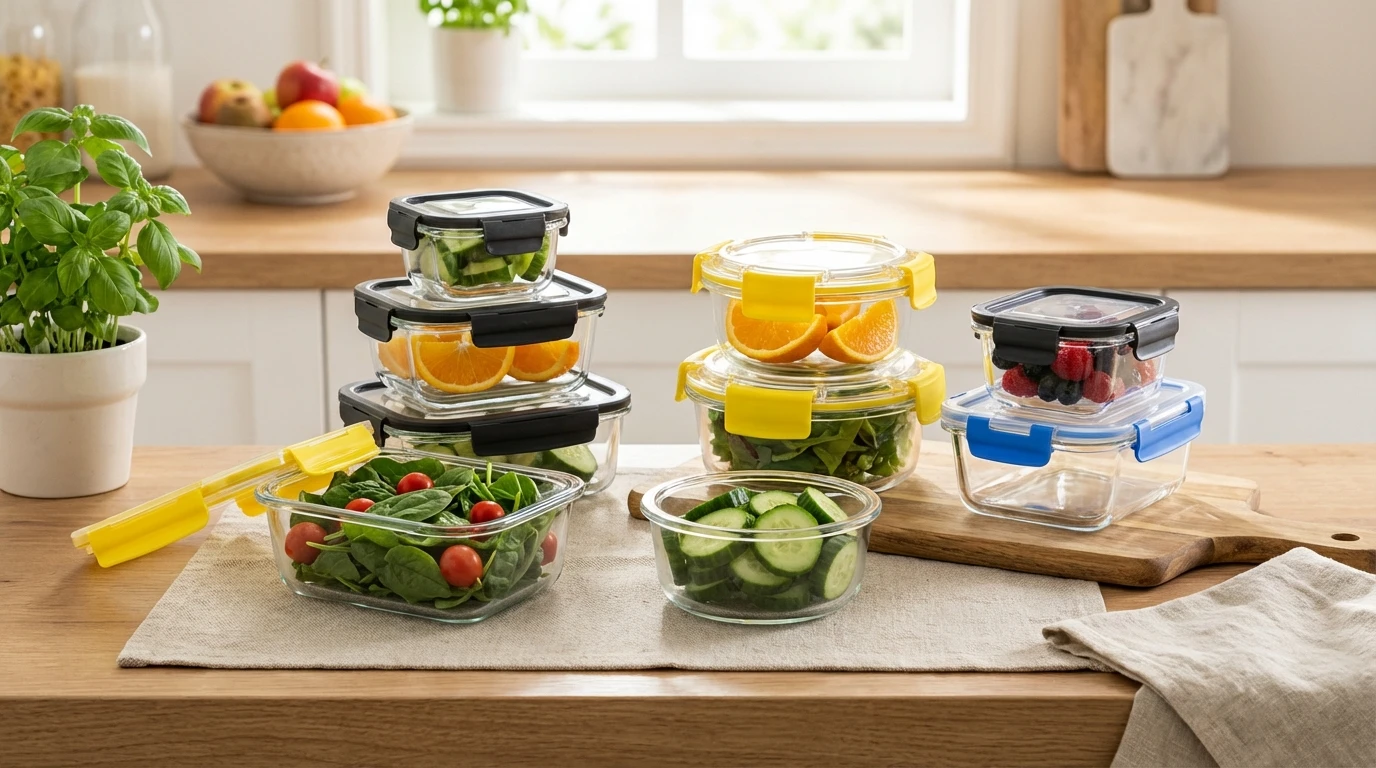
The 18oz Glass Bottle – Durable, Sustainable, and Ideal for Modern Packaging Solutions
Understanding the 18oz Glass Bottle: Why It Matters Worldwide
When you think about packaging, the humble 18oz glass bottle probably isn’t the first thing that springs to mind. Yet, globally, this container plays a surprisingly pivotal role—from artisan beverages to sustainable packaging solutions—and its importance keeps growing. Grasping why this particular size and material matter unlocks insights about environmental concerns, industry trends, and even humanitarian efforts. Plus, there's a certain charm to a solid glass bottle that just feels right, doesn’t it?
Global Context: The Growing Footprint of the 18oz Glass Bottle
In 2023, glass bottle manufacturing accounted for over 40 million tons globally, according to ISO standards. Among these, the 18oz glass bottle has emerged as a sweet spot for both producers and consumers: not too heavy, but with enough volume to appeal for everything from craft sodas to essential oils. The bottle’s footprint intersects with serious global challenges—plastic pollution, circular economy initiatives, and packaging waste legislation. Interestingly, regions like Europe and North America lead in adopting glass over plastic for sustainability reasons, while emerging markets see it as a mark of quality.
But there’s a tricky balance—the glass industry is energy-intensive, which is why innovations in bottle design, reuse, and recycling matter more than ever. The 18oz glass bottle offers an excellent case study for how industries balance tradition with green tech.
What Exactly is an 18oz Glass Bottle?
Simply put, an 18oz glass bottle holds roughly 532 milliliters and is made entirely of glass, typically soda-lime or borosilicate. It’s a versatile size—larger than a typical juice shot, smaller than a full quart—and fits neatly into everything from retail shelves to specialty goods packaging.
This bottle isn’t just about volume. It embodies a commitment to purity and reuse. Glass, unlike many plastics, doesn't leach chemicals or odors into its contents, which keeps beverages and other liquids tasting as intended. It connects to modern needs by giving producers a safe, aesthetically pleasing container that’s 100% recyclable.
Key Features of the 18oz Glass Bottle
Durability
One reason many engineers (and bartenders) swear by glass is its resistance to degradation. Unlike plastics that crack or degrade, glass bottles maintain their structural integrity for years, even after multiple uses. Of course, they can break if dropped—which is a limitation that calls for careful logistics and packaging design.
Scalability
From boutique craft soda makers to international breweries, the 18oz glass bottle is scale-friendly. Manufacturing plants can adjust molds and finishes without major machinery revamps, keeping production costs predictable. Oddly enough, this mid-size bottle also fits comfortably into automated filling lines designed for smaller or larger bottles, enhancing efficiency.
Cost Efficiency
While glass is heavier and typically costlier to ship than plastic alternatives, the 18oz size strikes a balance. It uses less glass than larger bottles but offers enough volume to justify packaging and distribution costs. Plus, the ability to reuse and recycle adds a layer of economic and environmental sustainability that's hard to ignore.
Design Versatility
One of glass’s underrated perks is how well it lends itself to embossing, custom labeling, and color options—think emerald green bottles for organic beverages or classic amber for craft brews. This adaptability helps brands stand out on shelves in crowded markets.
Environmental Impact
Approximately 70% of glass containers globally are recycled, and the 18oz bottle fits neatly into this system. Its weight and shape make it easier to collect, clean, and remelt. Of course, the energy cost for making virgin glass is higher than recycled glass, emphasizing the need for robust recycling policies.
| Feature | Details |
|---|---|
| Capacity | 18 fluid ounces (approx. 532 ml) |
| Material | Soda-lime glass (common), Borosilicate (optional) |
| Weight (empty) | Approx. 220-260 grams |
| Bottle Neck Finish | Standard 28mm or customizable crown/continuous thread |
| Recyclability | 100% recyclable without quality loss |
| Typical Colors | Clear, amber, green, custom tints available |
Where Is the 18oz Glass Bottle Making Its Mark?
These bottles have practical applications worldwide:
- Craft beverage industry: Microbreweries and artisanal soda companies prize 18oz bottles for portion control and branding flair.
- Pharmaceuticals & Health Products: Herbal tinctures and vitamins often use this size to balance dosage and portability.
- Post-disaster humanitarian aid: Glass bottles containing clean water or medicinal solutions have been deployed in emergency relief, especially in regions with plastic waste management challenges.
- Luxury cosmetic packaging: Perfumes and serums frequently adopt 18oz bottles for premium product lines, lending a tactile sense of quality.
Interestingly, some NGOs operating in developing regions have leveraged glass packaging to reduce plastic dependency, supporting local recycling markets and boosting community safety.
What Makes This Bottle So Valuable? Advantages and Long-Term Impact
First, there’s the obvious: glass’s inert nature means long shelf-life without contamination — crucial for food safety and trust. Socially, offering drinks or medicines in glass bottles conveys care and dignity. There's a psychological weight to a cool, clear bottle that suggests quality. Meanwhile, its recyclability supports circular economy principles, lowering landfill waste.
Financially, while glass initially costs more, many producers find that repeat use and consumer preference for glass-packaged goods offset upfront expenses. The bottle is reliable, recyclable, attractive, and increasingly favored by consumers mindful of climate change.
Looking Ahead: Trends Shaping the Future of 18oz Glass Bottles
Green energy is pushing glass makers to adopt cleaner furnaces fueled by hydrogen or solar power, cutting emissions drastically. I’ve noticed many brands experimenting with smart bottles—embedded with QR codes for traceability or NFC chips to tell consumers about origin and recycling instructions.
Automation in manufacturing lines allows for quicker customization — more glass colors, unique shapes, and eco-friendly coatings that reduce weight without sacrificing strength. Plus, policy trends are nudging entire supply chains toward refillable and reusable glass models, inspired by the success of European container-deposit programs.
The Bumps in the Road: Common Challenges and How to Fix Them
Of course, no product is perfect. Glass’s fragility continues to worry logistics managers. Transport damage isn’t just frustrating—it’s costly. Some bottlers are investing in shock-absorbent packaging or redesigning pallets for safer stacking.
Energy demand during glassmaking is another pain point; however, combining recycled cullet (broken glass) helps reduce melting temperatures and carbon emissions. Also, the heft makes shipping pricier compared to lightweight plastics, but this is offset where refill stations or local sourcing reduce transportation.
| Vendor | Customization Options | Minimum Order Quantity | Sustainability Certifications | Price Range (per 1000) |
|---|---|---|---|---|
| Yinto Glassware | Custom shapes, colors, finishes | 5000 units | ISO 14001, LEED compliant | $1,200 - $1,500 |
| EcoBottle Co. | Limited colors, standard shapes | 2000 units | Fair Trade Certified | $1,000 - $1,300 |
| GlassWorks Intl. | Full custom design & branding | 10000 units | ISO 9001, Carbon Neutral | $1,500+ |
Frequently Asked Questions About 18oz Glass Bottles
- Q1: Are 18oz glass bottles a good option for beverage startups?
- A: Absolutely. This size balances cost with consumer appeal nicely and supports premium branding. Plus, glass assures better taste retention and is eco-friendlier than plastic, which many consumers now expect.
- Q2: How recyclable are 18oz glass bottles compared to larger sizes?
- A: They are equally recyclable. The main difference lies in collection and sorting logistics. Their moderate size often makes them easier to handle during automated recycling processes.
- Q3: Can 18oz bottles be customized with unique colors or shapes?
- A: Yes. Most manufacturers offer custom molds, colors, and finishes—though minimum order quantities apply. Customization helps brands stand out but can increase lead times and prices.
- Q4: What are the shipping considerations for 18oz glass bottles?
- A: Because they're heavier and fragile, they require secure packaging and careful palletizing. Many companies use cushion materials and optimized load patterns to minimize breakage and freight costs.
- Q5: How does the 18oz glass bottle contribute to sustainability initiatives?
- A: Its recyclability and reusability reduce landfill waste. Using recycled glass reduces energy consumption in production, aligning with global UN sustainability goals (UN SDG 12 - Responsible Consumption and Production).
Wrapping Up: Why the 18oz Glass Bottle Will Keep Pouring Forward
It might feel like a small player, but the 18oz glass bottle fits snugly within some of today’s most pressing packaging and sustainability conversations. It is durable, scalable, design-friendly, and planet-conscious. For businesses large and small, it’s a canvas of possibility—where taste, trust, and tech meet.
If you’re considering a switch to or starting with glass, it’s worth checking out current offerings and innovations. Visit Yinto Glassware for cutting-edge solutions in this space.
Mini takeaway: The 18oz glass bottle may be “just a bottle,” but it stands at the crossroads of quality, tradition, and green innovation. It honors yesterday yet embraces tomorrow.
References:
1. International Organization for Standardization (ISO) – www.iso.org
2. United Nations Sustainable Development Goals – UN SDG 12
3. World Bank Data on Manufacturing & Recycling – data.worldbank.org
-
Ultimate Guide to Choosing Big Glass Storage Containers for Every NeedNewsApr.16,2026
-
Small Glass Lunch Containers Guide for Healthy Meal PrepNewsApr.09,2026
-
Comprehensive Guide to Choosing the Best Storage Containers for Dishes and GlassesNewsApr.07,2026
-
Selecting The Optimal 300ml Food Containers For Your Business NeedsNewsApr.04,2026
-
Discover the Benefits of Durable 3 Cup Glass Food Storage ContainersNewsMar.31,2026
-
Comprehensive Guide to Choosing Superior Glass Divided Food ContainersNewsMar.28,2026
![[Extra Large with Handle] Oven Safe Glass Food Storage Container with Airtight Locking Lid & Handle, Oven Safe Dishwasher Safe](https://images.exportstart.com/images/a1251/extra-larger-glass-container-with-snap-locking-lid-164.webp "[Extra Large with Handle] Oven Safe Glass Food Storage Container with Airtight Locking Lid & Handle, Oven Safe Dishwasher Safe")
![[All Microwave Safe] High Borosilicate Glass Food Storage Container , Oven Safe without Lid, Dishwasher Safe](https://images.exportstart.com/images/a1251/squre-glass-container-with-glass-lid-518.webp "[All Microwave Safe] High Borosilicate Glass Food Storage Container , Oven Safe without Lid, Dishwasher Safe")
![[Sliding Vent PP Lid] Borosilicate Glass Food Storage Containers with Food-grade Plastic Lid, Airtight, Leak Resistant](https://images.exportstart.com/images/a1251/glass-food-storage-container-with-airtight-lid-183.webp "[Sliding Vent PP Lid] Borosilicate Glass Food Storage Containers with Food-grade Plastic Lid, Airtight, Leak Resistant")
![[Large Skylight Glass Lid] Glass Food Storage Container, Oven Safe with Lid, BPA Free, 100% Leak resistant](https://images.exportstart.com/images/a1251/glass-lid-food-storage-container-1-1-196.webp "[Large Skylight Glass Lid] Glass Food Storage Container, Oven Safe with Lid, BPA Free, 100% Leak resistant")
![[Colorful Vent PP Lid] Glass Food Storage Container, BPA Free, Leakproof, Dishwasher Safe](https://images.exportstart.com/images/a1251/002-1-639.webp "[Colorful Vent PP Lid] Glass Food Storage Container, BPA Free, Leakproof, Dishwasher Safe")
![[Color Vent PP Lid] Borosilicate Glass Food Storage Container, Leakproof, Dishwasher Safe](https://images.exportstart.com/images/a1251/1-941.webp "[Color Vent PP Lid] Borosilicate Glass Food Storage Container, Leakproof, Dishwasher Safe")
![[Vacuum AS] Food Storage Container with Pump](https://images.exportstart.com/images/a1251/7-1-397.webp "[Vacuum AS] Food Storage Container with Pump")