 TEL: +86 18903393212
 Email: tina@yintoglassware.com

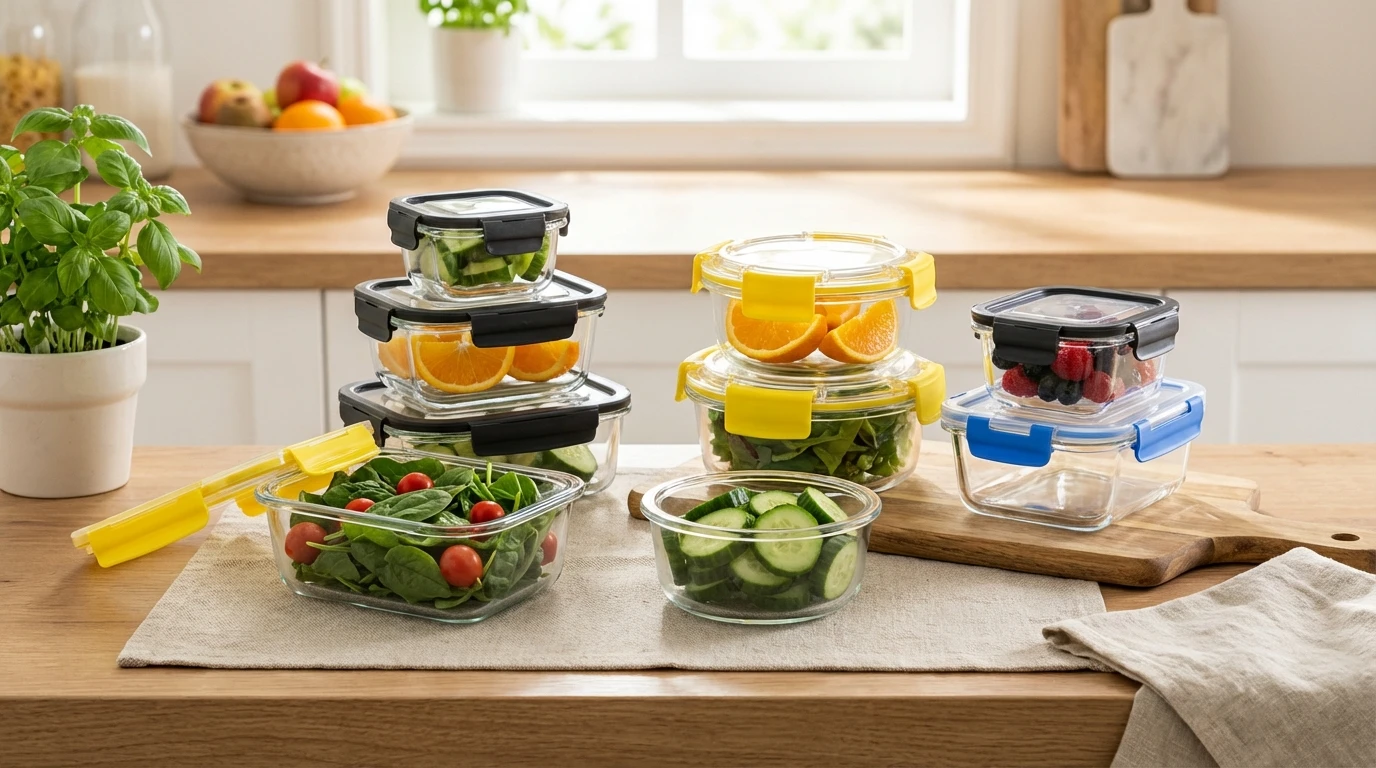
ODM Borosilicate Glass Bottle – Durable and Sustainable Packaging Solutions
Understanding ODM Borosilicate Glass Bottles: Why They Matter Globally
At first glance, a borosilicate glass bottle might seem like just another container. Yet, in industries spanning from pharmaceuticals to specialty beverages, and even humanitarian aid, the odm borosilicate glass bottle holds significant value. Globally, its importance is growing as sustainability and durability become critical factors in packaging and storage solutions.
Why should we care? For one, the precise engineering behind these bottles offers resistance to thermal shock and chemical corrosion, making them a reliable choice in sensitive applications. Plus, with increasing emphasis on environmentally friendly materials, borosilicate glass provides a reusable and recyclable option that aligns with eco-conscious goals worldwide.
Whether you're a manufacturer, an NGO planning disaster relief, or an end-user demanding quality, knowing the nuances of ODM (original design manufacturing) borosilicate glass bottles can save costs, improve trust in your products, and even lessen environmental impact.
The Global Context: A Rising Demand for Durable, Eco-Friendly Packaging
Globally, the glass packaging industry is projected to grow steadily; according to market data, the glass packaging sector was worth around $45 billion in 2022 and is forecast to expand by 5-6% annually (source: ISO Glass Packaging Market Report, 2023). The demand for borosilicate glass bottles, especially ODM versions tailored to exact client needs, has risen sharply.
One challenge the world faces is balancing product safety with environmental responsibility. Traditional plastics have fallen out of favor due to pollution concerns, and metals, while recyclable, may not always offer the thermal resistance or chemical inertness needed. This is where odm borosilicate glass bottle solutions carve a niche — offering longevity, purity, and recyclability.
What Exactly Is an ODM Borosilicate Glass Bottle?
Simply put, an ODM borosilicate glass bottle is a borosilicate glass container produced under a manufacturing agreement where the design and development come from the supplier (the ODM), but the product is branded and sold by the client. Borosilicate glass itself is recognized for its high resistance to thermal shock and chemical corrosion due to its unique silica and boron trioxide composition.
This makes it invaluable in industries like pharmaceuticals, cosmetics, chemical labs, and even food & beverage sectors that require bottles that don’t interact with contents, maintain sterility, and are reusable. The ODM aspect means clients receive customized dimensions, colors, or features without investing in complete R&D themselves.
Mini takeaway:
An updward trend sees bespoke borosilicate glass bottles enhancing product safety and brand distinction worldwide.
Key Aspects That Make ODM Borosilicate Glass Bottles Stand Out
1. Durability and Thermal Resistance
Borosilicate glass can withstand sudden temperature changes up to 165°C without cracking — perfect for products exposed to sterilization or hot-fill processes. Many engineers note that this factor alone often justifies switching from plastic or soda-lime glass.
2. Chemical Inertness
Unlike other containers, these bottles don't leach chemicals, ensuring product integrity. This is crucial for pharmaceuticals and lab reagents.
3. Customization Capabilities (The ODM Advantage)
Clients can request specific shapes, sizes, neck finishes, or surface treatments. ODM suppliers often integrate new design trends or testing standards, helping brands stay competitive and compliant.
4. Sustainability
Glass is endlessly recyclable and avoids microplastic pollution. Borosilicate glass’s longer lifespan reduces waste in comparison to single-use plastics, contributing to circular economy goals.
5. Cost Efficiency Over Time
Though initial costs for borosilicate bottles are higher than plastics, their reusability and durability drive down expenses through fewer replacements and reduced spoilage.
6. Scalability for Production Volumes
ODM manufacturers typically provide scalable solutions — whether a startup wants 1,000 bottles or a pharma giant needs millions annually.
Summary:
- Durability prevents product loss from breakage.
- Customization helps brands shine.
- Sustainability aligns with global environmental goals.
How Are ODM Borosilicate Glass Bottles Used Around the World?
In healthcare, they’re a staple for injectable drug vials and reagent storage in labs across Europe and North America.
Asia-Pacific’s booming nutraceutical and cosmetic sectors rely on customized borosilicate bottles for premium packaging. ODM borosilicate glass bottle producers here often collaborate with multinational brands for just-in-time delivery.
In humanitarian efforts, such bottles are used for safely transporting potable water in post-disaster relief operations — their robustness and chemical inertness maintaining safety when resources are scarce.
Oddly enough, some breweries in Northern Europe have taken a liking to borosilicate containers for craft beers, valuing their purity and thermal resistance during packaging.
Practical Specification Table for a Typical ODM Borosilicate Glass Bottle
| Specification | Details |
|---|---|
| Material | Borosilicate Glass (Borox 3.3 type) |
| Temperature Resistance | -60°C to +400°C |
| Volume Range | 10ml to 1L (customizable) |
| Color Options | Clear, Amber, Frosted |
| Neck Finish | Screw threads, stopper compatible |
| Certifications | ISO 719, USP standards |
Vendor Comparison: Choosing the Right ODM Partner
| Feature | Vendor A (Europe) | Vendor B (Asia) | Vendor C (North America) |
|---|---|---|---|
| Customization Level | High (in-house R&D) | Medium (standard templates + mod) | High (advanced CAD modeling) |
| Price Range | $$$ | $ | $$ |
| Lead Time | 4–6 weeks | 6–8 weeks | 3–5 weeks |
| Certifications | ISO, FDA | ISO only | ISO, USP |
| Sustainability Practices | 100% reclaimed glass | Partial recycled content | Green energy powered plant |
Advantages of ODM Borosilicate Glass Bottles: A Long-Term View
Most clients report lower operational risks and improved brand trust using ODM borosilicate glass bottles. Why? Because they’re reliable — material integrity assures product freshness and safety, which consumers notice. These bottles support sustainability goals by reducing plastic usage and waste.
On an emotional level, there’s something reassuring about glass. It feels “cleaner,” more premium, more thoughtful. The confidence it imparts to both manufacturers and consumers is intangible but powerful.
Looking Ahead: Innovations and Trends Shaping the Future
Increasingly, ODM producers are incorporating intelligent coatings — anti-fog, antimicrobial, even digital sensors embedded in labels. The rise of green energy use in glass manufacturing plants aims to reduce CO₂ footprints.
Digital transformation lets brands quickly iterate bottle designs and receive physical samples faster — a real leap compared to the slower processes a decade ago. There’s also a push toward hybrid glass composites that maintain borosilicate benefits with added durability.
Common Challenges and How Industry Experts Are Overcoming Them
Despite their advantages, borosilicate glass bottles still face hurdles:
- Fragility: They are more fragile than metals or plastics, so packaging and shipping require extra care.
- Higher Initial Cost: Not every client sees immediate ROI, especially small businesses.
- Manufacturing Complexity: Custom ODM orders need precise specs and quality controls, which prolong lead times.
Innovative solutions include shock-absorbing packaging designs, modular bottle parts to reduce shipping damage, and financing/leasing schemes to ease upfront costs.
FAQ: Frequently Asked Questions About ODM Borosilicate Glass Bottles
- Q: Can ODM borosilicate glass bottles be customized for unique branding?
- A: Absolutely. ODM suppliers specialize in personalized sizing, shapes, and surface finishes such as embossing, screen printing, or color tinting — all boosting brand visibility.
- Q: How resistant are these bottles to chemical contamination?
- A: Borosilicate glass is chemically inert and does not leach into contents, making it ideal for pharmaceuticals, chemicals, and sensitive beverages.
- Q: Are ODM borosilicate glass bottles environmentally friendly?
- A: Yes. They’re made from recyclable materials and designed for reuse, cutting down plastic waste and supporting sustainability programs.
- Q: What’s a typical lead time for a custom ODM order?
- A: Custom orders usually take between 4–8 weeks depending on complexity and volume. Fast-track options might be available with some vendors.
- Q: How should these bottles be stored to maximize lifespan?
- A: Store in stable temperature environments with adequate cushioning to avoid accidental breakage. Avoid dropping or sudden impacts.
Conclusion: Why ODM Borosilicate Glass Bottles Are a Smart Investment
When you sum it all up, the odm borosilicate glass bottle isn't just glass — it’s a practical, sustainable, and high-value solution that meets global industry requirements. It combines science with design flexibility, answering the growing demand for environmentally sound yet highly functional packaging.
If you’re weighing your packaging options or want to upgrade your product line with trusted, durable bottles, consider the ODM route. It takes the legwork out of design and testing, delivering fully optimized bottles just for your business needs.
Explore more about customizing your own borosilicate glass bottles by visiting our supplier’s website: odm borosilicate glass bottle. It’s a small step that might just redefine your product’s shelf life and appeal.
References
- ISO Glass Packaging Market Report, 2023
- Borosilicate Glass - Wikipedia
- UN Environment Programme on Single-use Plastics
-
Ultimate Guide to Choosing Big Glass Storage Containers for Every NeedNewsApr.16,2026
-
Small Glass Lunch Containers Guide for Healthy Meal PrepNewsApr.09,2026
-
Comprehensive Guide to Choosing the Best Storage Containers for Dishes and GlassesNewsApr.07,2026
-
Selecting The Optimal 300ml Food Containers For Your Business NeedsNewsApr.04,2026
-
Discover the Benefits of Durable 3 Cup Glass Food Storage ContainersNewsMar.31,2026
-
Comprehensive Guide to Choosing Superior Glass Divided Food ContainersNewsMar.28,2026
![[Extra Large with Handle] Oven Safe Glass Food Storage Container with Airtight Locking Lid & Handle, Oven Safe Dishwasher Safe](https://images.exportstart.com/images/a1251/extra-larger-glass-container-with-snap-locking-lid-164.webp "[Extra Large with Handle] Oven Safe Glass Food Storage Container with Airtight Locking Lid & Handle, Oven Safe Dishwasher Safe")
![[All Microwave Safe] High Borosilicate Glass Food Storage Container , Oven Safe without Lid, Dishwasher Safe](https://images.exportstart.com/images/a1251/squre-glass-container-with-glass-lid-518.webp "[All Microwave Safe] High Borosilicate Glass Food Storage Container , Oven Safe without Lid, Dishwasher Safe")
![[Sliding Vent PP Lid] Borosilicate Glass Food Storage Containers with Food-grade Plastic Lid, Airtight, Leak Resistant](https://images.exportstart.com/images/a1251/glass-food-storage-container-with-airtight-lid-183.webp "[Sliding Vent PP Lid] Borosilicate Glass Food Storage Containers with Food-grade Plastic Lid, Airtight, Leak Resistant")
![[Large Skylight Glass Lid] Glass Food Storage Container, Oven Safe with Lid, BPA Free, 100% Leak resistant](https://images.exportstart.com/images/a1251/glass-lid-food-storage-container-1-1-196.webp "[Large Skylight Glass Lid] Glass Food Storage Container, Oven Safe with Lid, BPA Free, 100% Leak resistant")
![[Colorful Vent PP Lid] Glass Food Storage Container, BPA Free, Leakproof, Dishwasher Safe](https://images.exportstart.com/images/a1251/002-1-639.webp "[Colorful Vent PP Lid] Glass Food Storage Container, BPA Free, Leakproof, Dishwasher Safe")
![[Color Vent PP Lid] Borosilicate Glass Food Storage Container, Leakproof, Dishwasher Safe](https://images.exportstart.com/images/a1251/1-941.webp "[Color Vent PP Lid] Borosilicate Glass Food Storage Container, Leakproof, Dishwasher Safe")
![[Vacuum AS] Food Storage Container with Pump](https://images.exportstart.com/images/a1251/7-1-397.webp "[Vacuum AS] Food Storage Container with Pump")