 TEL: +86 18903393212
 Email: tina@yintoglassware.com

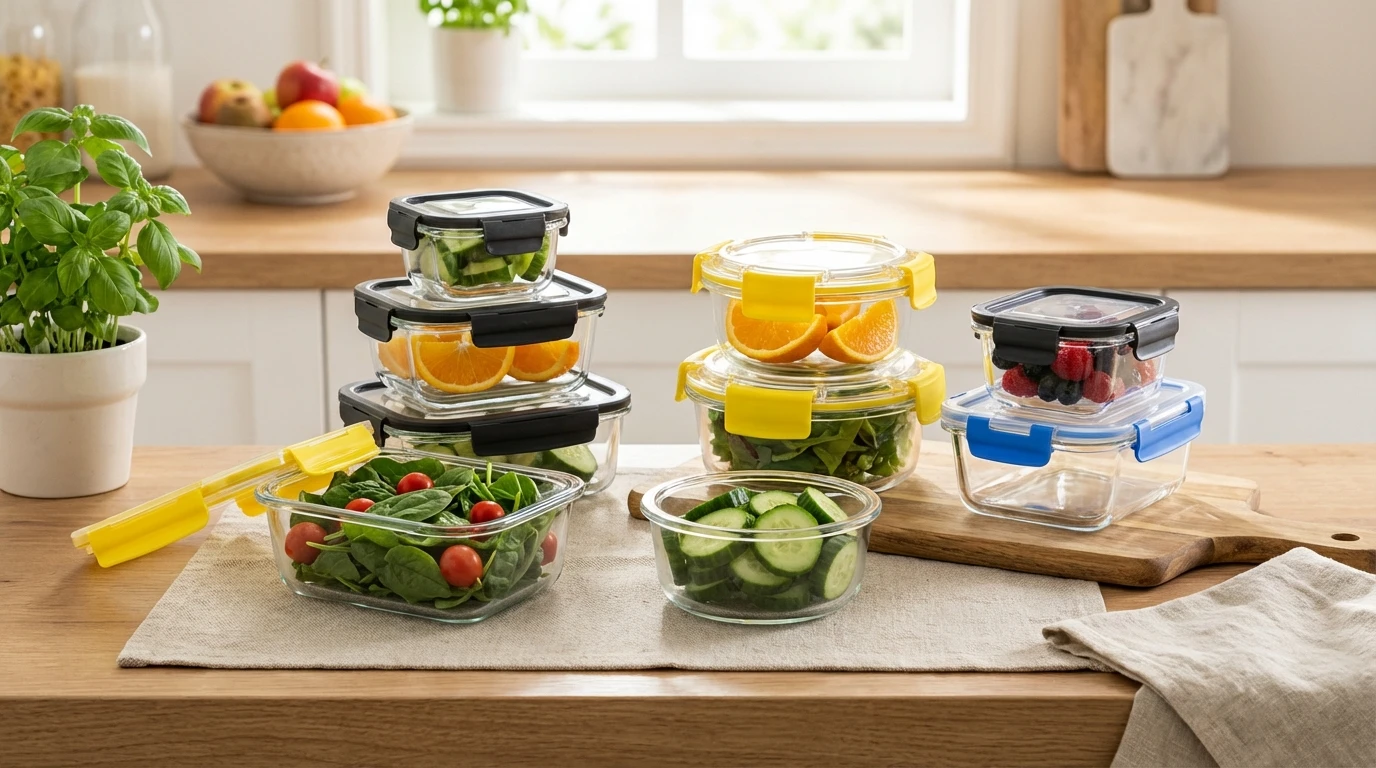
Sustainable Glass Bottles with Bamboo Lids: A Stylish Eco-Friendly Packaging Choice
Discovering the Value of Glass Bottles with Bamboo Lids: More Than Just a Pretty Container
On the surface, glass bottles with bamboo lids might seem like just one of those trendy eco-friendly items popping up everywhere. But when you scratch the surface, they’re actually a neat little solution in the broader context of sustainability, industrial design, and consumer health—fields that matter a whole lot globally. Understanding their appeal and mechanics helps producers, consumers, and environmentalists alike appreciate why this combo is gaining momentum worldwide.
Globally, the shift from plastic to reusable, renewable materials isn’t just a fad—it’s a step toward combatting pollution and fostering circular economies. According to the United Nations Environment Programme, billions of plastic bottles end up polluting our oceans and landfills each year, causing irreversible ecological damage. Bamboo-lid glass bottles offer a practical, sustainable alternative incorporating renewable natural resources and recyclable glass. Plus, their aesthetic charm doesn't hurt either.
Why Glass Bottles with Bamboo Lids Are Gaining Global Attention
Data from the International Organization for Standardization points to an increasing demand for environmentally friendly packaging solutions in industries ranging from food and beverage to cosmetics. Glass containers paired with bamboo lids respond well to consumer demands for purity, durability, and style, plus a smaller carbon footprint.
The real kick? Bamboo is the fastest-growing woody plant globally, making it an excellent renewable resource that can be harvested repeatedly without deforestation. Meanwhile, glass is 100% recyclable without loss in quality. Together, this duo attacks the plastic crisis by offering biodegradable, reusable, or infinitely recyclable alternatives that industries embrace as a new standard. However, challenges remain—like production cost and supply chain logistics—that the market still wrestles with.
What Exactly Are Glass Bottles with Bamboo Lids?
Simply put, these are containers made mainly of glass with caps or lids crafted from bamboo. The glass part serves as the primary storage vessel—perfect for liquids like water, oils, or even dry goods—while the bamboo lid offers a secure seal and a natural look.
This combination lives at the intersection of traditional natural materials and modern manufacturing. They’re often used in sectors emphasizing sustainability, such as organic cosmetic companies, boutique beverage brands, or eco-minded household product makers. Glass bottles with bamboo lids have become a symbol for clean, conscious consumerism, and increasingly a practical choice to reduce plastic dependency.
Core Aspects of Glass Bottles with Bamboo Lids
Durability and Resistance
Glass is naturally inert and resistant to chemical leaching, making it ideal for preserving contents without imparting tastes or toxins. Bamboo lids, when properly treated and sealed, resist moisture and don’t degrade easily, offering a solid closure mechanism that’s reusable.
Eco-Friendliness and Sustainability
Both glass and bamboo are sustainably sourced: glass from abundant natural silica and bamboo as a rapidly renewable biomass. Compared to plastic, their environmental footprint in production and disposal is notably smaller.
Design Appeal and Customization
Bamboo’s grain and texture bring a touch of natural elegance, easily sanded or engraved for branding. Glass allows transparency or colored variants, giving versatility for marketing or user experience.
Scalability and Industrial Production
Modern manufacturing can produce these bottles at large scale with consistent quality. However, the bamboo parts require more manual handling or niche machinery, posing some bottlenecks but also creating artisan market appeal.
Cost Efficiency Over Time
The upfront price for bamboo-lid glass bottles is a bit higher than plastic, but the reusable, recyclable nature brings cost advantages long-term, especially amid rising environmental regulations and consumer loyalty.
Safety and Health Considerations
Glass is non-toxic and BPA-free, while bamboo presents fewer allergy risks compared to some plastic alternatives. Proper finishing ensures the lids don’t splinter or shed fibers.
Mini takeaway: These bottles marry the best of nature and industry—durable, eco-conscious, and versatile, poised to meet modern production and consumer standards.
How Are Glass Bottles with Bamboo Lids Used Around the World?
In practice, you’ll find these bottles popping up all over. For example:
- In Europe and North America, specialty cosmetic companies package organic creams and serums in these containers to appeal to eco-aware consumers.
- Asia-Pacific regions — including China and Japan — often use them for boutique teas and artisanal beverages, capitalizing on the aesthetic balance of nature and technology.
- Post-disaster relief organizations sometimes deploy glass bottles with bamboo lids in sustainable aid kits, emphasizing reusable and safe drinking vessels that reduce plastic waste accumulation.
- Remote industrial zones have adopted these bottles to store lubricants or chemicals needing inert containers, relying on bamboo lids for ease of reuse and sealing.
For a more in-depth look at bamboo-lid glass bottles’ varieties and usage, you might want to explore specialized suppliers like glass bottles with bamboo lids.
Advantages and Long-Term Benefits
Choosing glass bottles with bamboo lids isn’t just about looking good at home. It’s a conscious commitment to:
- Environmental impact: Both materials are biodegradable or infinitely recyclable, reducing landfill and pollution concerns.
- Health safety: Non-reactive materials keep contents pure without chemical contamination.
- Brand trust and innovation: Companies gain customer goodwill by showing environmental responsibility — something savvy consumers care about a lot.
- Longevity and reliability: The bottles withstand multiple uses and cleanings, making them economically sensible over time.
- Emotional fulfillment: There is a subtle satisfaction in owning something crafted of natural elements, grounding daily routines in sustainability.
Product Specification Table
| Specification | Details |
|---|---|
| Material - Bottle | Borosilicate Glass / Soda-lime Glass |
| Material - Lid | Natural Bamboo, eco-treated |
| Capacity Options | 250ml, 500ml, 750ml, 1L |
| Closure Type | Screw-on, Silicone gasket seal |
| Temperature Range | -20°C to 120°C |
| Customization | Engraving, label printing, coloring |
Top Vendors Compared: Sourcing Your Glass Bottles with Bamboo Lids
| Vendor | MOQ | Customization | Lead Time | Price Range (USD/unit) |
|---|---|---|---|---|
| Yinto Glassware | 500 units | Full engraving, label print | 20-30 days | 1.50 - 3.00 |
| GreenCap Bottles | 1,000 units | Limited custom colors | 25-35 days | 1.80 - 2.75 |
| EcoLid Co. | 200 units | Standard bamboo only | 15-20 days | 2.00 - 3.50 |
Looking Ahead: Trends and Innovations in the Market
What’s next for these bottles? Frankly, quite a bit. The green push never stops evolving:
- Smart Packaging Integration: RFID or NFC tags embedded in bamboo lids could track freshness or authenticity, useful for food or cosmetic brands.
- Advanced Bamboo Treatments: New eco-friendly finishes that improve water resistance and durability while maintaining biodegradability.
- Upcycled Materials: Using bamboo waste material or recycled glass to push circularity further.
- Regulatory Incentives: Governments worldwide are setting stricter limits on single-use plastics, nudging industries to switch to these alternatives.
The Challenges Behind the Scenes—and How They’re Being Tackled
No solution is perfect. Some hurdles remain:
- Supply Chain Variability: Bamboo’s seasonal growth and regional sourcing sometimes cause delays or price spikes.
- Manufacturing Complexity: Attaching lids securely without compromising eco-friendly standards requires precise tech and skilled labor.
- Consumer Education: Some end-users still equate ‘eco-friendly’ with fragility or high cost and hesitate to swap from plastic.
Innovators suggest modular production methods and wider industry collaboration could smooth supply bottlenecks. Also, brands are investing substantially in educational marketing campaigns to highlight benefits versus conventional options.
Frequently Asked Questions About Glass Bottles with Bamboo Lids
- Q: Are glass bottles with bamboo lids truly reusable and safe for hot liquids?
- A: Yes, most high-quality glass bottles with bamboo lids are designed to withstand temperatures up to around 120°C, making them safe for hot beverages. Ensure the bamboo lid has a silicone seal to prevent leaks. Always check manufacturer guidelines for temperature limits.
- Q: How do bamboo lids hold up against moisture and everyday wear?
- Bamboo lids are typically treated with natural oils or eco-friendly coatings to resist moisture and warping. However, they require periodic maintenance like gentle cleaning and drying to maximize lifespan.
- Q: Can these bottles be customized for branding or special events?
- Absolutely! Many suppliers offer engraving, printed labels, or even colored glass options. They’re popular gifts at eco-conscious corporate events and boutique launches.
- Q: Is glass with bamboo lid packaging more expensive than plastic?
- Initially, yes, but the higher upfront cost is offset by durability and customer appeal. Environmental regulations are also expected to raise plastic packaging costs further, making glass+ bamboo increasingly competitive.
- Q: How hard is it to source bamboo-lid glass bottles internationally?
- Thanks to global manufacturing hubs, especially in Asia, sourcing is easier than ever. Reliable suppliers like glass bottles with bamboo lids offer international shipping and customization services, simplifying global orders.
Wrapping Up: Why Glass Bottles with Bamboo Lids Are Here to Stay
In the long run, glass bottles with bamboo lids blend utility, beauty, and responsibility. They tick many boxes—strength, safety, style, sustainability—that matter more as consumers and industries pivot to a greener future. If you haven’t already considered them for your packaging needs, it’s worth a look. Curious to explore glass bottles with bamboo lids yourself? There’s plenty of innovation and quality waiting in that space.
As always, small choices ripple outwards in surprising ways. Maybe your next bottle can be one of those subtle yet impactful ones.
References
-
Ultimate Guide to Choosing Big Glass Storage Containers for Every NeedNewsApr.16,2026
-
Small Glass Lunch Containers Guide for Healthy Meal PrepNewsApr.09,2026
-
Comprehensive Guide to Choosing the Best Storage Containers for Dishes and GlassesNewsApr.07,2026
-
Selecting The Optimal 300ml Food Containers For Your Business NeedsNewsApr.04,2026
-
Discover the Benefits of Durable 3 Cup Glass Food Storage ContainersNewsMar.31,2026
-
Comprehensive Guide to Choosing Superior Glass Divided Food ContainersNewsMar.28,2026
![[Extra Large with Handle] Oven Safe Glass Food Storage Container with Airtight Locking Lid & Handle, Oven Safe Dishwasher Safe](https://images.exportstart.com/images/a1251/extra-larger-glass-container-with-snap-locking-lid-164.webp "[Extra Large with Handle] Oven Safe Glass Food Storage Container with Airtight Locking Lid & Handle, Oven Safe Dishwasher Safe")
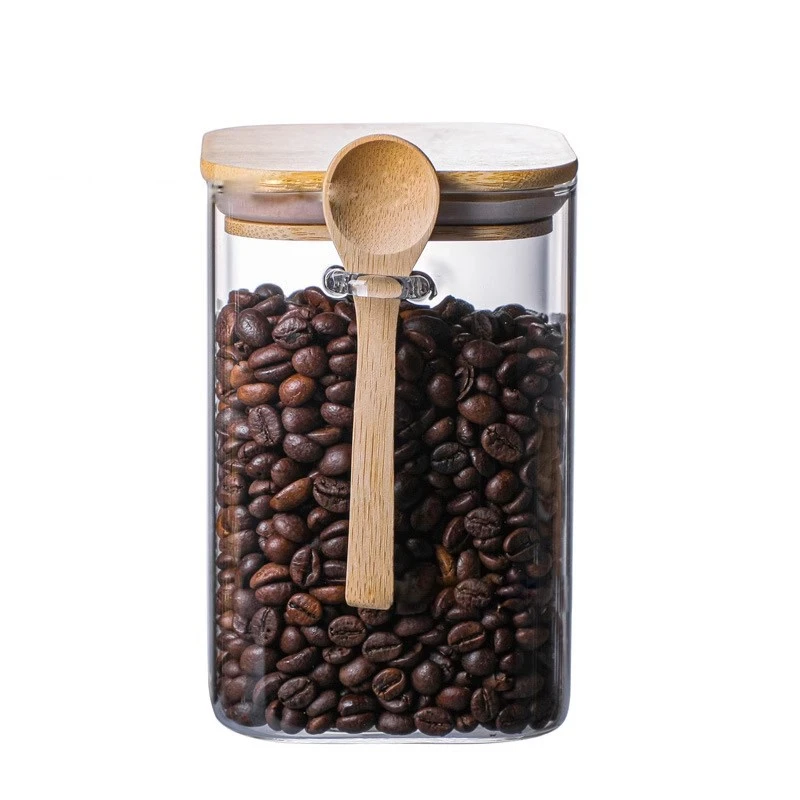
![[All Microwave Safe] High Borosilicate Glass Food Storage Container , Oven Safe without Lid, Dishwasher Safe](https://images.exportstart.com/images/a1251/squre-glass-container-with-glass-lid-518.webp "[All Microwave Safe] High Borosilicate Glass Food Storage Container , Oven Safe without Lid, Dishwasher Safe")
![[Sliding Vent PP Lid] Borosilicate Glass Food Storage Containers with Food-grade Plastic Lid, Airtight, Leak Resistant](https://images.exportstart.com/images/a1251/glass-food-storage-container-with-airtight-lid-183.webp "[Sliding Vent PP Lid] Borosilicate Glass Food Storage Containers with Food-grade Plastic Lid, Airtight, Leak Resistant")
![[Large Skylight Glass Lid] Glass Food Storage Container, Oven Safe with Lid, BPA Free, 100% Leak resistant](https://images.exportstart.com/images/a1251/glass-lid-food-storage-container-1-1-196.webp "[Large Skylight Glass Lid] Glass Food Storage Container, Oven Safe with Lid, BPA Free, 100% Leak resistant")
![[Colorful Vent PP Lid] Glass Food Storage Container, BPA Free, Leakproof, Dishwasher Safe](https://images.exportstart.com/images/a1251/002-1-639.webp "[Colorful Vent PP Lid] Glass Food Storage Container, BPA Free, Leakproof, Dishwasher Safe")
![[Color Vent PP Lid] Borosilicate Glass Food Storage Container, Leakproof, Dishwasher Safe](https://images.exportstart.com/images/a1251/1-941.webp "[Color Vent PP Lid] Borosilicate Glass Food Storage Container, Leakproof, Dishwasher Safe")
![[Vacuum AS] Food Storage Container with Pump](https://images.exportstart.com/images/a1251/7-1-397.webp "[Vacuum AS] Food Storage Container with Pump")