 TEL: +86 18903393212
 Email: tina@yintoglassware.com

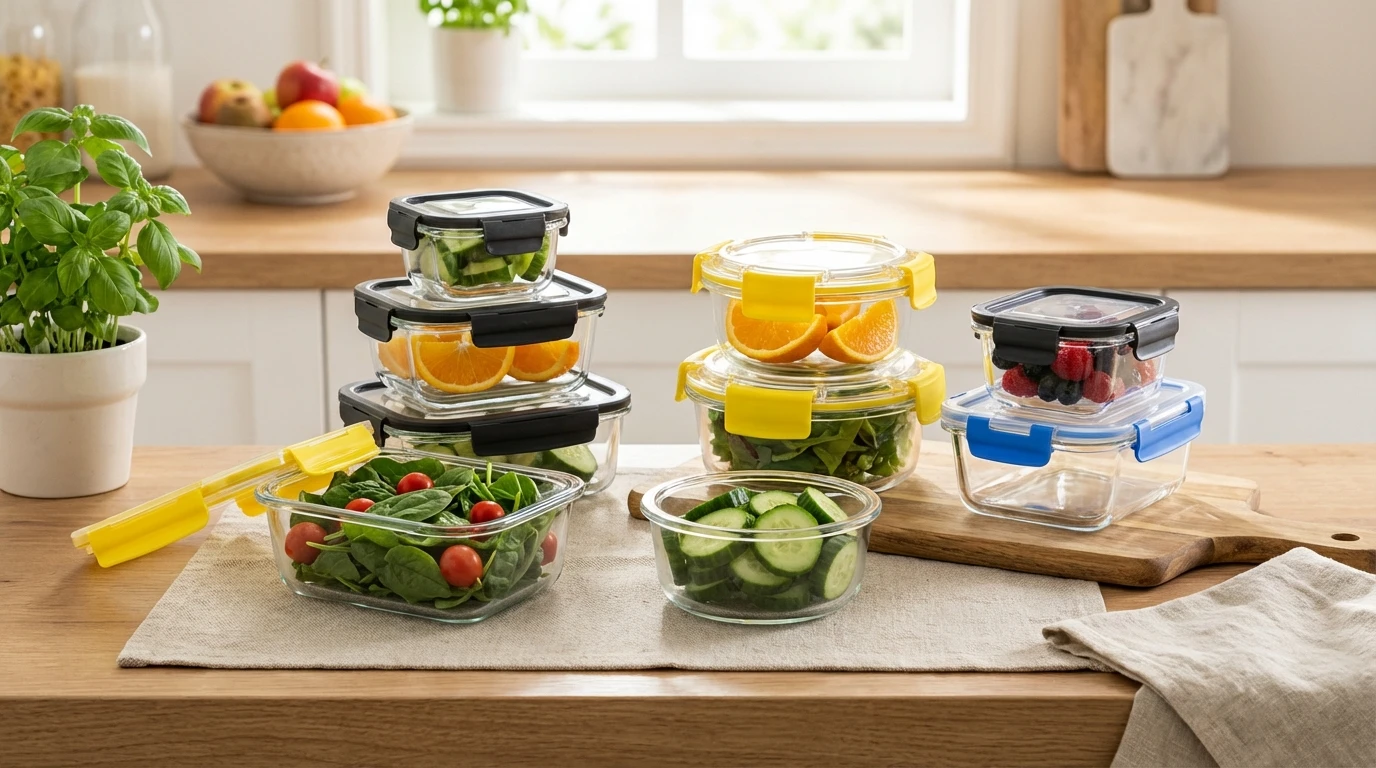
Eco-Friendly Glass Water Bottle with Bamboo Top - Sustainable & Stylish Hydration
Why the Glass Water Bottle with Bamboo Top Is Making Waves Globally
If you’ve been paying attention to sustainable lifestyle trends — or the push for eco-friendly alternatives in everyday products — you’ve probably heard about the glass water bottle with bamboo top. It might seem like just another fancy bottle on the shelf, but globally, it’s emerging as so much more. This simple product embodies a bigger story about environmental awareness, reducing plastic waste, and blending natural materials with modern design. Understanding its benefits and applications provides a glimpse into how even small choices can impact sustainability and consumer health worldwide.
Global Relevance: A Sip Toward a Greener Planet
Plastic pollution is a runaway problem. According to UNEP statistics, over 300 million tons of plastic are produced annually — most of which ends up polluting oceans or landfills. Drinking water bottles, predominantly single-use plastics, contribute significantly to this mountain of waste. Herein lies the growing importance of alternatives like the glass water bottle with a bamboo top: a reusable, biodegradable solution. Sustainable packaging efforts led by the World Bank and initiatives by the ISO toward circular economy practices also highlight the potential of combining glass and bamboo as eco-conscious materials with durability and renewability.
But it’s not just about waste. It’s also about health and safety: glass is inert and won’t leach chemicals like some plastics do, an especially pressing matter as awareness of microplastics and BPA grows.
Mini takeaway:
- Glass water bottles with bamboo tops answer multiple needs: reducing plastic pollution and improving health transparency.
- They align well with global sustainability goals and industry standards related to material reuse.
What Exactly Is a Glass Water Bottle with Bamboo Top?
Simply put, it’s a drinking vessel made mainly from tempered or borosilicate glass for strength and heat resistance, topped with a cap crafted from bamboo — a fast-growing, renewable wood alternative. These bottles combine minimalistic design aesthetics with eco-friendly principles, creating a product that feels natural yet modern. Industries promoting green manufacturing practices and consumers seeking chemical-free hydration options have driven this design’s rise in popularity. In some ways, it’s an emblem of how design meets sustainability.
Main Features Making the Difference
1. Durability & Safety
Contrary to old opinions about glass being fragile, modern glass bottles (especially borosilicate types) are quite resilient. They resist thermal shock and physical impact better than you'd expect. Bamboo caps complement this by adding a sturdy but lightweight seal that’s naturally antimicrobial.
2. Eco-Friendliness & Renewability
Both glass and bamboo score high on sustainability metrics. Glass is endlessly recyclable without quality loss, and bamboo grows rapidly with minimal pesticide use. Together, they drastically reduce carbon footprint compared to petroleum-based plastics.
3. Cost & Scalability
While not dirt cheap, prices have dropped as production scales — especially in Asia-Pacific regions where bamboo grows plentifully. Bottles can be produced with consistent quality and volume, making supply chain management smoother for brands.
4. Aesthetic & Branding Potential
The natural grain of bamboo tops offers manufacturers options for engraving logos or custom finishes, an attractive proposition for marketing premium or corporate gift products.
5. Health & Chemical Safety
Glass doesn’t absorb odors or chemicals, meaning no mysterious flavors or contamination risks — a big plus when compared to some plastic bottles. Bamboo’s natural antimicrobial properties further enhance hygiene.
Mini takeaway:
- Its blend of durability, natural materials, and customizability add layers of value beyond just being a container.
- Design choices reflect pragmatic concerns and appeal to green-conscious consumers.
Global Usage & Real-World Benefits
From office workers in Copenhagen to hikers trekking Patagonia, these bottles have found fans worldwide. NGOs supplying clean drinking water in remote areas — say, in parts of Sub-Saharan Africa — often use durable glass bottles paired with bamboo tops for local distribution, combining reusability with local material sourcing. In Europe and North America, cafes and wellness centers regularly offer their signature drinks in such bottles, reinforcing eco-friendly brand identities.
Even remote industrial sites with strict safety standards use glass water bottles with bamboo tops because glass doesn't degrade or react chemically with stored water, ensuring workers drink clean water every time. And at festivals or events promoting sustainability, the bottles become a symbol, a lifestyle choice that resonates across demographics.
Advantages & Long-Term Value
There’s an emotional side to this, too. Using a glass water bottle with a bamboo top feels like a daily environmental commitment, a small but consistent act towards preserving natural resources. In cost terms, it's more expensive upfront than plastic, but with robust reuse—potentially years—it’s cheaper per use and reduces landfill burdens.
Companies investing in these bottles gain trust by showcasing genuine sustainability efforts—beyond buzzwords—building stronger customer loyalty. Plus, these bottles hold up well to cleaning and sanitizing methods, essential for public health and regulatory compliance.
Product Specifications: Glass Water Bottle with Bamboo Top
| Feature | Details |
|---|---|
| Material (Bottle) | Borosilicate Glass (Tempered) |
| Cap Material | Natural Bamboo (Treated & Sealed) |
| Capacity Options | 350ml, 500ml, 750ml |
| Weight | Approx. 300-450g (depending on size) |
| Insulation | Single Wall (Non-Insulated) |
| Cleaning | Dishwasher Safe (without bamboo cap) |
| Custom Options | Laser engraving, custom colors for bamboo |
Vendor Comparison Table: Leading Glass Bamboo Bottle Manufacturers
| Vendor | Price Range (per unit) | Minimum Order Quantity | Customization | Lead Time |
|---|---|---|---|---|
| Yinto Glassware | $7 - $12 | 500 units | Engraving, bamboo stain colors | 3-4 weeks |
| EcoSip Co. | $8 - $14 | 1,000 units | Custom printing only | 5-6 weeks |
| GreenSip Global | $6.50 - $11 | 300 units | Laser engraving & eco-packaging | 4 weeks |
Future Trends: What’s Next for Glass and Bamboo Bottles?
Innovation never sleeps. We can expect improvements in sealing technologies — making bamboo tops even more leak-proof and durable — and advanced coatings on glass to increase drop resistance without compromising recyclability. There's also a growing interest around integrating RFID tags or QR codes into bamboo caps, combining sustainability with digital tracking for brands to engage customers. Moreover, companies are exploring hybrid designs that insulate while keeping the natural bamboo aesthetic, perfect for a growing outdoor enthusiast market.
In regions where green energy is the new frontier, sourcing bamboo and manufacturing these bottles using solar-powered plants further reduces carbon footprints. It’s almost poetic, using earth-friendly materials made by earth-friendly processes.
Overcoming Challenges: What Stands in the Way?
Of course, nothing’s perfect. Challenges include ensuring bamboo tops resist mold over time — especially in humid climates — and managing the risk of broken glass if handled carelessly. But many manufacturers address this by treating bamboo with natural oils and designing protective silicone sleeves for bottles. Shipping fragile bottles overseas remains costly and complex, but optimized packaging and local production sites make strides in solving this.
Some experts also caution consumers to confirm if the bamboo is sustainably harvested to avoid unintended deforestation impacts. Certifications and transparent supply chains help here.
FAQ: Your Top Questions About Glass Water Bottles with Bamboo Tops
- Q: How durable is a glass water bottle with a bamboo top for everyday use?
- A: Thanks to tempered borosilicate glass, these bottles handle daily knocks and temperature changes well — but dropping from great heights might still cause damage. Using silicone sleeves or protective carriers extends lifespan.
- Q: Can the bamboo top be replaced if it gets damaged?
- A: Many manufacturers sell replacement bamboo caps separately. Since bamboo is natural, it may eventually degrade, but with proper care, it lasts a long time.
- Q: Is the glass bottle fully recyclable and BPA-free?
- A: Absolutely. Glass is 100% recyclable without losing quality, and the bottle contains no BPA or harmful chemicals, making it much safer than plastic options.
- Q: How do I clean and maintain the bamboo cap?
- A: Clean the bamboo top with a damp cloth and mild soap; avoid soaking to prevent warping. Periodic oiling with food-grade mineral oil maintains its sheen and moisture resistance.
- Q: Are these bottles suitable for hot beverages?
- A: While borosilicate glass tolerates temperature changes, the bottle is single-wall and not insulated. It’s okay for warm drinks but won’t keep them hot for long, and bamboo cap expansion from heat should be monitored.
Wrapping It Up — A Small Change, a Big Impact
Glass water bottles with bamboo tops marry style, sustainability, and function in an elegant, tangible way. They encourage us to rethink everyday products through a greener lens without sacrificing quality or convenience. Plus, they bring an earthy sort of warmth and texture (literally) that plastic can’t imitate. I really think they’re part of a broader wave toward mindful consumption—one sip at a time.
If you want to experience the quality and eco-benefits firsthand, check out glass water bottle with bamboo top options from trusted suppliers like Yinto Glassware for customizable, sustainably made choices.
References
-
Ultimate Guide to Choosing Big Glass Storage Containers for Every NeedNewsApr.16,2026
-
Small Glass Lunch Containers Guide for Healthy Meal PrepNewsApr.09,2026
-
Comprehensive Guide to Choosing the Best Storage Containers for Dishes and GlassesNewsApr.07,2026
-
Selecting The Optimal 300ml Food Containers For Your Business NeedsNewsApr.04,2026
-
Discover the Benefits of Durable 3 Cup Glass Food Storage ContainersNewsMar.31,2026
-
Comprehensive Guide to Choosing Superior Glass Divided Food ContainersNewsMar.28,2026
![[Extra Large with Handle] Oven Safe Glass Food Storage Container with Airtight Locking Lid & Handle, Oven Safe Dishwasher Safe](https://images.exportstart.com/images/a1251/extra-larger-glass-container-with-snap-locking-lid-164.webp "[Extra Large with Handle] Oven Safe Glass Food Storage Container with Airtight Locking Lid & Handle, Oven Safe Dishwasher Safe")
![[All Microwave Safe] High Borosilicate Glass Food Storage Container , Oven Safe without Lid, Dishwasher Safe](https://images.exportstart.com/images/a1251/squre-glass-container-with-glass-lid-518.webp "[All Microwave Safe] High Borosilicate Glass Food Storage Container , Oven Safe without Lid, Dishwasher Safe")
![[Sliding Vent PP Lid] Borosilicate Glass Food Storage Containers with Food-grade Plastic Lid, Airtight, Leak Resistant](https://images.exportstart.com/images/a1251/glass-food-storage-container-with-airtight-lid-183.webp "[Sliding Vent PP Lid] Borosilicate Glass Food Storage Containers with Food-grade Plastic Lid, Airtight, Leak Resistant")
![[Large Skylight Glass Lid] Glass Food Storage Container, Oven Safe with Lid, BPA Free, 100% Leak resistant](https://images.exportstart.com/images/a1251/glass-lid-food-storage-container-1-1-196.webp "[Large Skylight Glass Lid] Glass Food Storage Container, Oven Safe with Lid, BPA Free, 100% Leak resistant")
![[Colorful Vent PP Lid] Glass Food Storage Container, BPA Free, Leakproof, Dishwasher Safe](https://images.exportstart.com/images/a1251/002-1-639.webp "[Colorful Vent PP Lid] Glass Food Storage Container, BPA Free, Leakproof, Dishwasher Safe")
![[Color Vent PP Lid] Borosilicate Glass Food Storage Container, Leakproof, Dishwasher Safe](https://images.exportstart.com/images/a1251/1-941.webp "[Color Vent PP Lid] Borosilicate Glass Food Storage Container, Leakproof, Dishwasher Safe")
![[Vacuum AS] Food Storage Container with Pump](https://images.exportstart.com/images/a1251/7-1-397.webp "[Vacuum AS] Food Storage Container with Pump")