 TEL: +86 18903393212
 Email: tina@yintoglassware.com

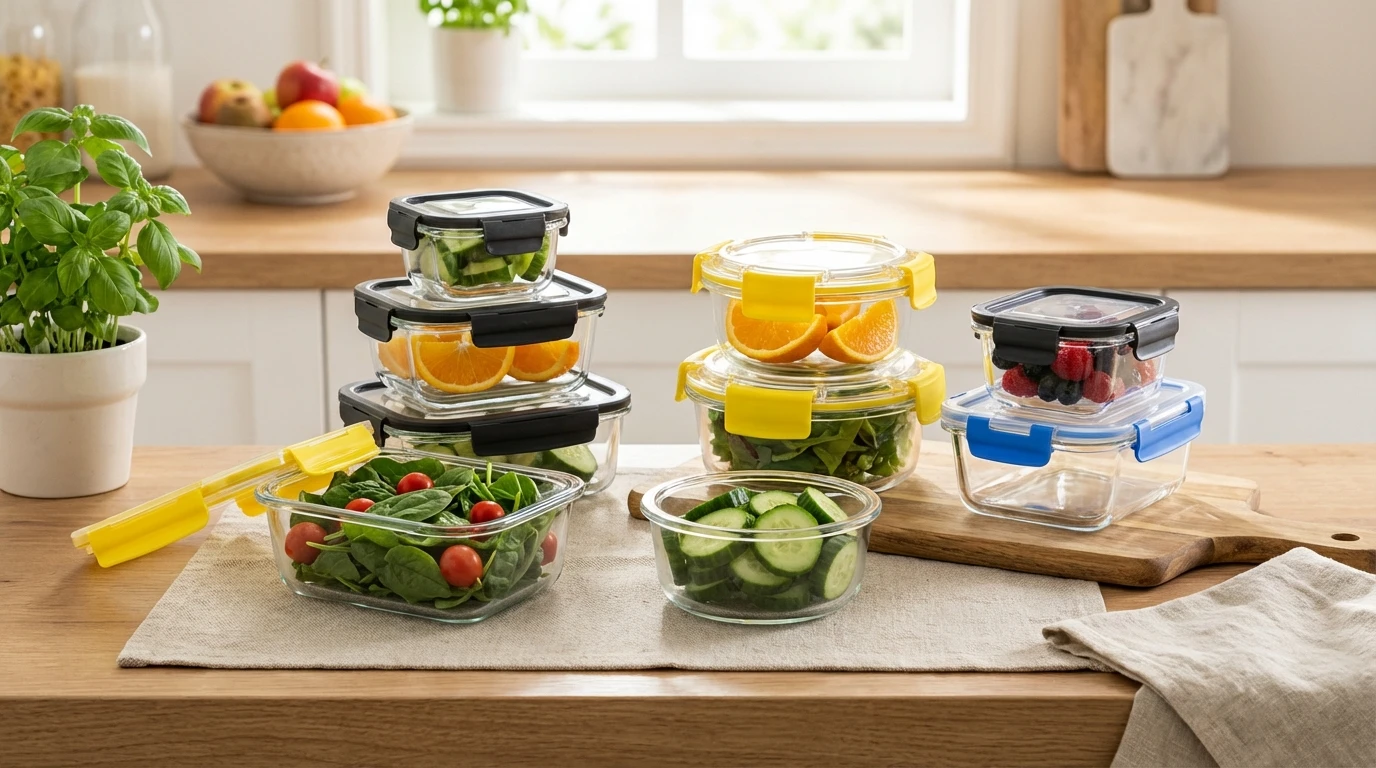
Vacuum Tight Containers: Leakproof, BPA-Free, Reusable
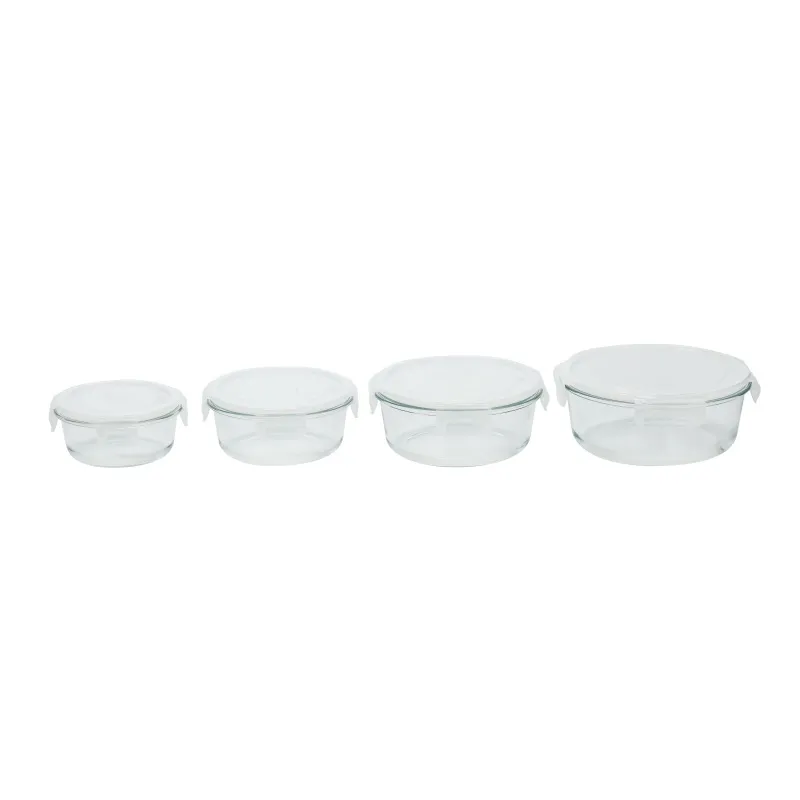
If you’ve been hunting for truly reliable food storage, Vacuum Tight Containers are where the industry has quietly converged. I’ve toured more factories than I can count, and the combo of borosilicate glass + precision lid engineering keeps winning. The model below—made in Shijiazhuang, Hebei—has become a bit of an insider pick among product managers and meal-prep diehards, honestly for good reasons.
What’s new in the category
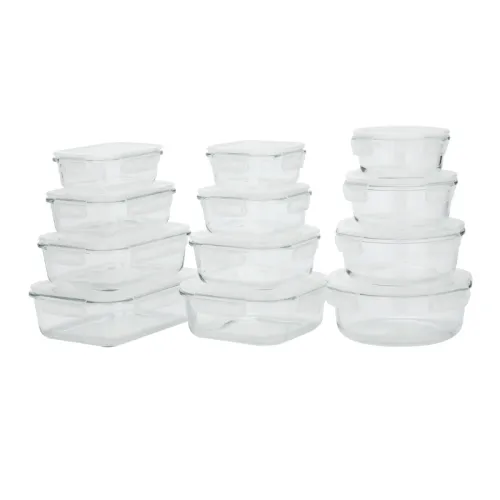
Trends? Two stand out: higher thermal shock tolerance and leak-proof lids that hold a partial vacuum without fuss. Many customers say they want freezer-to-oven safety without babying the container, and—surprisingly—quiet venting for microwaves. This unit’s upturning vent and silicone gasket hit both points. Also, brands are racing to show real test data instead of vague claims (finally).
Product snapshot
| Product | Glass Food Storage Container with Food-grade Plastic Lid |
| Glass | High borosilicate (ASTM E438 Type I, Class A ≈), -20℃ to 560℃; thermal shock ≈120℃ |
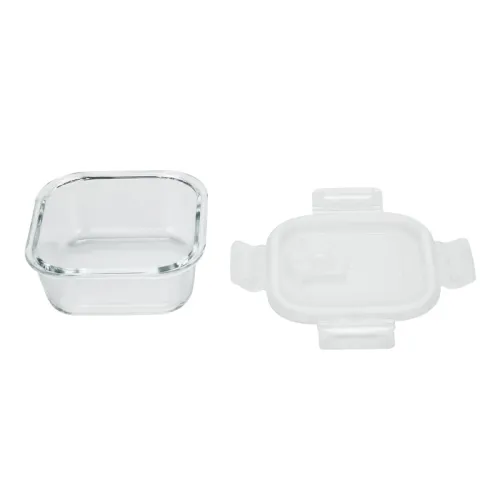
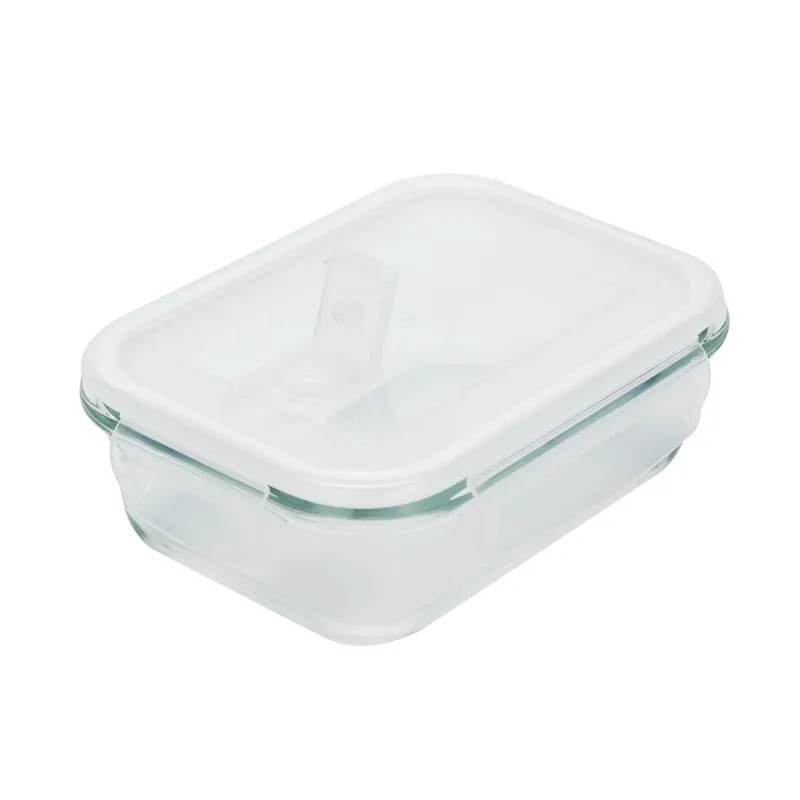
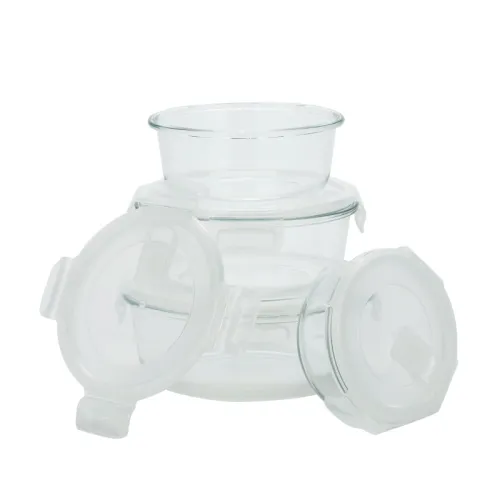
| Lid | One-piece PP with upturning vent; food-grade silicone gasket |
| Vacuum/Leak Tightness | Vacuum-decay tested (ASTM F2338 ≈); typical leakage ≤1.0E-3 mbar·L/s in lab; real use may vary |
| Compatibility | Microwave, oven, freezer, dishwasher |
| Safety | BPA-free, lead-free; FDA, LFGB, EU, DGCCRF compliant |
| Origin | Room 8019, Hengju Building, No.473 Zhonghua S. St., Shijiazhuang, Hebei, China |
How it’s made (quick process flow)
Materials: borosilicate cullet → high-clarity melt → press/mold forming → annealing → edge fire-polish → PP lid injection molding → silicone gasket molding → assembly. Tests: thermal shock cycle (ΔT≈120℃), vacuum-decay leak check (ASTM F2338), drop test on filled unit (≈0.5–1.0 m), dishwasher cycles (≈1000), migration tests per EU 1935/2004 & LFGB. Expected service life: around 5–10 years in normal kitchen use.
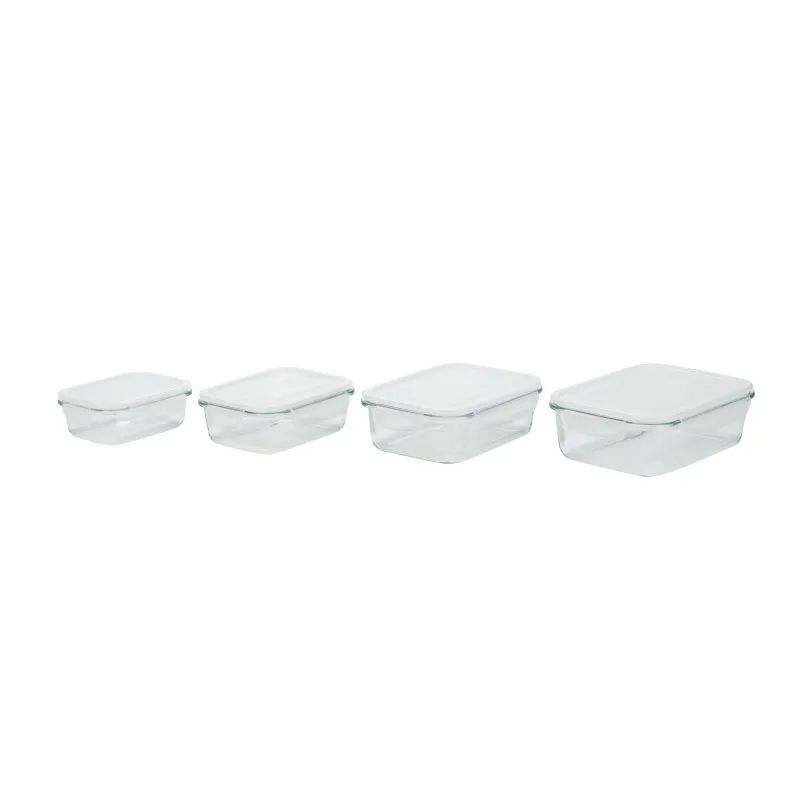
Vendor landscape at a glance
| Vendor | Material | Vacuum/Leak Performance | Customization |
|---|---|---|---|
| Yinto (Hebei) | Borosilicate + PP + silicone | Vacuum-decay tested; good seal retention | Logos, sizes (≈370–1520 ml), gasket colors |
| Brand A (Global) | Tempered soda-lime | Decent seal; lower thermal shock margin | Limited shapes |
| Brand B (Stainless) | SS + silicone | Strong clamp seals; opaque | Moderate; no oven glass benefit |
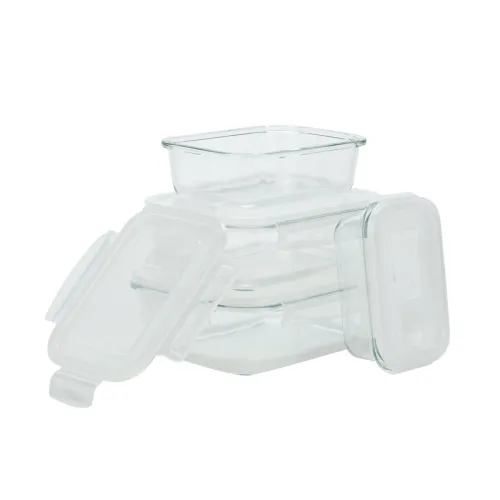
Where they shine
Meal prep, batch sauces, sous-vide marinating (quick vacuum via hand pump), coffee/tea freshness, campus lunch (no worrying about leaks), even small lab samples (non-hazardous). Many users note “no odors, no stains,” which tracks with borosilicate’s low porosity.
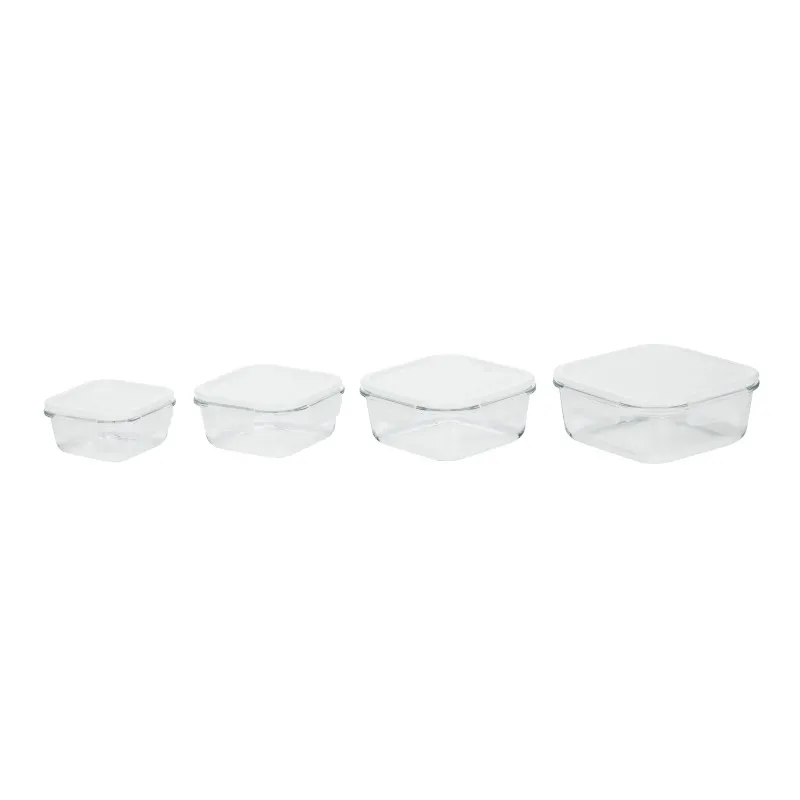
Real-world case study
A boutique meal service in Berlin swapped to Vacuum Tight Containers to curb spills and food waste. Over 8 weeks, returns showed seal integrity ≥98.7% after courier handling; average vacuum retention at -60 kPa after 24h with ≈0.8% loss (n=120, internal test; room temp). Customer complaints about leakage fell by about two-thirds. Not bad.
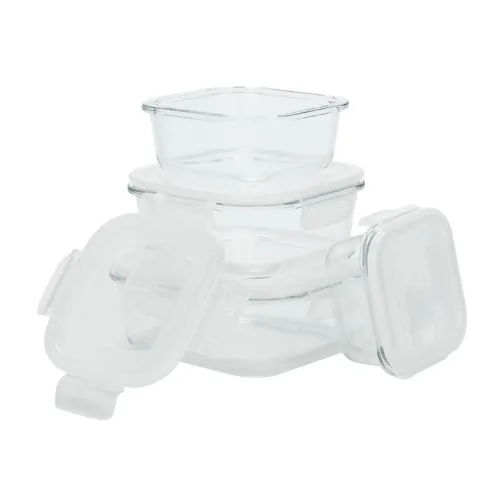
Customization & QA
Options: sizes, gasket durometer (≈40–60 Shore A), colorways, logo printing, carton spec. QA gates: AQL visual, vacuum-decay (sampling), thermal cycle, dishwasher 1000x, migration tests. Certifications: FDA food-contact for PP and silicone, LFGB, EU 1935/2004, DGCCRF.
Why this model
The magic is boring engineering: borosilicate’s low CTE, a PP lid that won’t warp in the dishwasher, and a silicone geometry that keeps line pressure even when you draw down a light vacuum. It’s not flashy, but it works.
Citations
- FDA 21 CFR 177.1520 – Olefin polymers (PP) for food contact
- FDA 21 CFR 177.2600 – Rubber articles for repeated use (silicone gaskets)
- ASTM F2338 – Nondestructive detection of leaks by vacuum decay
- EU Regulation (EC) No 1935/2004 – Food contact materials
- LFGB (Germany) – Food and Feed Code overview
- Borosilicate glass thermal properties (reference data)
-
Ultimate Guide to Choosing Big Glass Storage Containers for Every NeedNewsApr.16,2026
-
Small Glass Lunch Containers Guide for Healthy Meal PrepNewsApr.09,2026
-
Comprehensive Guide to Choosing the Best Storage Containers for Dishes and GlassesNewsApr.07,2026
-
Selecting The Optimal 300ml Food Containers For Your Business NeedsNewsApr.04,2026
-
Discover the Benefits of Durable 3 Cup Glass Food Storage ContainersNewsMar.31,2026
-
Comprehensive Guide to Choosing Superior Glass Divided Food ContainersNewsMar.28,2026
![[Extra Large with Handle] Oven Safe Glass Food Storage Container with Airtight Locking Lid & Handle, Oven Safe Dishwasher Safe](https://images.exportstart.com/images/a1251/extra-larger-glass-container-with-snap-locking-lid-164.webp "[Extra Large with Handle] Oven Safe Glass Food Storage Container with Airtight Locking Lid & Handle, Oven Safe Dishwasher Safe")
![[All Microwave Safe] High Borosilicate Glass Food Storage Container , Oven Safe without Lid, Dishwasher Safe](https://images.exportstart.com/images/a1251/squre-glass-container-with-glass-lid-518.webp "[All Microwave Safe] High Borosilicate Glass Food Storage Container , Oven Safe without Lid, Dishwasher Safe")
![[Sliding Vent PP Lid] Borosilicate Glass Food Storage Containers with Food-grade Plastic Lid, Airtight, Leak Resistant](https://images.exportstart.com/images/a1251/glass-food-storage-container-with-airtight-lid-183.webp "[Sliding Vent PP Lid] Borosilicate Glass Food Storage Containers with Food-grade Plastic Lid, Airtight, Leak Resistant")
![[Large Skylight Glass Lid] Glass Food Storage Container, Oven Safe with Lid, BPA Free, 100% Leak resistant](https://images.exportstart.com/images/a1251/glass-lid-food-storage-container-1-1-196.webp "[Large Skylight Glass Lid] Glass Food Storage Container, Oven Safe with Lid, BPA Free, 100% Leak resistant")
![[Colorful Vent PP Lid] Glass Food Storage Container, BPA Free, Leakproof, Dishwasher Safe](https://images.exportstart.com/images/a1251/002-1-639.webp "[Colorful Vent PP Lid] Glass Food Storage Container, BPA Free, Leakproof, Dishwasher Safe")
![[Color Vent PP Lid] Borosilicate Glass Food Storage Container, Leakproof, Dishwasher Safe](https://images.exportstart.com/images/a1251/1-941.webp "[Color Vent PP Lid] Borosilicate Glass Food Storage Container, Leakproof, Dishwasher Safe")
![[Vacuum AS] Food Storage Container with Pump](https://images.exportstart.com/images/a1251/7-1-397.webp "[Vacuum AS] Food Storage Container with Pump")