 TEL: +86 18903393212
 Email: tina@yintoglassware.com

Sustainable Choice: Glass Drinking Bottle with Bamboo Lid for Health & Eco-Friendly Living
What’s So Special About the Glass Drinking Bottle with Bamboo Lid?
We all know hydration bottles come in all shapes and sizes, but combining glass with a bamboo lid isn’t just about looks—it’s a symbol of a subtle shift in how we think about sustainability, health, and global resource use. Frankly, in a world where plastic pollution is a nightmare, understanding the value of a glass drinking bottle with bamboo lid is more important than ever. This little product touches on environmental responsibility, personal safety, and even cultural trends around natural materials.
Globally, issues like plastic waste are pushing consumers and industries towards alternatives that are biodegradable or reusable. The UN Environment Programme estimates that over 300 million tons of plastic waste is produced every year, much of it from single-use bottles alone. So, choosing a drinking bottle that uses glass and bamboo isn’t just trendy—it’s a practical nod to tackling a massive challenge.[1]
The Global Scene: Why Glass Drinking Bottles with Bamboo Lids Matter
When you zoom out, the demand for eco-friendly personal products like glass bottles with sustainable components is skyrocketing. ISO standards for food-safe packaging now increasingly recommend natural and durable materials. Consumers in regions like Europe and North America show particularly strong preference for reusable, toxin-free water bottles, influencing manufacturers worldwide.
But this shift isn’t just consumer-driven. Certain industries—like health care, hospitality, and even humanitarian aid—are adopting glass bottles fitted with bamboo lids to reduce waste and chemical leaching from plastics.
Challenge alert: Plastic lids and cheap caps have a nasty habit of disintegrating or contaminating water. Bamboo caps, meanwhile, offer a sturdy, natural alternative that’s biodegradable and adds an earthy aesthetic many find calming and trust-inspiring.
What Exactly Is a Glass Drinking Bottle with Bamboo Lid?
Put simply, it’s a reusable water or beverage bottle made from borosilicate or soda-lime glass (which withstands temperature changes), paired with a cap carved or pressed from bamboo. The lid often includes a silicone seal to ensure leak-proof performance while the bamboo adds renewable, antimicrobial, and biodegradable properties.
In modern terms, it’s part of a growing category of zero-waste, eco-conscious lifestyle products. Think of it as a marriage of industrial chemistry and sustainable forestry practices. NGOs, cafes, and eco-brands champion these bottles for their reduced carbon footprint and health-safe characteristics compared to plastics or metals.
Mini takeaway:
- A glass drinking bottle with bamboo lid blends functionality with sustainability.
- It’s a modern product rooted in eco-awareness and safe consumer design.
Key Components That Make All the Difference
Durability – Not Just “Fragile Glass” Anymore
Typical glass feels delicate, but the bottles use treated borosilicate glass designed to resist thermal shocks and impact better than you’d expect. This means your glass bottle can handle daily knocks, kitchen mishaps, and even being tossed in a gym bag if you’re lucky.
Natural Bamboo Lid – More Than Just a Pretty Face
Bamboo’s rapid growth and low maintenance makes it an ideal renewable resource. Plus, it’s naturally antibacterial – a smart feature for something in contact with your mouth and potentially sticky drinks. Coated with food-safe varnishes, these lids keep moisture and swelling at bay without plastic.
Seal & Leak Prevention
The bamboo lid typically includes a silicone ring. This seal is critical because bamboo alone can’t ensure a tight fit around the neck—often the spot for annoying leaks.
Eco-friendliness & Renewability
This combo addresses waste at multiple points – glass is 100% recyclable and bamboo decomposes naturally. Compared to plastic bottles, the lifecycle impact is far less harmful, which is why supply chains from Asia and Europe alike are incorporating such bottles in larger eco-product lines.
Health Safety & Chemical Neutrality
Glass doesn’t off-gas chemicals, resist staining and retains beverage flavors well. Bamboo lids avoid the BPA and phthalates concerns prevalent in plastic caps, making it a safer choice for children and adults with sensitivities.
Mini takeaway:
- Durability, safety, and sustainability meet in smart design details.
- The bamboo lid complements the bottle’s eco-strength while ensuring user convenience.
Global Applications and Use Cases of Glass Drinking Bottles with Bamboo Lids
Ironically, these bottles have made inroads well beyond just everyday consumers. For instance:
- Disaster Relief Operations: NGOs provide reusable hydration solutions with less plastic waste in vulnerable zones.
- Corporate Wellness Programs: Companies promote eco-friendly bottles to reduce office plastic use, enhancing brand social responsibility.
- Eco-Tourism and Hospitality: Sustainable resorts use branded glass bottles to boost guest experience and lower single-use plastics.
- Remote Industrial Zones: Durable and safe, these bottles are ideal where clean water storage is essential.
In Asia, bamboo-grown regions like parts of China and Vietnam supply many bottle caps, driving circular economies while meeting sustainability goals. Europe and the US lead in eco-conscious consumption, driving innovation in glass bottle design and bamboo finishing.[2]
Mini takeaway:
- Applications range widely—from humanitarian to luxury hospitality.
- The bottle design solves real challenges in industrial and everyday life.
Advantages and Long-Term Value of Choosing a Glass Drinking Bottle with Bamboo Lid
Choosing this bottle type offers many benefits:
- Cost savings: Though priced higher up-front, these reusable bottles lower long-term expenses by replacing disposable plastic bottles.
- Sustainability: Using renewable bamboo means less strain on forests and landfills.
- Health & Safety: No chemical contaminants leach into drinks.
- Social Impact: Drives market demand for responsible materials, supporting bamboo farming communities and eco-manufacturers.
- Reliable Performance: It’s leak-proof, durable, and user-friendly.
- Emotional appeal: The tactile warmth of bamboo versus cold metal or plastic builds trust and pleasure from the user’s perspective.
Glass Drinking Bottle with Bamboo Lid: Product Specification Table
| Feature | Specification |
|---|---|
| Material (Bottle) | Borosilicate Glass / Soda-lime Glass |
| Material (Lid) | 100% Natural Bamboo, Food-grade Silicone Seal |
| Capacity | 350ml, 500ml, 750ml Variants |
| Temperature Resistance | -20°C to 150°C |
| Leakproof | Yes, via Silicone Seal |
| Cleaning | Handwash Lid Recommended, Dishwasher Safe Bottle |
Vendor Comparison: Picking the Right Supplier
| Vendor | Material Quality | Price Range (USD) | Customization | Eco Certifications |
|---|---|---|---|---|
| EcoSip Co. | Premium Borosilicate | $12 - $18 | Logo engraving & color lids | FSC Bamboo, BPA Free |
| GreenNest Essentials | Soda-lime Glass | $8 - $14 | Custom print labels | Organic Bamboo Sourcing |
| Yinto Glassware | High-grade Borosilicate | $10 - $16 | Bulk OEM, custom lids | ISO, FSC Certified Bamboo |
Emerging Trends and Innovations
On the horizon, expect to see:
- Smart Bamboo Caps with embedded NFC tags for product tracking and user engagement—helping brands tell their sustainability story through mobile scanning.
- Improved Coatings making bamboo lids super water-resistant without losing biodegradability—this sounds like sci-fi, but it’s happening.
- Modular Bottle Designs allowing interchangeable bamboo caps and glass bodies tailored for temperature control or infusion.
- Eco-certification Advances driving transparency in the supply chain to verify bamboo harvesting practices and carbon footprint.
One can’t help but feel optimistic about how new materials and tech merge thoughtfully with tradition to create better everyday items.
Obstacles We Still Face and How to Fix Them
However, it’s not all smooth sailing:
- Fragility Concern: Glass will never be as tough as stainless steel or hard plastic. Protective sleeves or silicone bumpers are solutions vendors often promote.
- Bamboo Lid Longevity: Bamboo, being organic, eventually wears out or cracks if overexposed to water or sun. Keeping it dry and occasionally treating with natural oils helps.
- Cost Factor: Some customers balk at the higher price compared to plastic bottles. Educating buyers about long-term benefits and ecological impact can turn the tide.
In real terms, these challenges aren’t deal-breakers but reminders that there’s always room to improve. Manufacturers are listening and innovating quickly.
FAQ: Your Burning Questions About Glass Drinking Bottles with Bamboo Lids
- Q1: How durable is a glass drinking bottle with bamboo lid for everyday use?
- A: Modern borosilicate glass used in these bottles is shock-resistant and temperature tolerant, making it quite durable with everyday handling. However, dropping from a significant height may still cause breakage, so use protective sleeves for added security.
- Q2: Are bamboo lids safe to use with hot liquids?
- A: Yes, bamboo lids are safe for hot liquids since bamboo has natural insulating properties. Just be sure to allow the bottle to cool somewhat before closing the lid tightly to prevent steam damage to the seal over time.
- Q3: Can I customize bamboo lids with my brand logo?
- A: Absolutely. Most manufacturers offer laser engraving or print options on bamboo lids, perfect for corporate gifts or product lines aimed at eco-conscious customers.
- Q4: How do I care for the bamboo lid to make it last longer?
- A: Avoid prolonged soaking. Hand wash quickly with mild soap and dry thoroughly. Occasionally applying food-safe mineral oil will help maintain the bamboo’s smooth finish and prevent cracking.
- Q5: Is it better to buy a glass bottle with bamboo lid over plastic bottles?
- A: Definitely, from a health and environmental standpoint. Glass is inert and won't leach chemicals, and bamboo lids break down naturally, unlike plastic which contributes to pollution. The slight premium pays off in safety and sustainability.
Wrapping Up: Why Your Next Bottle Should Be a Glass Drinking Bottle with Bamboo Lid
In the end, the choice to embrace a glass drinking bottle with bamboo lid isn’t just a style statement—it’s a small, daily vote for sustainability, health, and mindful consumer behavior. You probably won’t singlehandedly solve the plastic crisis, but your bottle is a quiet ambassador of better values.
Don’t forget: the market is rich with options, from fancy boutique bottles to sturdy industrial ones. Whatever your needs, there’s likely a glass-and-bamboo solution ready to suit your lifestyle or corporate mission.
So, ready to upgrade? Visit our website: https://www.yintoglassware.com and discover the perfect eco-friendly bottle for your hydration needs.
References:
-
Ultimate Guide to Choosing Big Glass Storage Containers for Every NeedNewsApr.16,2026
-
Small Glass Lunch Containers Guide for Healthy Meal PrepNewsApr.09,2026
-
Comprehensive Guide to Choosing the Best Storage Containers for Dishes and GlassesNewsApr.07,2026
-
Selecting The Optimal 300ml Food Containers For Your Business NeedsNewsApr.04,2026
-
Discover the Benefits of Durable 3 Cup Glass Food Storage ContainersNewsMar.31,2026
-
Comprehensive Guide to Choosing Superior Glass Divided Food ContainersNewsMar.28,2026
![[Extra Large with Handle] Oven Safe Glass Food Storage Container with Airtight Locking Lid & Handle, Oven Safe Dishwasher Safe](https://images.exportstart.com/images/a1251/extra-larger-glass-container-with-snap-locking-lid-164.webp "[Extra Large with Handle] Oven Safe Glass Food Storage Container with Airtight Locking Lid & Handle, Oven Safe Dishwasher Safe")
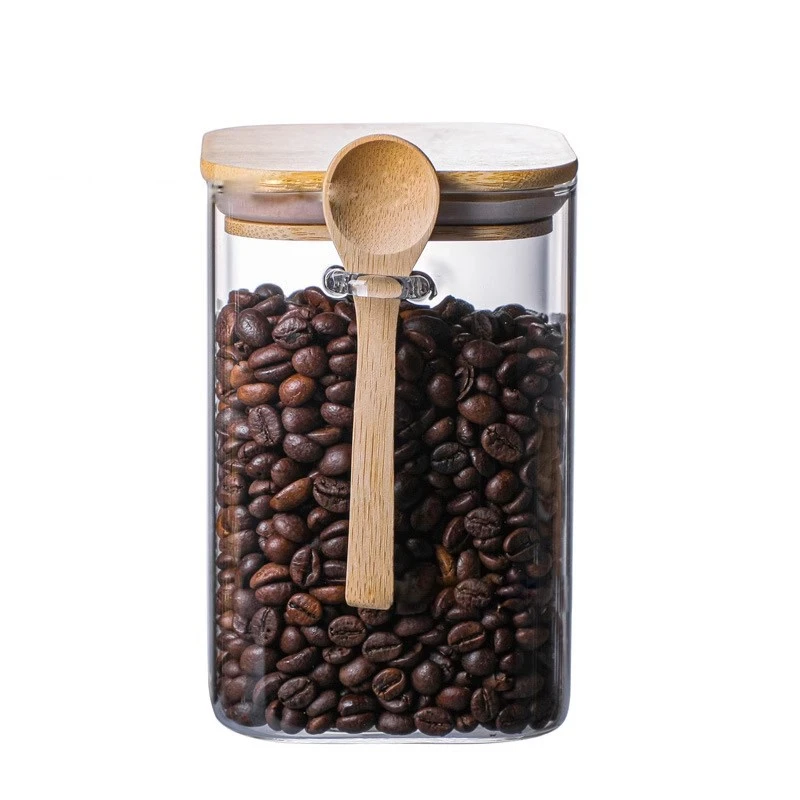
![[All Microwave Safe] High Borosilicate Glass Food Storage Container , Oven Safe without Lid, Dishwasher Safe](https://images.exportstart.com/images/a1251/squre-glass-container-with-glass-lid-518.webp "[All Microwave Safe] High Borosilicate Glass Food Storage Container , Oven Safe without Lid, Dishwasher Safe")
![[Sliding Vent PP Lid] Borosilicate Glass Food Storage Containers with Food-grade Plastic Lid, Airtight, Leak Resistant](https://images.exportstart.com/images/a1251/glass-food-storage-container-with-airtight-lid-183.webp "[Sliding Vent PP Lid] Borosilicate Glass Food Storage Containers with Food-grade Plastic Lid, Airtight, Leak Resistant")
![[Large Skylight Glass Lid] Glass Food Storage Container, Oven Safe with Lid, BPA Free, 100% Leak resistant](https://images.exportstart.com/images/a1251/glass-lid-food-storage-container-1-1-196.webp "[Large Skylight Glass Lid] Glass Food Storage Container, Oven Safe with Lid, BPA Free, 100% Leak resistant")
![[Colorful Vent PP Lid] Glass Food Storage Container, BPA Free, Leakproof, Dishwasher Safe](https://images.exportstart.com/images/a1251/002-1-639.webp "[Colorful Vent PP Lid] Glass Food Storage Container, BPA Free, Leakproof, Dishwasher Safe")
![[Color Vent PP Lid] Borosilicate Glass Food Storage Container, Leakproof, Dishwasher Safe](https://images.exportstart.com/images/a1251/1-941.webp "[Color Vent PP Lid] Borosilicate Glass Food Storage Container, Leakproof, Dishwasher Safe")
![[Vacuum AS] Food Storage Container with Pump](https://images.exportstart.com/images/a1251/7-1-397.webp "[Vacuum AS] Food Storage Container with Pump")