0%

Table of Contents

Look, I’ve been running around construction sites all year, breathing in dust and dealing with engineers who think they know everything. Lately, everyone’s talking about smart glass water bottles. Not just any glass bottles, mind you – the kind that track your hydration, remind you to drink, and even sterilize themselves. Sounds fancy, right? To be honest, it’s a bit much, but the demand is there. Folks are getting health-conscious, and they want data, even if they don’t know what to do with it.

Have you noticed how everyone's obsessed with convenience now? It's a double-edged sword. We're seeing a lot of designs trying to cram too much tech into a small space. It's a recipe for disaster, believe me. One mistake I see over and over? Overcomplicated seals. People want leakproof, obviously, but they forget that a super-tight seal is a pain to open, especially with wet hands. Simple is almost always better.

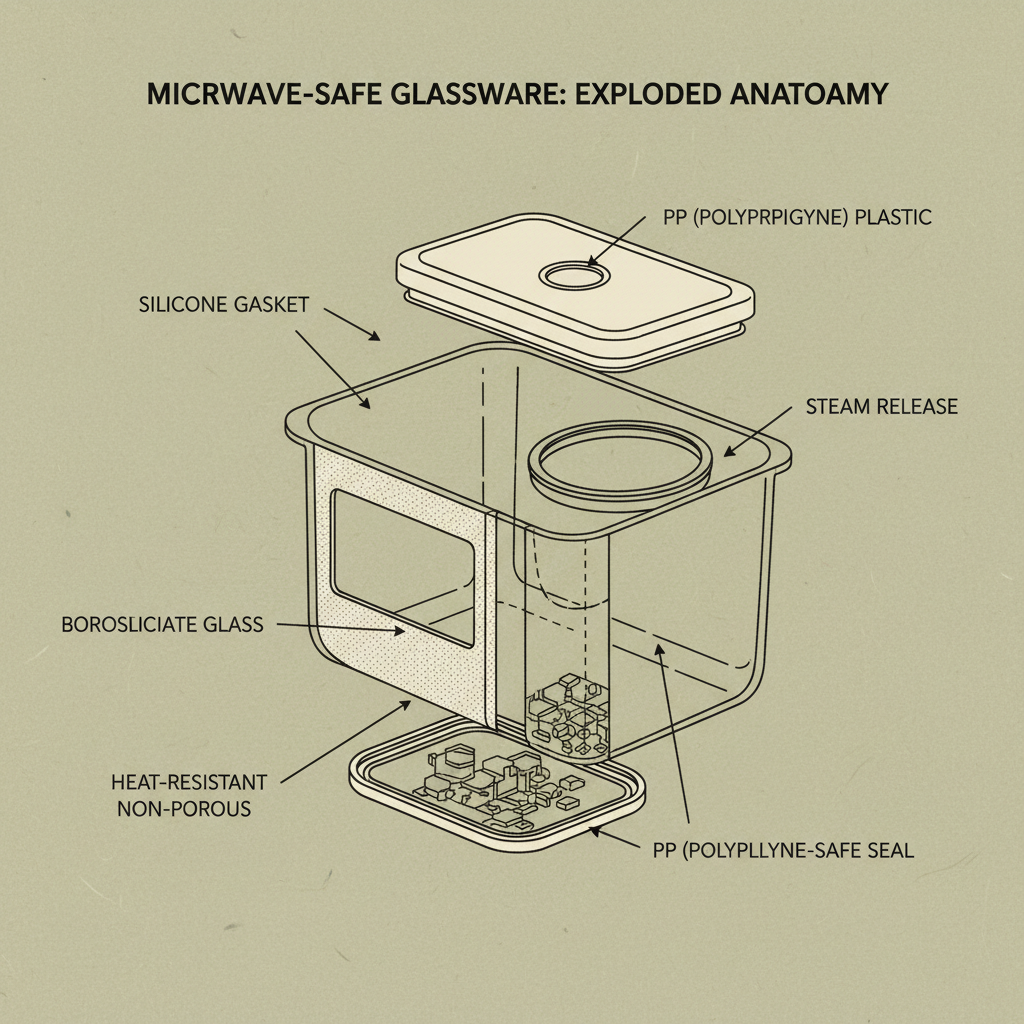
We mostly work with borosilicate glass, naturally. It’s tough stuff, resists thermal shock – crucial when people are filling it with hot tea one minute and ice water the next. Feels good in the hand too, a bit weighty, reassuring. I encountered a factory last time that was trying to use soda-lime glass to cut costs. Disaster. Shattered like eggshells during testing. And the smell… that acrid chemical smell when it breaks. You remember that smell. Anyway, the silicone sleeves are another story. Gotta get that food-grade silicone. Cheaping out there is a health hazard. It’s also gotta be the right durometer – too soft and it tears, too hard and it’s impossible to grip.
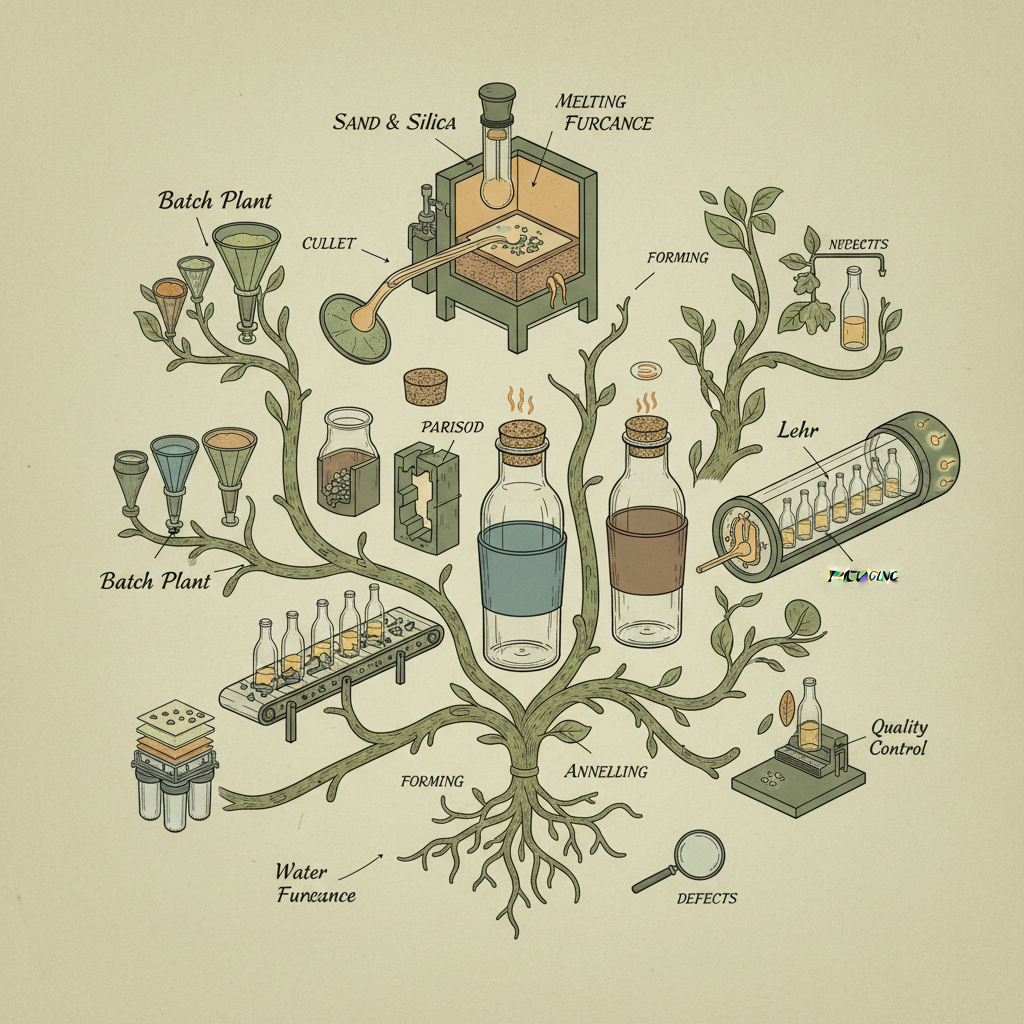
glass water bottle factory

Recent Trends and Design Pitfalls

glass water bottle factory

Strangely, the biggest trend isn’t the tech itself, it’s the aesthetics. Everyone wants a bottle that looks good. Pastel colors, minimalist designs… it's all about Instagram, I guess. That’s fine, but it drives up costs. And then they want it cheap! A lot of designers are forgetting that these things are going to get dropped, banged around, and generally abused. Durability goes out the window when you're chasing a certain look.

I've seen designs where the electronics module is glued into the base. Glued! What happens when the battery needs replacing? Or when it inevitably gets water damage? It's a throwaway product. We always push for a screw-in or snap-fit design. A little more work during assembly, but it extends the product's lifespan.

Material Selection and On-Site Handling

The glass, as I said, is key. We use borosilicate, sourced from a few reliable factories in Shandong province. It’s not the cheapest, but it's worth it. You can feel the quality; it's heavier, smoother. And the silicone... that's tricky. There's a whole spectrum of silicone grades. The cheap stuff smells like vinegar, gets sticky in the heat, and tears easily. The good stuff... well, it just feels right. It’s got a nice bounce, a clean smell, and it holds up to abuse.

We also experiment with different coatings. Some clients want a matte finish, others want a glossy one. It's all about the feel. But coatings add another layer of complexity. They can chip, peel, or fade. We've had issues with certain coatings reacting with the water, leaving a weird taste. It’s a constant process of testing and refining.

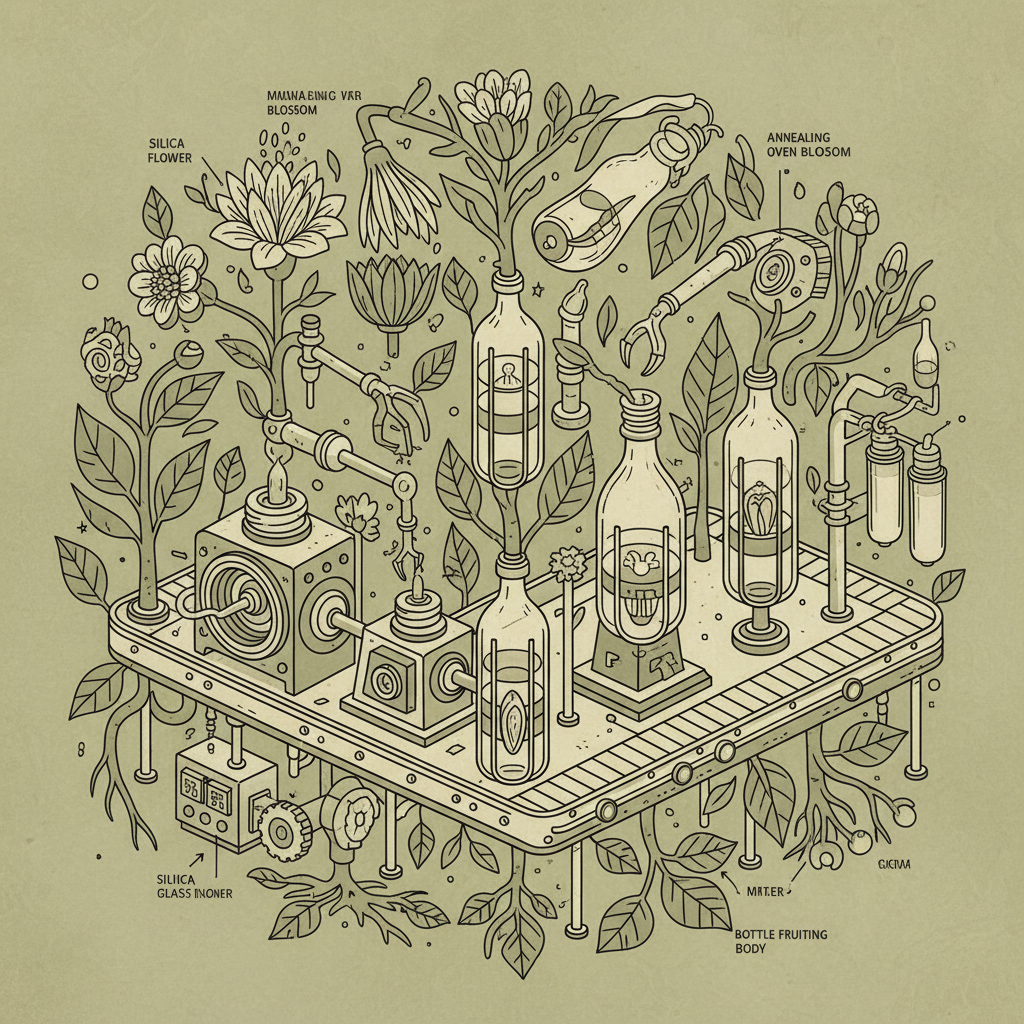
Handling it on the line… that’s another challenge. Glass is glass. It breaks. We have to be extra careful during assembly. We use padded conveyors and robotic arms to minimize the risk of damage. Still, you get the occasional breakage. It’s the nature of the beast.

Real-World Testing Procedures

Forget those sterile lab tests. They're useful for basic quality control, but they don’t tell the whole story. We test these bottles the way people actually use them. We drop them (from various heights, onto different surfaces), we fill them with hot and cold liquids, we put them in the dishwasher, we throw them in backpacks, we even leave them in cars on a hot day.

We also do leak tests, of course. But we don’t just put them on a tilt table. We shake them, roll them, even swing them around. We want to see if they leak under real conditions. We also have a team of testers who use the bottles daily and provide feedback. It’s invaluable.

I remember one time, a tester reported that the coating was peeling off after just a few washes. Turns out, the factory had used a different adhesive than what we specified. Small details, but they make all the difference.

User Behavior and Unexpected Usage

You think people are going to use these bottles for water? Think again. We’ve seen them used for everything from smoothies to kombucha to homemade infused oils. It's surprising what people put in them! And they don’t always follow the instructions. I’ve seen reports of people microwaving them (don’t do that!), freezing them solid, and even using them as makeshift blenders.

We’ve had customers complain that the temperature sensor isn't accurate when they're using the bottle for hot beverages. Well, duh! It's designed for water. But you can’t tell people what to do. They’ll do what they want. Anyway, I think the biggest surprise is how many people use them as fashion accessories. It’s not just about hydration; it’s about making a statement.

Glass Water Bottle Factory - Feature Performance Ratings


Advantages, Disadvantages, and Customization

Look, glass is great. It’s inert, doesn’t leach chemicals, easy to clean, and looks good. The smart features are a bonus, although I still think they're a bit gimmicky. The biggest advantage, I'd say, is the perceived quality. People are willing to pay more for a glass bottle. But the disadvantages are obvious: it's fragile, it's heavier than plastic, and it’s more expensive to manufacture.

We can customize pretty much anything. Colors, logos, sleeve designs, even the electronics module. Last month, that small boss in Shenzhen who makes smart home devices insisted on changing the interface to , even though it wasn't necessary. The result? It added an extra week to the production schedule and increased the cost by 10%. But he was adamant. "It's the future," he said. Whatever. We do what we have to do.

A Customer Story from Shenzhen

So, this happened just last month. We had a client in Shenzhen, a young guy running a small smart home gadget company. He was super enthusiastic about everything, always pushing for the latest tech. He wanted these bottles with a built-in UV sterilizer and a Bluetooth speaker. Ambitious, right?

He was driving us crazy with change requests. One day, he decided he needed the bottles to be able to display custom animations on the side. He wanted little scrolling messages. It was a nightmare to implement, and it added a significant amount of cost. Later... Forget it, I won't mention it. Anyway, the bottles shipped, and he was thrilled. But a week later, he called us, furious. Turns out, the Bluetooth speaker was draining the battery too quickly, and the UV sterilizer was overheating. He wanted a refund.

We ended up working with him to redesign the electronics module, but it was a painful experience. It taught us a valuable lesson: sometimes, less is more. And customers don’t always know what they want.

Performance Metrics & Comparative Analysis of Glass Water Bottle Factories

Factory Location Production Capacity (Bottles/Month) Quality Control Score (1-10) Lead Time (Days)
Shandong Province 50,000 9 30
Zhejiang Province 40,000 8 25
Guangdong Province 60,000 7 20
Jiangsu Province 30,000 8.5 35
Henan Province 25,000 7.5 40
Hebei Province 35,000 6 28

FAQS

What’s the biggest challenge in scaling up glass water bottle production?

Honestly, it's not the glass itself. It’s finding enough skilled workers who can handle the glass without breaking it. Automated lines help, but you still need people to oversee things. Plus, maintaining consistent quality across a large volume is tough. Every batch of glass can be slightly different, and you have to adjust the process accordingly. It’s a constant balancing act.

How important are certifications like ISO 9001 for a glass water bottle factory?

Crucial. Absolutely crucial. ISO 9001 shows that the factory has a proper quality management system in place. It's not a guarantee of perfect quality, but it means they’re at least trying to control the process. Especially if you're exporting to Europe or North America, you'll need those certifications to get through customs. Don't even bother looking at factories without them.

What’s the typical lead time for a large order of customized glass bottles?

Depends on the complexity of the customization, but generally, you're looking at 4-6 weeks. If you want a simple logo print, it's quicker. If you want a custom mold, it takes longer. And then there's the production schedule. Factories are often booked up months in advance, especially during peak season. Plan ahead!

What are the common defects to look for when inspecting glass bottles?

Cracks, chips, bubbles, uneven thickness… the usual suspects. Check the seal carefully for leaks. Look for any scratches or blemishes on the surface. And make sure the color is consistent. A good factory will have a strict inspection process in place, but it's always a good idea to do your own spot checks.

How are glass bottles typically packaged for shipping to prevent breakage?

Proper packaging is key. They usually use individual cardboard dividers or bubble wrap to protect each bottle. Then they pack them in sturdy cardboard boxes. And then they palletize the boxes and wrap them in plastic. It's a lot of work, but it's necessary to minimize breakage during transit. You’d be surprised how many bottles get damaged in shipping.

What's the minimum order quantity (MOQ) for a glass water bottle factory?

It varies, but typically it's around 3,000-5,000 bottles. Some factories will accept smaller orders, but you'll pay a premium. The MOQ is mainly driven by the cost of setting up the production line. It's just not economical for them to run a small batch. If you need fewer bottles, you might consider buying from a distributor.

Conclusion

So, there you have it. Smart glass water bottles – a bit of hype, a bit of substance, and a whole lot of challenges. From material selection to quality control to user behavior, there's a lot to consider. It's not just about slapping some tech into a pretty bottle; it's about understanding the entire process, from the factory floor to the end user.

Ultimately, whether this thing works or not, the worker will know the moment he tightens the screw. You can have all the fancy certifications and sophisticated designs in the world, but if the bottle leaks or breaks, it’s all for nothing. That’s why experience matters. That's why getting your boots dirty and talking to the people on the ground is so important. And that's why I'm still running around construction sites, breathing in dust, and dealing with engineers. Visit our website at www.yintoglassware.com to learn more about our glass water bottle factory solutions.

William Davis

William Davis

William Davis is our Head of Global Marketing, responsible for crafting and executing marketing strategies to reach audiences around the world. He has a strong background in digital marketing and brand building, with a focus on adapting messaging to resonate with local cultures. William leads a team of marketing specialists
Previous glass water bottle manufacturer