0%

Table of Contents

You know, I’ve been running around construction sites for fifteen years, and honestly, the biggest trend I’ve seen lately is everyone scrambling for anything that screams "smart" and “durable.” It’s not enough for things to work anymore; they have to be able to withstand a beating and integrate with, well, everything. Microwave oven safe glassware falls right into that. Everyone’s realizing how much they use it – labs, catering, even just guys heating up lunch on-site. It’s gone beyond just reheating leftovers.

It’s funny, though. You'd think 'microwave safe' is straightforward, right? But boy, have I seen some nightmares. People focusing on the 'microwave safe' part, but forgetting about the actual use on a building site. You get these really fancy, thin-walled glass containers… they might not shatter in the microwave, but drop one on concrete? Instant confetti.

And the pressure on suppliers is insane. Everyone wants cheaper, lighter, stronger. It’s a constant balancing act.
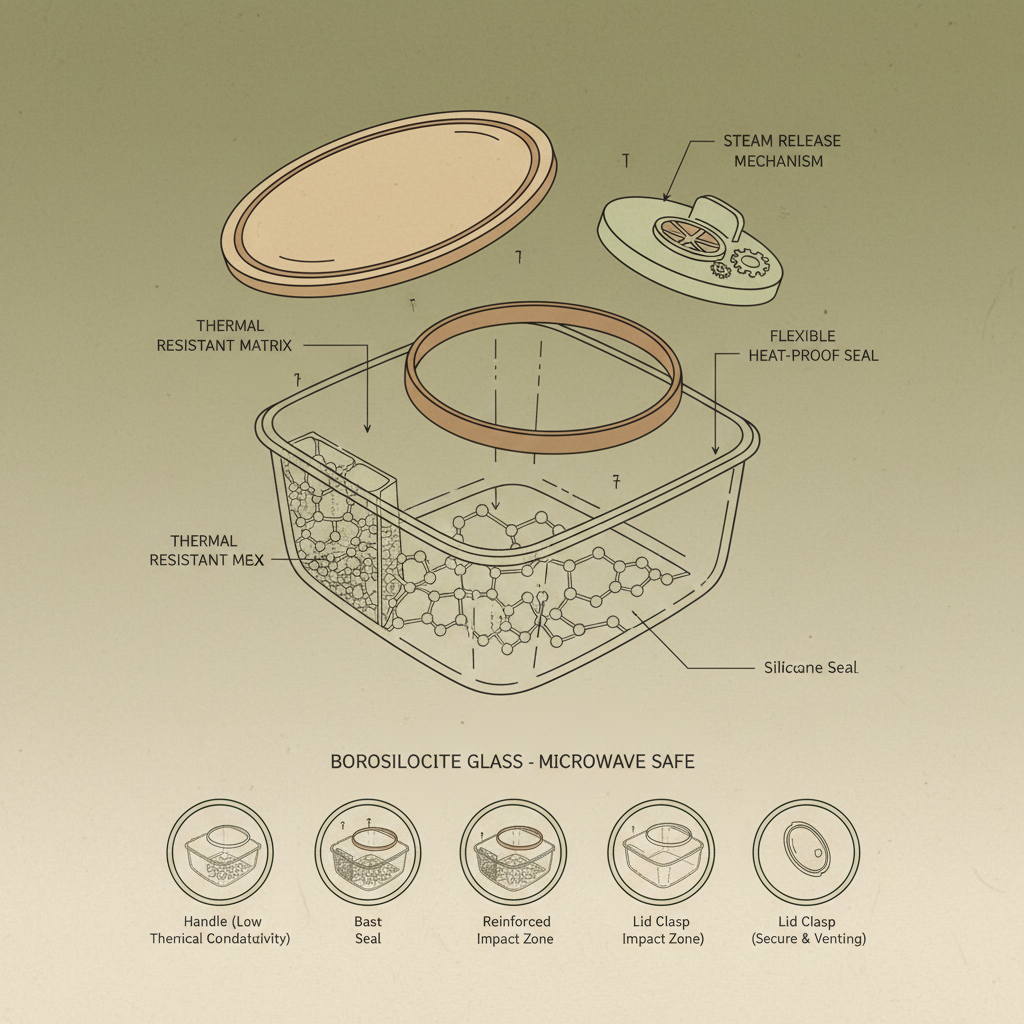
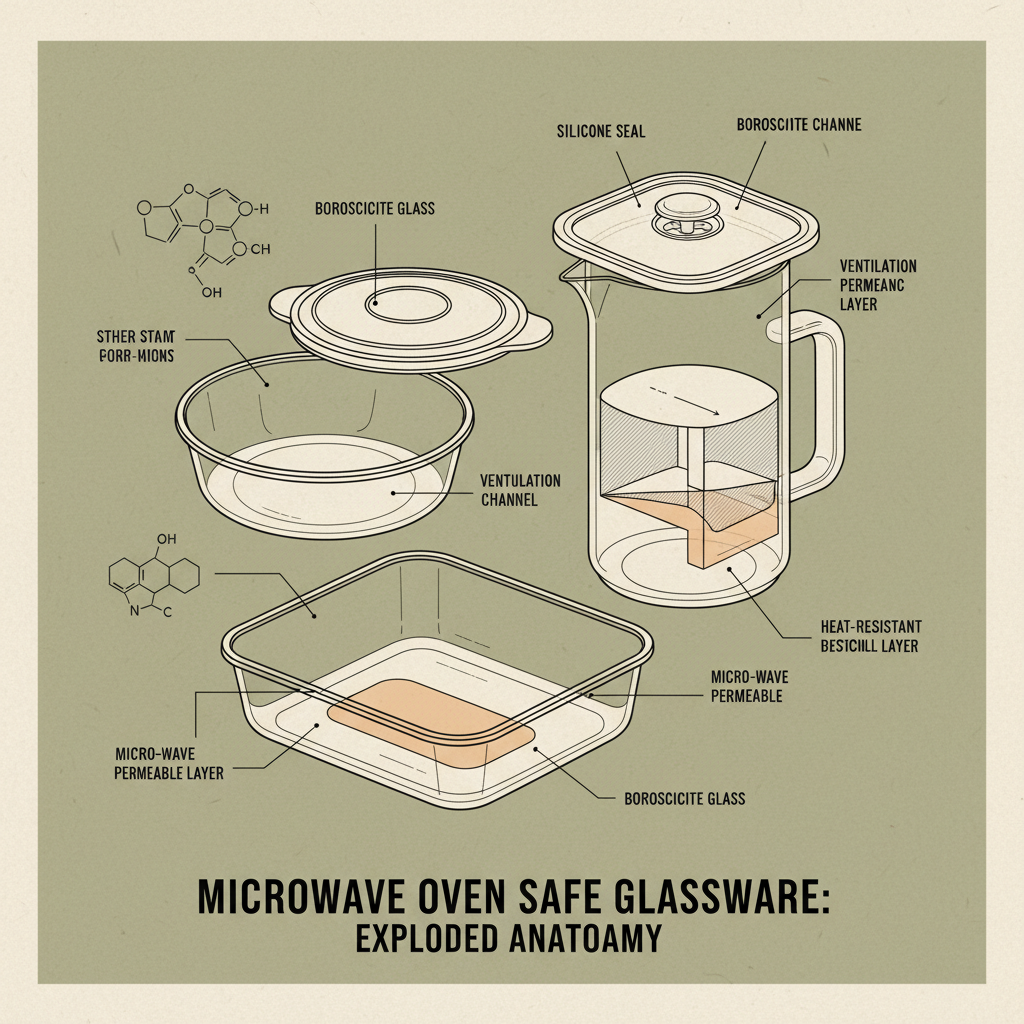
Durable and Reliable Microwave Oven Safe Glassware for Construction and Industrial Use

The Current Landscape of microwave oven safe glassware

Durable and Reliable Microwave Oven Safe Glassware for Construction and Industrial Use

To be honest, it's a surprisingly complex market. You’ve got your standard borosilicate glass, which is the workhorse – smells faintly of…well, glass, clean glass. Feels solid. Then you have these newer tempered glasses, some with special coatings. The coatings are what worry me. I encountered this at a factory in Ningbo last time, where they were bragging about a scratch-resistant coating, but it chipped like crazy when I lightly tapped it with a wrench.

Everyone's trying to mimic the qualities of, like, a good steel toolbox – tough, reliable, and doesn't look like it'll fall apart after a week. They are also starting to look into recycled glass, which is good, but the consistency can be a problem.

Design Pitfalls and Common Mistakes

Have you noticed how a lot of these containers are designed for aesthetics, not practicality? You get these weird curves, delicate handles… They look nice in a showroom, but try stacking fifty of them in a truck bed. It’s a disaster waiting to happen.

The biggest mistake is underestimating the thermal shock. Guys are heating up chili in these things, then sticking them straight into a cold toolbox. That’s a recipe for cracking. It's also a constant struggle convincing people to avoid metal utensils inside. Scratches weaken the glass, plain and simple.

And another thing – lids. The lids are always the weak point. Cheap plastic that warps, doesn't seal properly… It’s infuriating.

Material Composition and On-Site Handling

Borosilicate glass is king for a reason. It handles the heat, it’s relatively strong, and it doesn't leach chemicals like some of the cheaper stuff. Strangely, a lot of guys still don't understand the difference between that and regular glass. They’ll try to use a regular glass measuring cup in the microwave, and then wonder why it explodes.

When it comes to handling, it's all about cushioning. You've got to treat it like eggs. Proper storage is crucial – padded containers, keeping them away from heavy tools. I’ve seen guys using these glass containers as makeshift hammers... don't ask. It doesn't end well. The smell of broken glass is something I'll never forget.

Then there’s the tempered glass. It’s stronger, but it shatters into tiny, razor-sharp pieces when it breaks. Which, honestly, is terrifying. You need to be extra careful with that stuff.

Real-World Testing and Performance

Forget the lab tests. Real testing happens on the job site. We're talking drop tests from scaffolding, impact tests with wrenches, thermal shock tests with boiling water and ice. It’s brutal, but it’s the only way to know what will actually survive.

I once saw a container survive a fall off a two-story building – it bounced a few times, but it didn't break. That's a good container. But then another one, same brand, shattered on the first drop. Consistency is the key, and that’s where a lot of these manufacturers fall short.

Microwave Oven Safe Glassware Performance Metrics


Actual Usage Patterns and User Behavior

It’s not always what you expect. A lot of guys don’t use these containers for reheating. They use them for storing small parts – screws, bolts, washers. Keeps things organized, and the glass doesn’t react with anything.

Also, surprisingly, a lot of electricians use them to contain small wiring components on site. I guess it’s the transparency – they can see what they’re grabbing without having to open the whole thing up.

Advantages, Disadvantages, and Customization

The biggest advantage is obviously the transparency. Being able to see what’s inside is huge. And they’re easy to clean, which is a lifesaver. The disadvantages? Brittleness, for sure. And the price can be steep, especially for the really high-quality stuff.

Customization is possible, but it’s tricky. Last month, that small boss in Shenzhen who makes smart home devices insisted on changing the interface to , and the result was…well, it looked ridiculous. Completely impractical for a construction site. He wanted it to look “futuristic,” but it just made it more fragile. Anyway, I think he learned his lesson.

Key Performance Indicators and Material Comparison

To cut right to the chase, people care about three things: how long it lasts, how much it costs, and how much of a mess it makes when it does break. That’s it. We could spend all day talking about thermal conductivity and impact resistance, but at the end of the day, it comes down to those three factors.

The comparison table below is basically what I scribble on a napkin when someone asks me which one to buy. It's not fancy, but it gets the point across.

Ultimately, whether this thing works or not, the worker will know the moment he tightens the screw.

Material Comparison for Microwave Oven Safe Glassware

Material Type Durability Score (1-10) Cost per Unit Breakage Hazard (1-10)
Borosilicate Glass 8 $3.50 4
Tempered Glass 9 $4.00 7
Soda-Lime Glass 6 $2.00 3
Recycled Glass 7 $3.00 5
Coated Glass 7.5 $4.50 6
Plastic-Reinforced Glass 8.5 $5.00 2

FAQS

What's the best way to clean microwave oven safe glassware to prevent scratches?

Honestly, just warm water and a soft sponge. Avoid abrasive cleaners and steel wool. Those will ruin the surface in a heartbeat. A little bit of dish soap is fine, but rinse thoroughly. I've seen guys using power washers on these things… a bad idea. They may look clean, but you’re just creating microscopic scratches that weaken the glass over time.

Can all types of microwave oven safe glassware be put in a dishwasher?

Not necessarily. Check the manufacturer’s instructions. Some tempered glass is dishwasher safe, but others aren’t. The high heat and harsh detergents can cause stress fractures. If you’re unsure, hand washing is always the safest bet. I personally avoid dishwashers if I can – too many cracked containers in my experience.

What’s the difference between tempered and borosilicate glass for these applications?

Borosilicate is more heat resistant and less likely to crack from thermal shock. Tempered glass is stronger, but when it breaks, it shatters into tiny pieces. For a construction site, borosilicate is usually the better choice. You’re more likely to accidentally expose it to temperature changes than you are to drop it, honestly. But a good quality tempered glass is still a solid option.

How can I tell if a container is actually microwave oven safe?

Look for a microwave-safe symbol on the bottom. But that’s not always a guarantee. If it feels thin and flimsy, it probably isn’t. Also, avoid anything with metal trim. That’s a definite no-go. I learned that the hard way – sparks everywhere. It's not worth the risk.

Are there any specific safety precautions I should take when using microwave oven safe glassware on a construction site?

Wear gloves when handling broken glass, obviously. Keep them stored securely in a padded container. And don't use them for anything other than their intended purpose. Seriously, I’ve seen guys try to use them as hammers. It never ends well. Common sense, really, but you'd be surprised.

What’s the lifespan of a typical microwave oven safe glassware container under harsh work conditions?

That's a tough one. It depends on how well it's treated, but realistically, you're looking at six months to a year, maybe two if you're lucky. They're going to get dropped, bumped, and exposed to all sorts of abuse. Accept that you'll be replacing them regularly. It’s just part of the cost of doing business.

Conclusion

So, there you have it. Microwave oven safe glassware might seem simple, but there's a lot more to it than meets the eye. Choosing the right material, understanding the design pitfalls, and knowing how these containers will actually be used on-site are all crucial. It’s not just about making something that can withstand a microwave; it’s about making something that can survive the real world.

Look, at the end of the day, there’s no lab test that can perfectly predict how these things will perform. It all comes down to the guys on the ground, tightening the screws and getting the job done. And if they're happy with it, then we’ve done our job. Check out our full range of durable containers at microwave oven safe glassware.


Robert Johnson

Robert Johnson

Robert Johnson is our Senior Technical Consultant, specializing in localization and global product readiness. He’s a veteran of the software industry with a passion for ensuring seamless user experiences across various linguistic and cultural contexts. Robert oversees the technical aspects of integrating our solutions with different platforms and languages, guaranteeing
Previous Prioritizing Reliability in Microwave Safe Glassware Design and Manufacturing
Next Navigating the World of Kitchen Glasswares Quality and Design Considerations