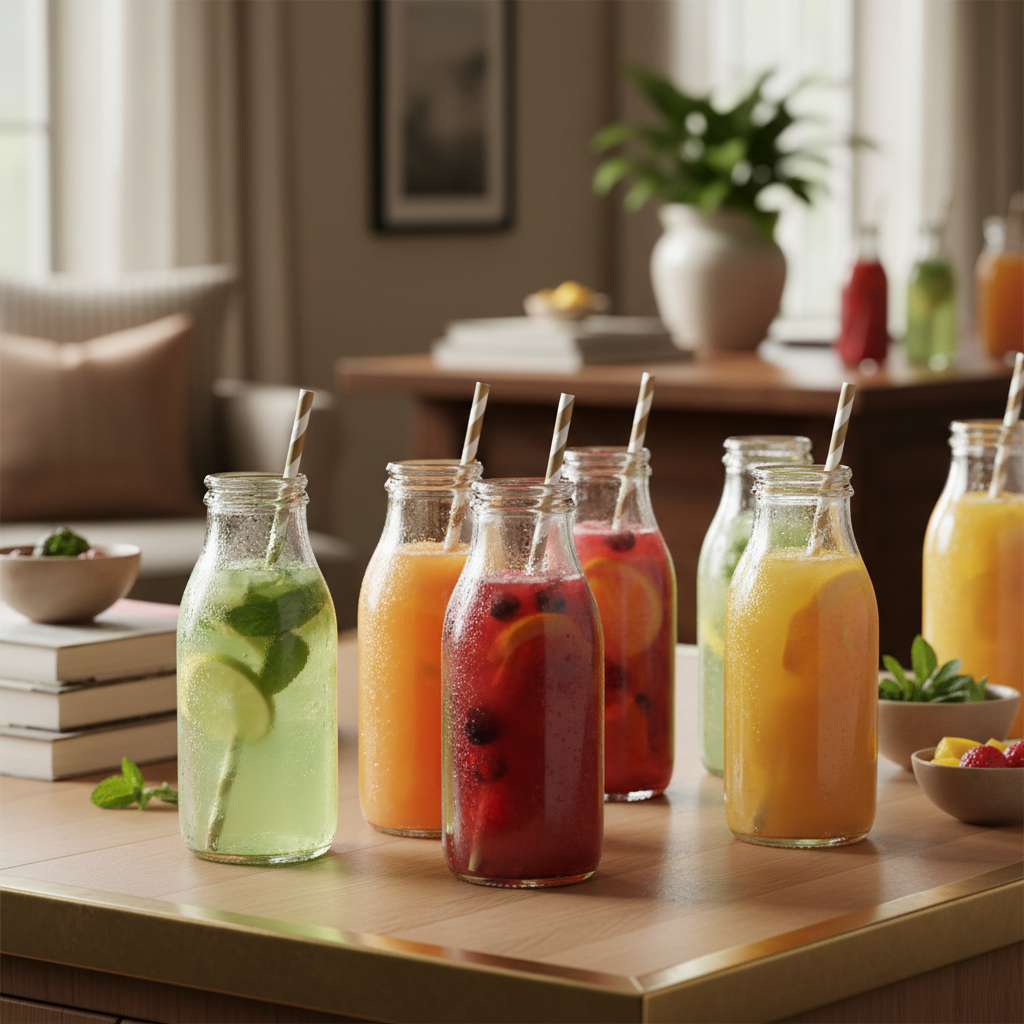
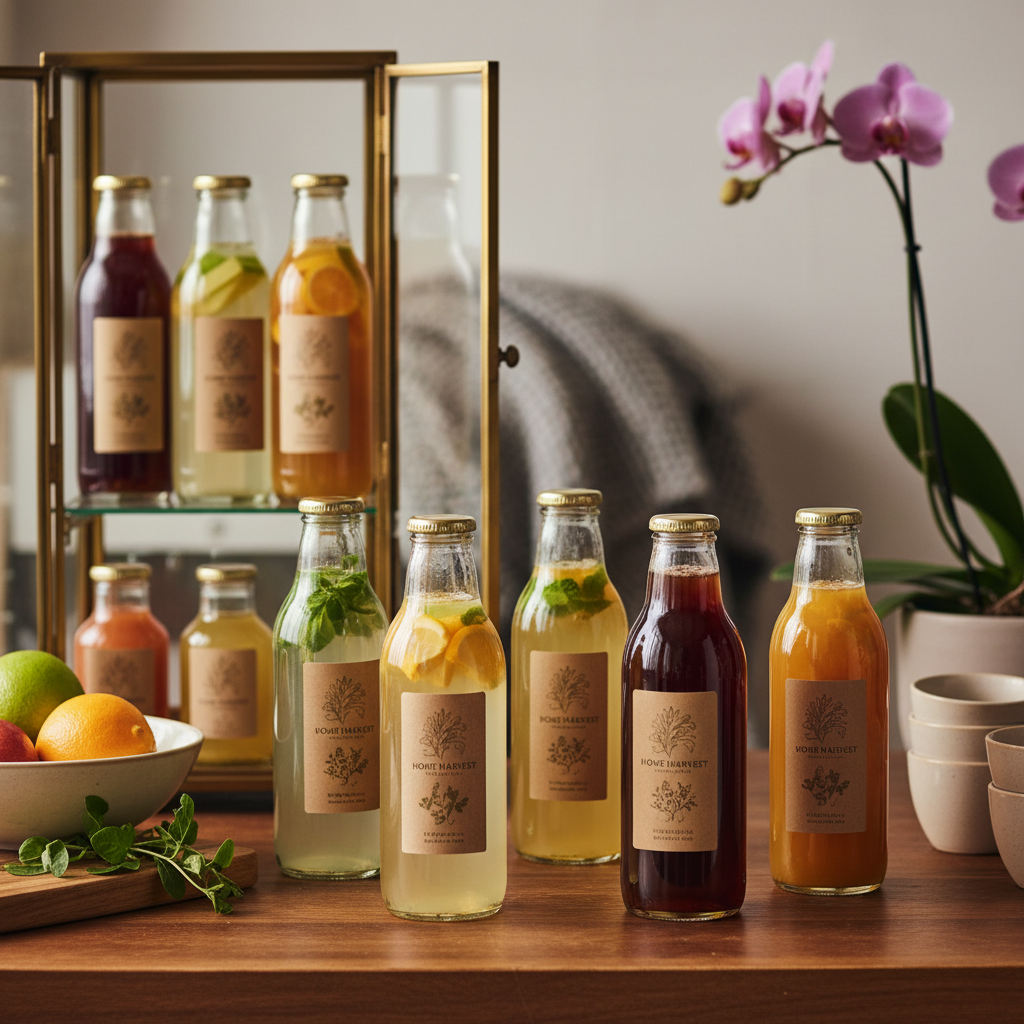
The global demand for beverages packaged in glass bottles is consistently strong, driving a significant glass bottle drinks wholesale market. This isn’t merely about aesthetic appeal; glass offers superior barrier properties, preserving flavor and carbonation, vital for carbonated soft drinks, juices, and alcoholic beverages. Understanding the intricacies of this wholesale market—from sourcing and logistics to quality control and sustainability—is paramount for businesses across the beverage industry.
The glass bottle drinks wholesale sector is particularly important in regions with established recycling infrastructure, where glass’s circularity benefits align with growing environmental concerns. It's a highly competitive market characterized by varying bottle designs, sizes, and colors, catering to diverse brand identities and product lines. Successfully navigating this landscape requires a nuanced understanding of supply chain dynamics and evolving consumer preferences.
Furthermore, the rise in premium and craft beverage categories has fueled demand for specialized glass packaging, increasing the need for reliable and efficient wholesale suppliers. The ability to consistently provide high-quality bottles, often with custom designs, is a key differentiator for wholesalers serving this niche market. This makes understanding the trends and challenges in glass bottle drinks wholesale critical for sustained success.
The Importance of Glass Bottle Drinks Wholesale
The glass bottle drinks wholesale market is a cornerstone of the beverage industry, facilitating the distribution of a vast array of products, from everyday sodas and juices to premium alcoholic beverages. Its significance lies in ensuring a consistent and cost-effective supply of packaging, directly impacting the profitability of beverage manufacturers and distributors.
Without a reliable wholesale network, beverage companies would struggle to meet consumer demand, leading to supply chain disruptions and lost revenue. The efficiency of this wholesale sector directly translates into affordability and availability for consumers worldwide.
Defining Glass Bottle Drinks Wholesale
Glass bottle drinks wholesale refers to the practice of purchasing glass bottles in bulk directly from manufacturers or large-scale distributors. These bottles are then typically resold to beverage companies, bottling plants, or smaller distributors who fill them with their respective products. This process bypasses the retail market, offering significant cost savings for large-volume purchasers.
This wholesale model is vital for maintaining a streamlined supply chain, especially for companies producing high volumes of beverages. It allows businesses to focus on their core competencies – formulation, branding, and marketing – rather than the complexities of sourcing and managing packaging materials independently.
The glass bottle drinks wholesale sector is closely linked to broader industry trends, including sustainability initiatives and evolving consumer preferences for eco-friendly packaging options.
Key Factors Influencing Wholesale Glass Bottle Supply
Several key factors significantly influence the glass bottle drinks wholesale supply chain. Raw material availability, particularly silica sand, soda ash, and limestone, directly impacts production costs and timelines. Fluctuations in energy prices, used heavily in the glass manufacturing process, also play a critical role.
Transportation costs are another substantial factor, especially with increasing fuel prices and global shipping challenges. Logistics efficiency, including warehouse management and delivery networks, is crucial for minimizing delays and ensuring timely delivery. Geopolitical factors and trade regulations can also introduce volatility into the supply chain.
Finally, quality control standards are paramount. Wholesale buyers demand consistent bottle quality – free from defects, with appropriate dimensions and strength – to avoid production line disruptions and maintain brand integrity. This drives the need for stringent inspection processes throughout the manufacturing and distribution phases.
Global Applications and Industry Sectors
The application of glass bottle drinks wholesale spans across numerous industries and geographic regions. The beverage sector remains the dominant consumer, encompassing carbonated soft drinks, bottled water, beer, wine, spirits, juices, and functional beverages. In Europe, where stringent environmental regulations are prevalent, glass enjoys a particularly strong market position due to its recyclability.
North America witnesses significant demand from the craft beer and premium spirit segments, driving a need for specialized and aesthetically appealing glass bottles. Emerging markets in Asia and Latin America are experiencing rapid growth in beverage consumption, boosting the demand for affordable and reliable glass packaging solutions.
Glass Bottle Wholesale Demand by Beverage Type
Advantages & Long-Term Value Proposition
Choosing glass bottle drinks wholesale offers substantial advantages, including the inherent recyclability of glass, reducing environmental impact. Glass is inert, meaning it doesn’t leach chemicals into the beverage, preserving its taste and purity. This is particularly crucial for sensitive products like juices and wines.
From a branding perspective, glass offers a premium aesthetic and allows for intricate designs and customization, enhancing brand recognition and consumer appeal. The durability of glass bottles also reduces breakage during transportation and handling, minimizing product loss.
Future Trends and Innovations in Glass Packaging
The future of glass bottle drinks wholesale is being shaped by innovations in lightweighting technologies, reducing the amount of glass needed for each bottle without compromising strength. This lowers transportation costs and reduces the environmental footprint. Furthermore, advancements in coating technologies are enhancing bottle performance, improving scratch resistance and making them easier to handle.
Smart glass packaging, incorporating QR codes or NFC tags, is emerging, enabling track-and-trace capabilities, consumer engagement, and anti-counterfeiting measures. The development of more sustainable glass manufacturing processes, utilizing renewable energy sources and recycled glass cullet, is also a key priority.
These advancements are not only reducing costs and improving efficiency but are also strengthening glass’s position as a preferred packaging material in the beverage industry.
Challenges and Solutions in the Wholesale Market
One significant challenge facing the glass bottle drinks wholesale market is the volatility of raw material prices and energy costs. To mitigate this, wholesalers are exploring long-term supply contracts and diversifying their sourcing base. Another challenge is managing the complexities of reverse logistics for recycled glass.
Improving collaboration between wholesalers, recyclers, and beverage companies is crucial for optimizing the collection and processing of glass cullet. Furthermore, addressing the issue of bottle weight standardization can streamline the recycling process and reduce energy consumption.
Finally, adapting to evolving consumer preferences for sustainable packaging and reducing carbon footprint requires continuous innovation in manufacturing and transportation methods.
Key Performance Indicators for Glass Bottle Wholesale Suppliers
| Supplier Reliability |
Price Competitiveness |
Order Fulfillment Rate |
Sustainability Practices |
| On-time delivery performance |
Average cost per bottle |
Percentage of orders shipped complete |
Recycled content in glass production |
| Responsiveness to inquiries |
Payment terms offered |
Order accuracy rate |
Energy efficiency of manufacturing process |
| Inventory management capabilities |
Bulk discount structure |
Lead time for new orders |
Water usage in glass production |
| Quality control procedures |
Minimum order quantity |
Returns processing efficiency |
Waste reduction initiatives |
| Geographic coverage |
Currency exchange rate policies |
Customer service responsiveness |
Carbon emissions related to transportation |
| Compliance certifications |
Contract flexibility |
Inventory visibility |
Packaging material used for shipping |
FAQS
Sourcing through a glass bottle drinks wholesale supplier offers significant cost savings due to bulk pricing. It also provides access to a wider variety of bottle designs and sizes, streamlines the supply chain, and reduces the administrative burden of managing multiple smaller suppliers. This allows businesses to focus on their core competencies, such as beverage formulation and marketing. Furthermore, established wholesalers often possess superior logistics capabilities, ensuring timely and reliable delivery.
Sustainability is increasingly important. Glass is 100% recyclable and can be recycled endlessly without loss of quality. Wholesalers are focusing on increasing the use of recycled glass cullet in their manufacturing processes. They are also optimizing transportation routes and packaging materials to reduce their carbon footprint. Choosing a wholesaler committed to sustainable practices can help businesses align with consumer demand for eco-friendly packaging.
MOQs vary significantly depending on the supplier, bottle type, and customization requirements. Generally, MOQs can range from a few thousand bottles for standard designs to tens of thousands for custom molds. Some wholesalers cater to smaller businesses with lower MOQs, but prices per bottle will typically be higher. Negotiating MOQs with your supplier is crucial, especially for startups or businesses with limited storage capacity.
Essential quality control measures include inspection for defects such as cracks, chips, and bubbles. Suppliers should also adhere to industry standards for bottle dimensions and strength. Look for suppliers with documented quality control procedures, including in-process inspections and final product testing. Certificates of analysis (COAs) can provide assurance of bottle quality and safety.
Transportation costs represent a significant portion of the overall cost, particularly for long-distance shipments. Factors impacting transportation include fuel prices, distance, and shipping method (truck, rail, or sea). Negotiating favorable shipping rates with your wholesaler and optimizing order consolidation can help minimize transportation expenses. Choosing a supplier located closer to your production facility can also reduce costs and lead times.
Current trends affecting pricing include rising raw material costs (silica sand, soda ash), increasing energy prices, and supply chain disruptions. Demand for lightweighted bottles and custom designs is also driving prices upward. Staying informed about these market dynamics and building strong relationships with your wholesaler can help mitigate price fluctuations and secure favorable terms. glass bottle drinks wholesale pricing can also be impacted by trade tariffs and geopolitical events.
Conclusion
In conclusion, the glass bottle drinks wholesale market is a vital component of the global beverage industry, offering a sustainable, high-quality packaging solution. Understanding the key factors influencing supply, the advantages of glass over alternative materials, and emerging trends is crucial for businesses seeking to maintain competitiveness and meet evolving consumer demands. Effective supply chain management, a focus on sustainability, and close collaboration with reliable wholesalers are essential for success.
Looking ahead, innovation in glass manufacturing, smart packaging technologies, and a continued emphasis on circularity will further solidify glass’s position as a preferred packaging choice. By embracing these advancements, businesses can unlock new opportunities for growth, reduce their environmental impact, and deliver superior products to consumers. Visit our website to explore how we can partner with you: www.yintoglassware.com
 TEL: +86 18903393212
 Email: tina@yintoglassware.com