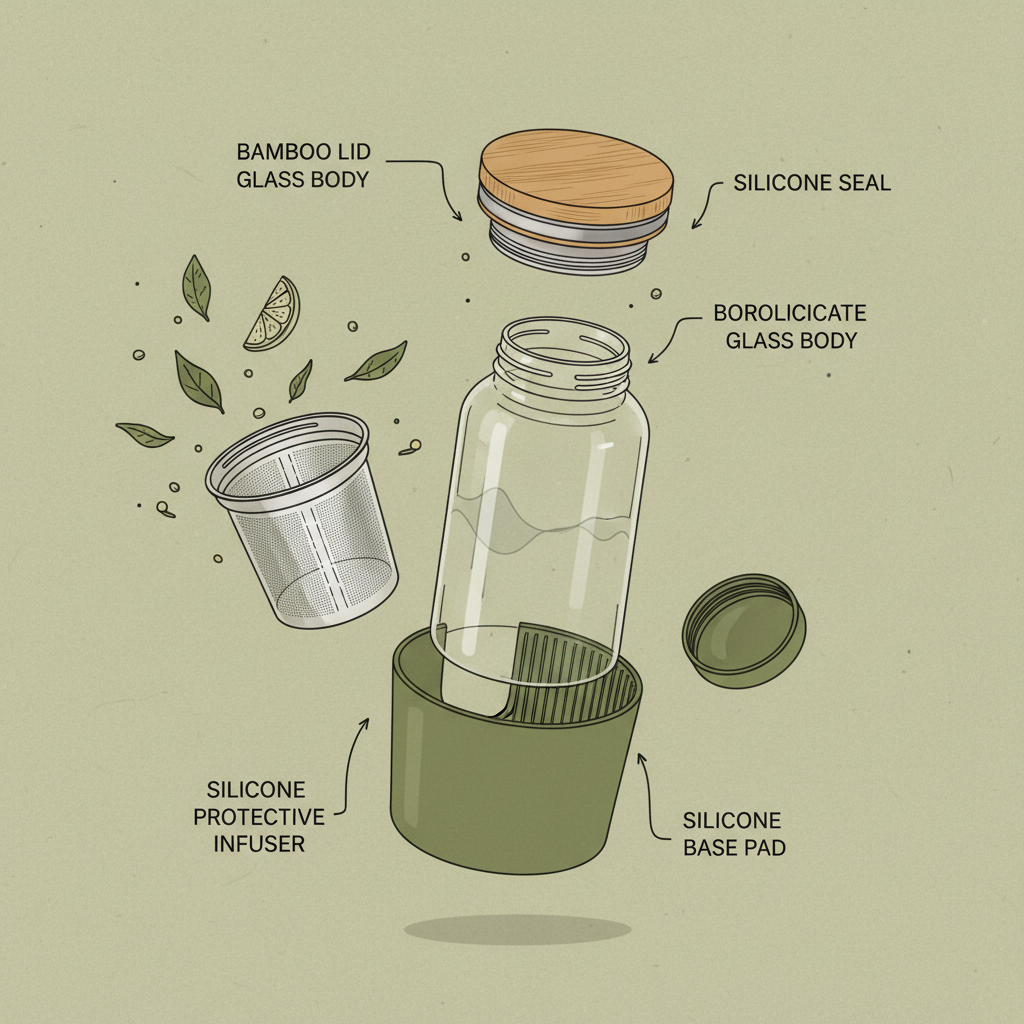
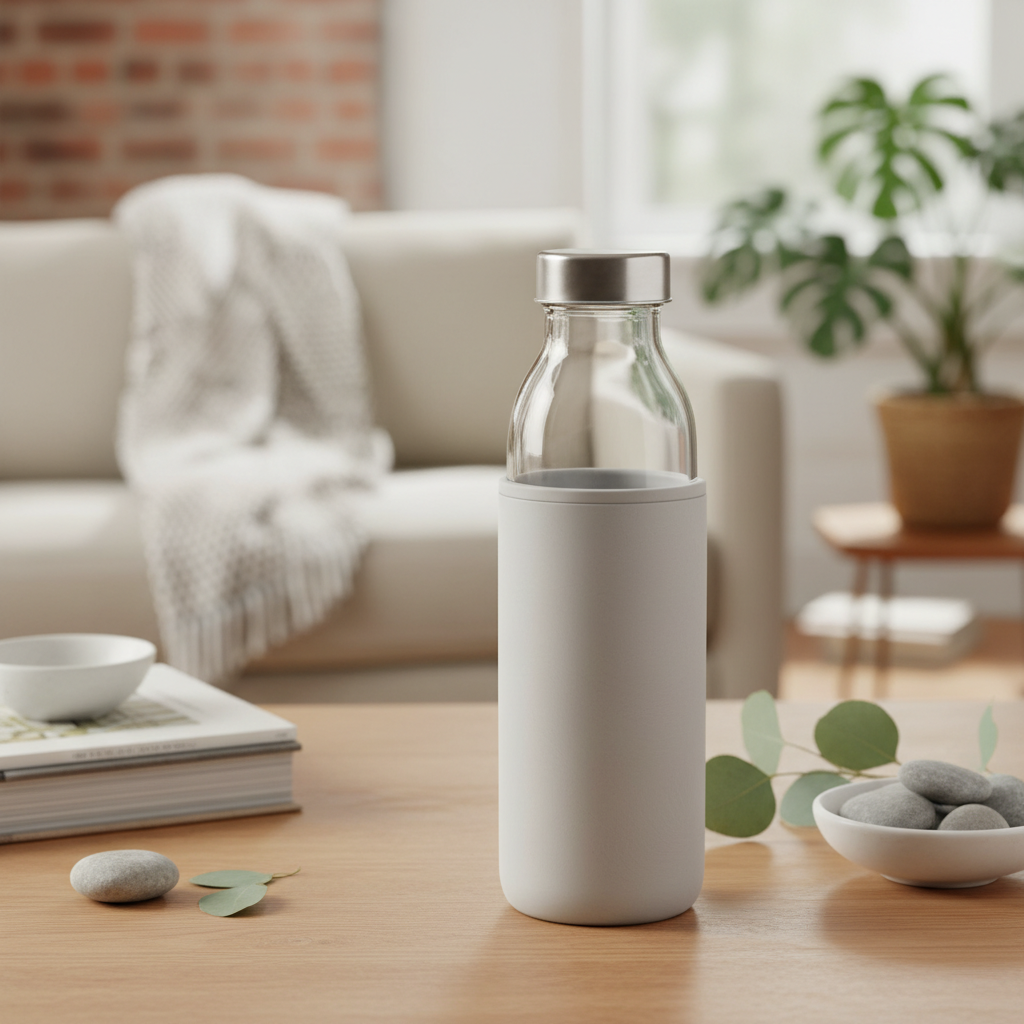
You know, I’ve been running around construction sites for fifteen years, and things are changing fast. Lately, everyone’s obsessed with this “smart kitchen” stuff. Not just fancy gadgets, but everything connected, integrated. To be honest, it’s a bit much sometimes. I mean, do we really need a fridge that tells us when we’re out of milk? Still, the demand is there, and it's driving a lot of innovation in glass kitchenware. It’s not just about aesthetics anymore; it’s about functionality and durability, especially when you’re dealing with commercial kitchens or even just busy families.
And it's not all smooth sailing. I've seen too many designers get tripped up thinking "sleek" automatically equals "good." Have you noticed how often people forget that kitchens are workspaces? You need stuff that can take a beating, that's easy to clean, and doesn’t chip just by looking at it wrong. The whole “minimalist” look is nice, but not when it compromises practical use. I encountered this at a factory in Shunde last time – they were producing beautiful glass mixing bowls, but the base was too thin. One dropped bowl, one angry chef, and a whole batch recalled.
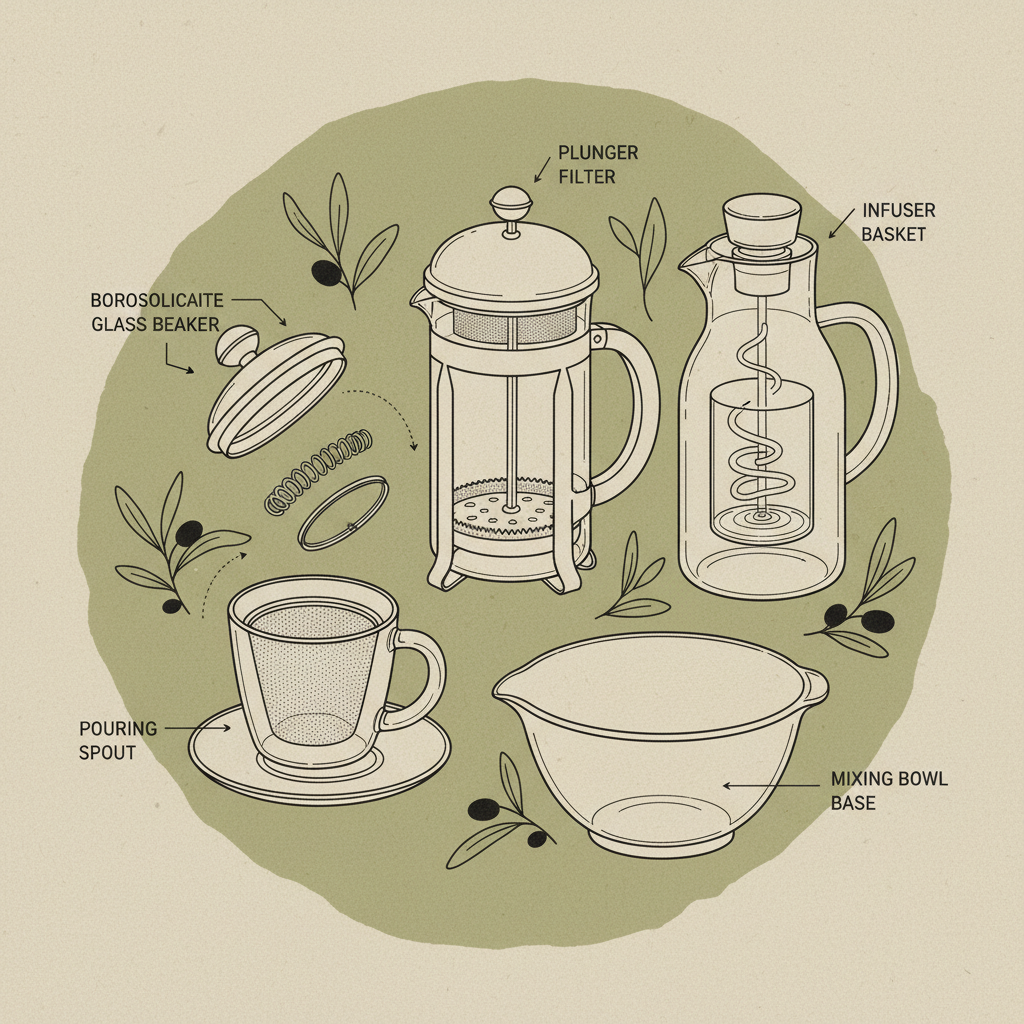
The biggest shift I’ve seen is in the materials. Borosilicate glass is everywhere, naturally. It's tough, heat resistant, doesn't stain easily. Feels different too, a little lighter, more refined than the old soda-lime glass. But even within borosilicate, there are grades. Some are almost like plastic in their flexibility – good for certain things, but not for something you’re constantly banging around. Then there's tempered glass, which, let me tell you, smells weird when you cut it. Seriously, that chemical smell clings to everything. And you have to be careful handling it, even in the factory – a tiny nick and it can shatter completely.
The Latest Trends in Glass Kitchenware
Honestly, the biggest thing I'm seeing is integration with induction cooktops. Everyone wants that sleek, modern look, but induction requires specific materials. Then there’s the push for sustainable materials. Recycled glass is becoming more common, which is good, but it needs to meet the same quality standards. Strangely, consumers are starting to care more about the weight of things. They want something that feels substantial, like it’s built to last. It’s a bit of a throwback to how things were, but I think it’s a good sign.
And the colors… oh, the colors. Pastels are in, apparently. I'm not a color guy myself, but the marketing people seem convinced. It’s all about "creating a mood" or something. Me, I just want something that doesn't show every fingerprint.
Design Pitfalls to Avoid
I’ve said it before, and I'll say it again: don't sacrifice functionality for aesthetics. Thin handles on mixing bowls? Bad idea. They'll snap under pressure. Square containers that don't stack properly? Pointless. And don’t even get me started on lids that don’t seal properly. That’s just asking for a mess. It’s the little things that matter, the details that most designers overlook. Anyway, I think a lot of them spend too much time in the office and not enough time actually using the stuff.
Another thing is neglecting the impact of thermal shock. You'd be surprised how many people take a hot glass dish straight from the oven and plunge it into cold water. It's a recipe for disaster. Designers need to consider how people actually use the product, not just how they should use it.
Then there's the whole issue of cleaning. If it’s got a million little nooks and crannies, it’s going to be a nightmare to keep clean. And nobody wants to spend hours scrubbing a glass baking dish. Simple, clean lines are always best.
Material Considerations: A Hands-On Perspective
Like I mentioned before, borosilicate glass is king right now. It’s strong, it's heat-resistant, and it's relatively lightweight. But it's not perfect. It's more expensive than soda-lime glass, and it can be brittle if it's not properly manufactured. You can tell a good piece of borosilicate by the clarity of the glass – it should be crystal clear, with no bubbles or imperfections.
Now, tempered glass is a different beast altogether. It's much stronger than borosilicate, but it's also much more prone to shattering. It’s great for things like ovenware and cutting boards, but you need to be careful with it. And, you know, that smell when you cut it? It's a real kick. Seriously, always wear a respirator when working with tempered glass. It’s not worth breathing in those fumes.
There’s also this new stuff coming out – a kind of hybrid borosilicate with added ceramic particles. It's even stronger and more heat-resistant, but it's still pretty expensive. It feels...different. Rougher to the touch, almost. I’m not sure how well it will hold up over the long term, but it's definitely promising.
Real-World Testing and Usage
Forget the lab tests. Those are fine for getting baseline data, but they don't tell you how something will actually perform in the real world. I prefer to see things get dropped, scratched, and abused. We often take samples back to the factory and just let the workers use them for a week. That’s the best testing you can get.
I've seen people use glass mixing bowls as makeshift hammers, trying to crack nuts. I've seen them get left on hot stovetops for hours. I've seen them get tossed into dishwashers with abrasive detergents. You name it, someone's probably tried it.
Glass Kitchenware Durability Testing
The Advantages and Disadvantages
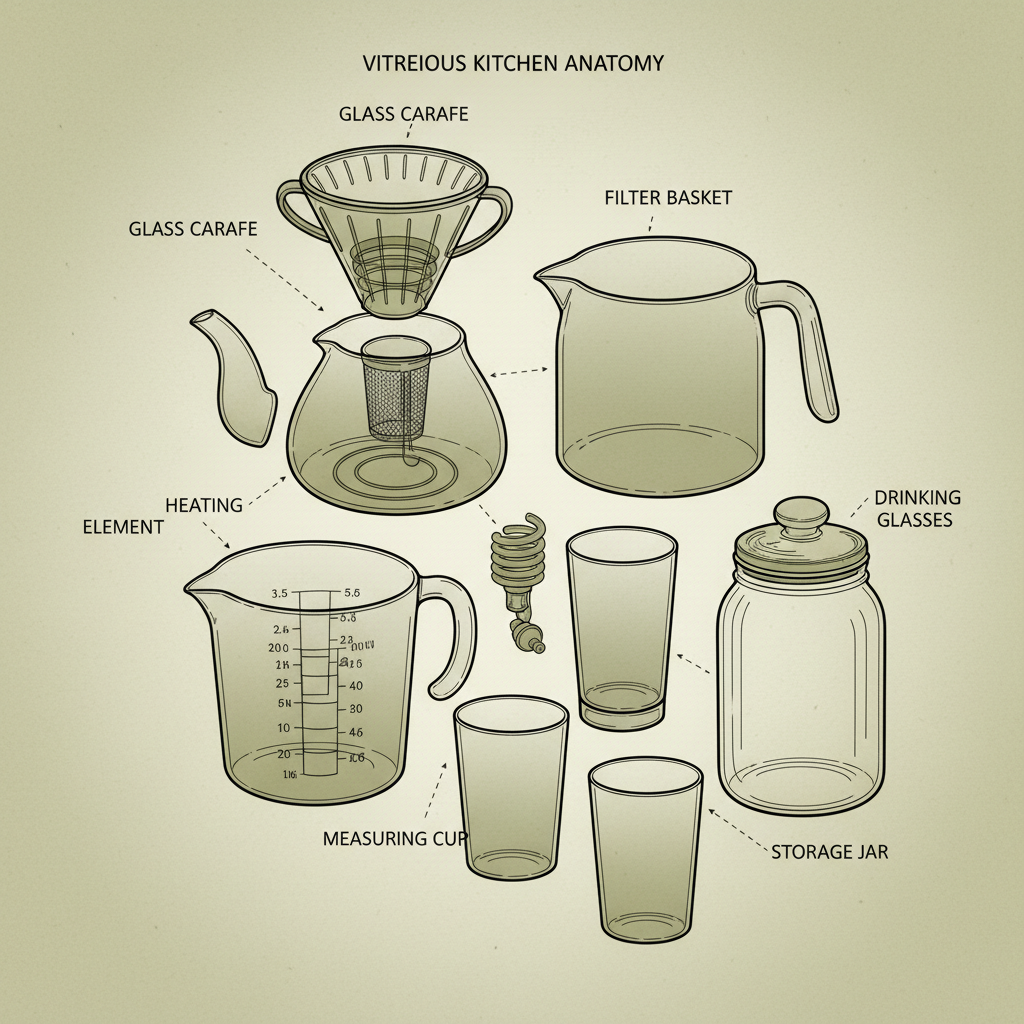
Look, glass is glass. It’s non-porous, so it doesn't absorb odors or stains. It's easy to clean. It’s aesthetically pleasing. It's generally safe for food contact. But it's also fragile. It breaks. It can be heavy. And it can be expensive. I mean, it’s a trade-off, right? You get the benefits of hygiene and aesthetics, but you have to accept the risk of breakage.
The biggest advantage, in my opinion, is its versatility. You can use glass for everything from baking dishes to mixing bowls to storage containers. It's just a workhorse material. But the disadvantage? Well, let's just say I've spent a lot of time sweeping up shards of glass over the years.
Customization Options
You want a custom shape? No problem. You want a specific color? We can do that. You want a laser-etched logo? Easy. The possibilities are endless, really. Last year, a boutique hotel chain wanted mixing bowls with their logo etched into the bottom, and a very specific shade of teal. It was a pain to get the color right, but the end result was stunning. They were happy, and that's what matters.
But customization comes at a cost. You're talking about tooling changes, minimum order quantities, and longer lead times. It's not something you want to do for a small run.
A Customer Story: The Incident
Last month, that small boss in Shenzhen who makes smart home devices insisted on changing the interface of a glass storage container to . Said it was "future-proof." I tried to explain to him that a glass container doesn't need a port, but he wouldn’t listen. He wanted to be able to connect it to his phone, supposedly to display the contents. I mean, really? The result was a complete disaster. The seal was compromised, the container leaked, and he ended up having to recall the whole batch. A waste of time, money, and a whole lot of glass.
It just goes to show you, sometimes the simplest solutions are the best. You don’t need to overcomplicate things.
Anyway, I think he learned his lesson. I haven’t heard from him since.
Here is a rough-and-ready table summarizing common glass kitchenware issues.
| Issue |
Severity (1-5) |
Likelihood (1-5) |
Potential Fix |
| Chipping |
3 |
4 |
Thicker rim, tempered glass |
| Thermal Shock |
5 |
3 |
Borosilicate glass, user education |
| Breakage during transport |
4 |
2 |
Better packaging, internal bracing |
| Staining |
2 |
4 |
Non-porous glass, proper cleaning |
| Weight |
1 |
5 |
Optimize design, consider thinner glass (tradeoff with durability) |
| Difficulty Cleaning |
3 |
3 |
Simple designs, smooth surfaces |
FAQS
Borosilicate is more resistant to thermal shock and is better for gradual temperature changes like going from the fridge to a warm oven. Tempered glass is much stronger mechanically, but it shatters completely if it’s damaged. Basically, borosilicate is for heating and cooling, tempered is for impact resistance. But both can break, don’t forget that!
Easy. Don’t take a hot glass dish straight from the oven and put it in cold water. Let it cool down gradually. Also, avoid putting a cold glass dish directly onto a hot burner. It seems obvious, but you’d be surprised how many people do it. Preheating the oven with the glass dish inside is also a good practice.
It can be, but it depends on the quality of the recycling process. If the glass is properly cleaned and sorted, and if the manufacturing process is well-controlled, then recycled glass can be just as strong as new glass. But it's important to look for products that are certified to meet industry standards.
Don’t subject it to drastic temperature changes, avoid abrasive cleaners, and hand-wash whenever possible. If you do put it in the dishwasher, use a gentle cycle and make sure the dishes aren’t bumping against each other. And be careful not to drop it!
Tempered glass is heat-treated to make it much stronger. It’s more resistant to impacts, but if it does break, it shatters into small, relatively harmless pieces. This is opposed to regular glass which breaks into large, sharp shards. It's a safety thing, mainly.
Absolutely. We offer laser etching, screen printing, and other customization options. But keep in mind that there’s usually a minimum order quantity and a setup fee. It’s also important to consider the design itself – you don’t want something that’s going to fade or wear off quickly.
Conclusion
So, there you have it. Glass kitchenware is a complex world, full of nuances and trade-offs. It’s not just about picking a pretty bowl; it’s about understanding the materials, the manufacturing process, and how people actually use the stuff. We’ve seen trends come and go, but the fundamental principles remain the same: durability, functionality, and safety.
Ultimately, whether this thing works or not, the worker will know the moment he tightens the screw. It’s a small thing, but it’s the truth. You can design and engineer all you want, but at the end of the day, it’s the people on the ground who make it happen. If you want to learn more about our range of glass kitchenware, visit our website today.
 TEL: +86 18903393212
 Email: tina@yintoglassware.com