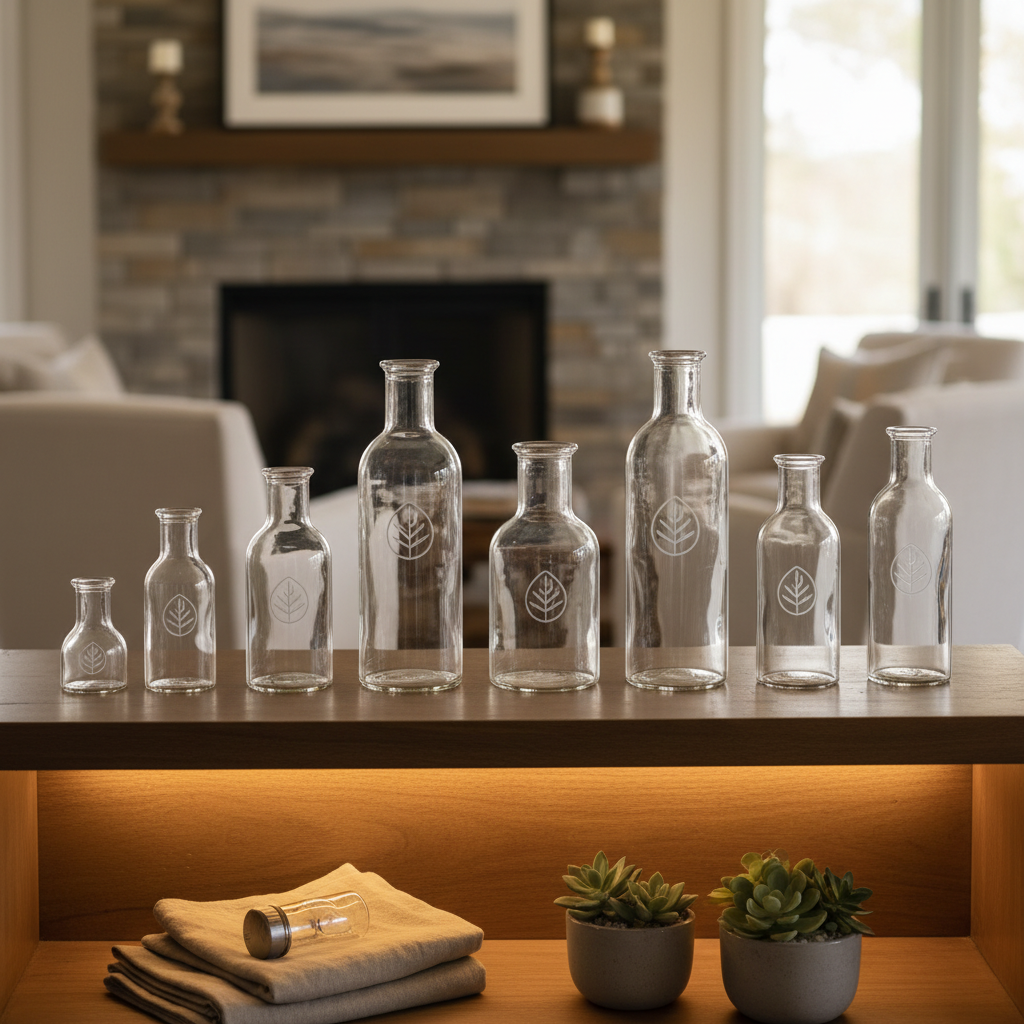
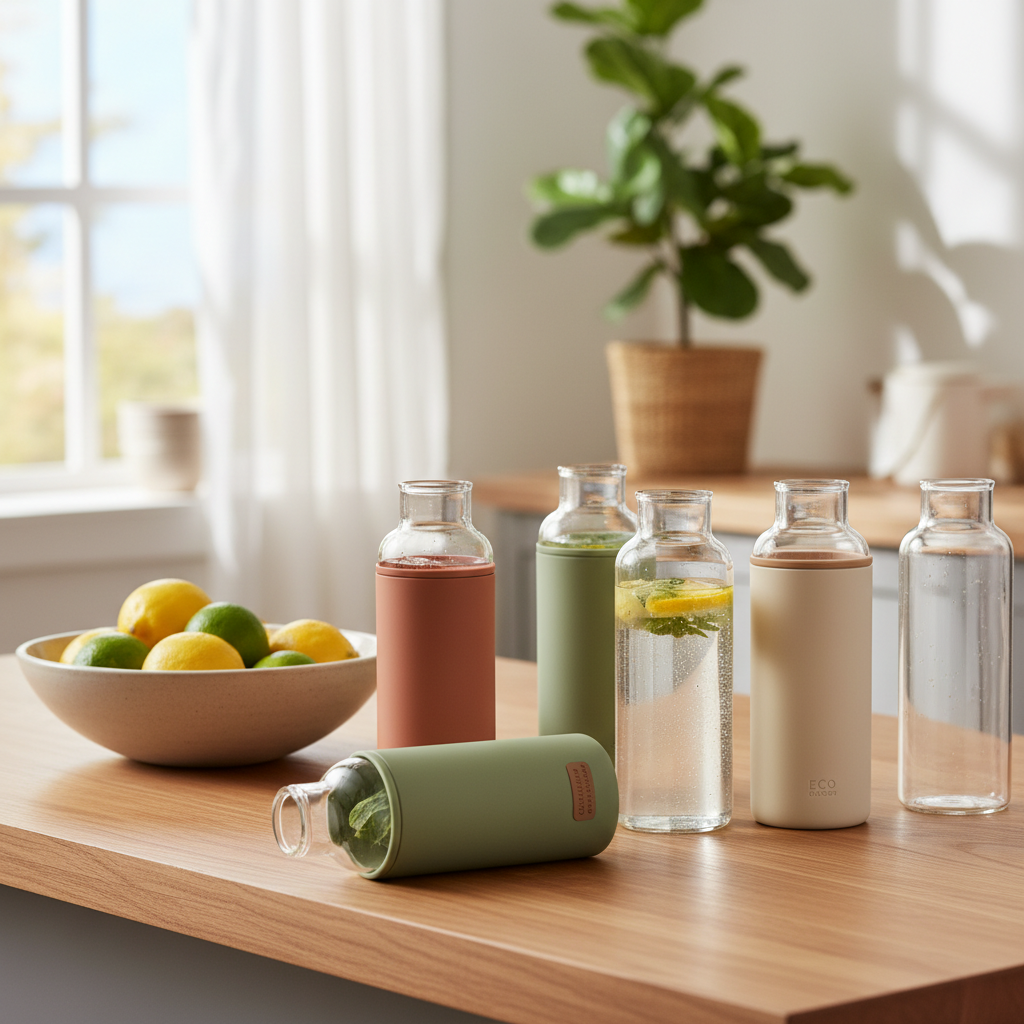
Look, I’ve spent the last fifteen years breathing concrete dust and arguing with subcontractors, and let me tell you, a reliable container for water on site isn't just a convenience, it's a safety issue. We're talking about keeping guys hydrated in brutal conditions, and increasingly, that means moving away from disposable plastic. That’s where glass branded water bottles come into play. They’re durable, they look professional when you slap your company logo on them, and, frankly, they reduce the amount of trash we're hauling off job sites every week. It’s a small change that makes a big difference in keeping a crew functioning at its best.
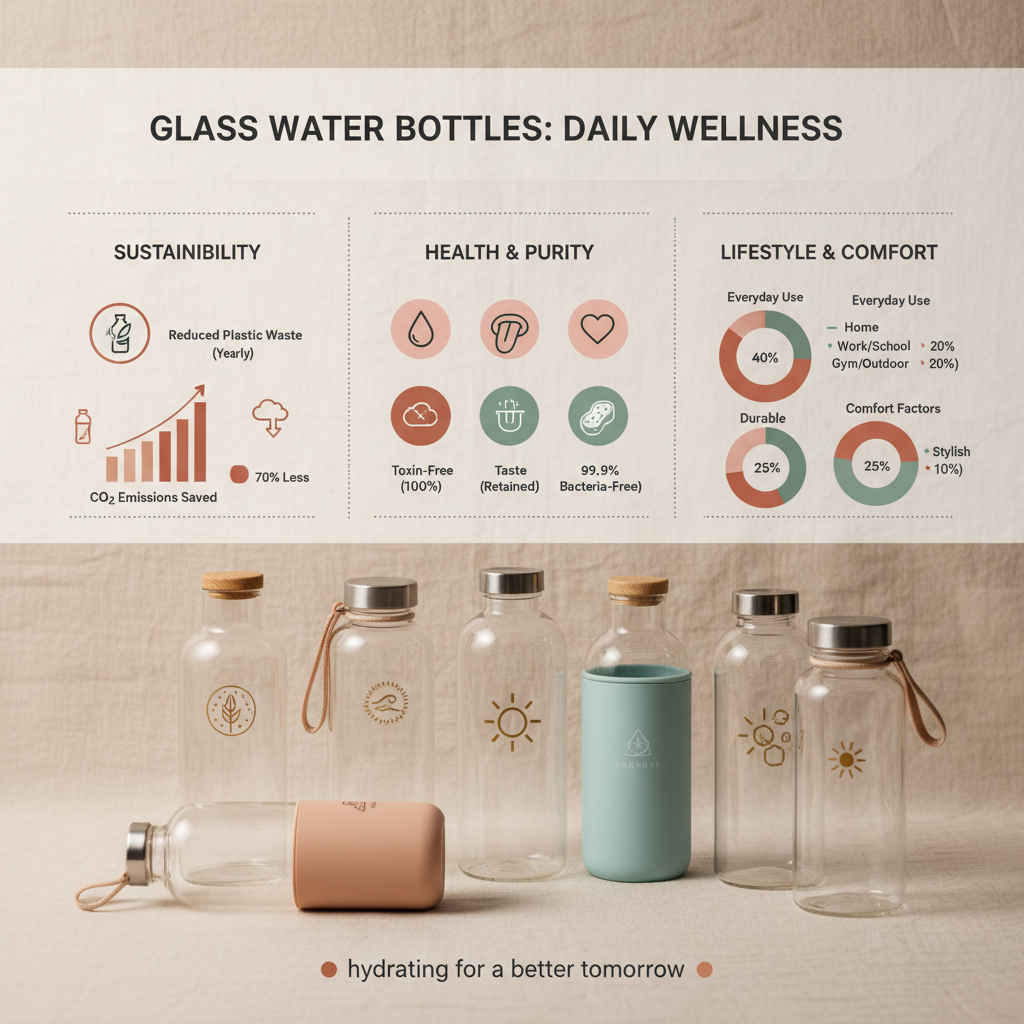
The shift towards more sustainable practices isn’t just a feel-good thing anymore; it's becoming a necessity. Clients are demanding it, regulations are tightening, and frankly, it's the right thing to do. For years we were stuck with flimsy plastic bottles that cracked, leaked, and ended up polluting sites. The initial investment in quality glass branded water bottles pays off in the long run through reduced waste, improved crew morale, and a positive brand image.
And it’s not just about construction. I've seen these used everywhere from landscaping crews to remote surveying teams. The key is finding a bottle that can actually withstand the kind of abuse a job site throws at it, and having branding that stands out. You want your team looking professional and unified, and a cheap, dented bottle doesn't project that.
The Practical Relevance of glass branded water bottles
Let's be honest, construction isn’t a glamorous job. It’s hot, it’s dirty, and it’s physically demanding. Staying hydrated isn’t a luxury, it’s essential for safety and productivity. For years, we've relied on plastic, but it’s a constant cycle of buying, replacing, and dealing with waste. Glass branded water bottles offer a more robust, reusable solution that can significantly reduce waste and provide a more reliable hydration source for crews.
The initial investment may be higher, but consider the long-term costs of constantly replacing plastic bottles, the environmental impact, and the potential for lost productivity due to dehydration. It's a calculated cost-benefit, and increasingly, glass is coming out on top.
Defining Quality in glass branded water bottles
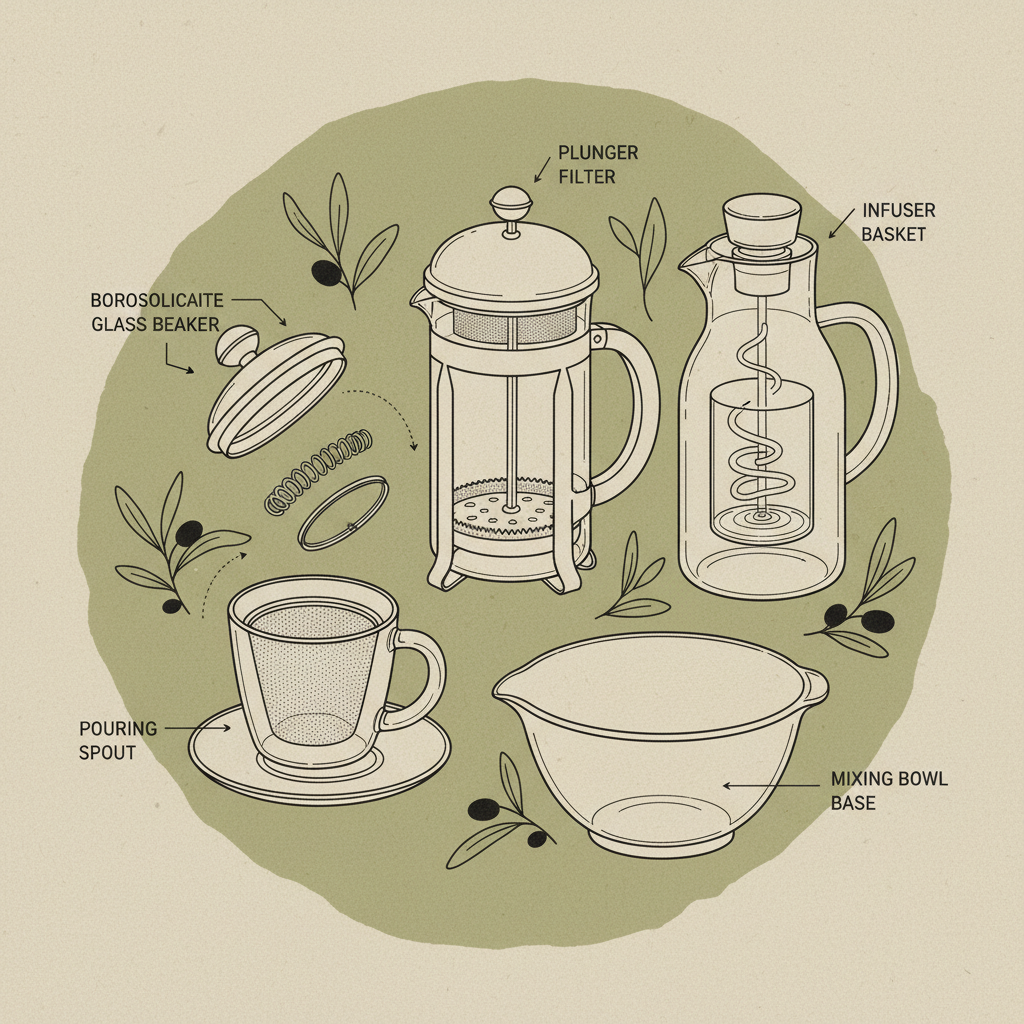
When I'm looking at bottles for my crews, it’s not just about the logo looking good. I need something that can survive a drop from a scaffold, a kick from a toolbox, and still hold water. Borosilicate glass is the way to go – it’s significantly more resistant to thermal shock and impact than standard glass. And the lid is just as important; a secure, leak-proof design is non-negotiable.
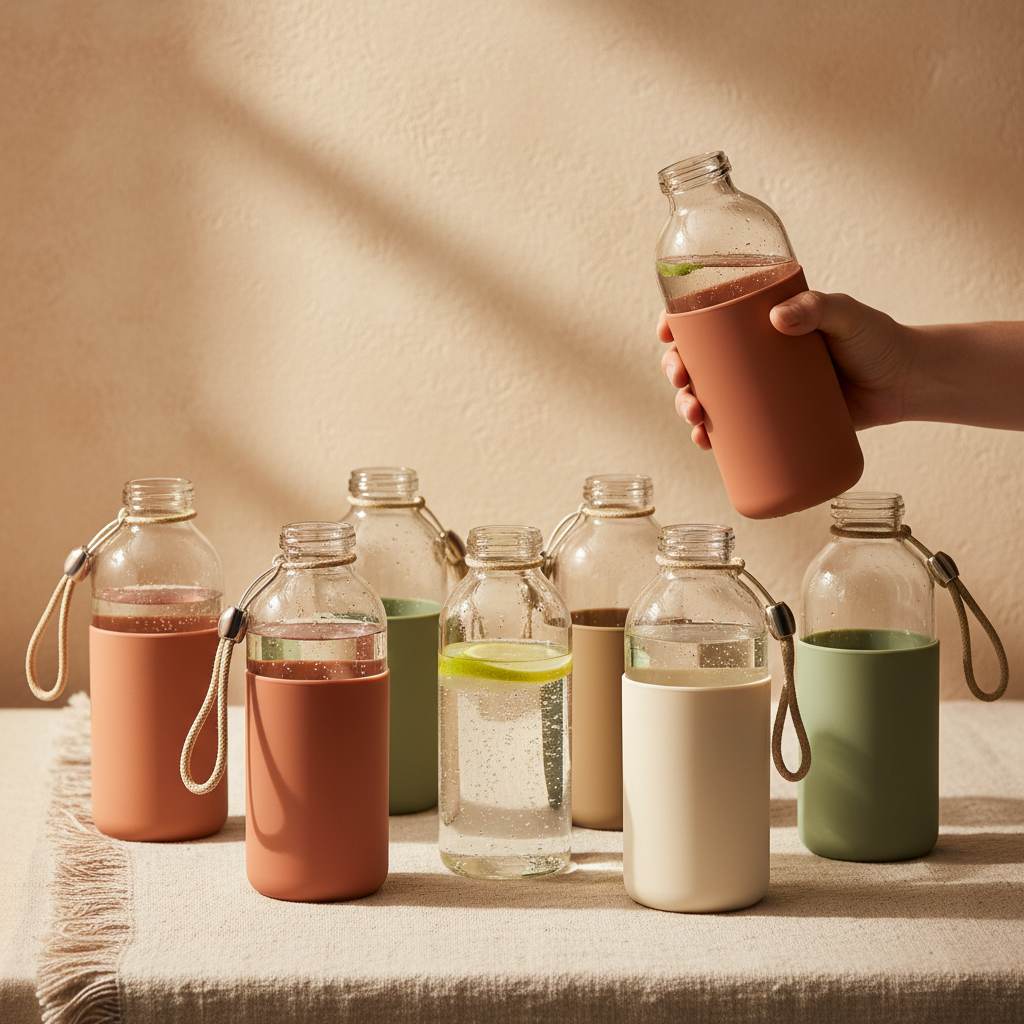
We've tested everything from silicone sleeves to reinforced bases. The key is finding a balance between durability and weight. A bottle that's too heavy won't get used. The material must be BPA-free as well, and designed for easy cleaning. Nobody wants a funky-tasting water bottle.
The branding matters too. You want a clear, crisp logo that’s going to withstand repeated washing and exposure to the elements. Laser etching is generally more durable than printing for long-term visibility.
Key Attributes for Job Site Durability
Durability isn't just about drop tests; it’s about resisting the daily grind. Constant exposure to sunlight, temperature fluctuations, and harsh chemicals all take their toll. The glass needs to be thick enough to withstand impacts, but also resistant to UV degradation and corrosion.
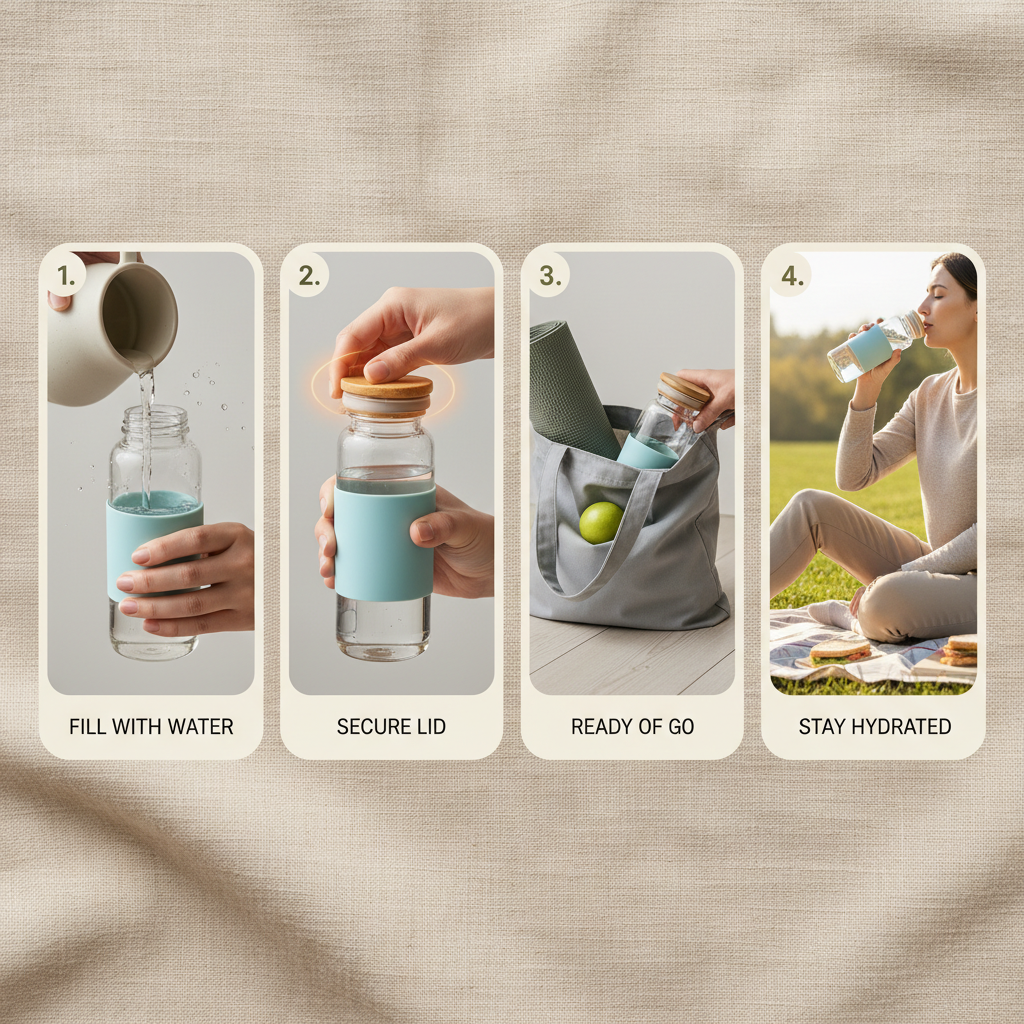
The lid mechanism is critical. Screw-top lids with silicone seals are generally the most reliable, preventing leaks and ensuring a secure closure. Avoid flip-top lids, as they're more prone to breakage. Consider a wide mouth for easy filling and cleaning, and a loop or handle for attaching to a belt or backpack.
Finally, think about the overall design. A streamlined shape is less likely to snag on equipment or get knocked over. And a textured surface provides a better grip, even with gloves on. Small details make a big difference when you're working in tough conditions.
Real-World Applications and Industry Adoption
I’ve seen glass branded water bottles become standard issue on large-scale infrastructure projects, like highway construction and bridge repairs. The higher upfront cost is justified by the reduced waste and improved crew morale. It also projects a professional image to clients and the public.
Landscaping companies are another big adopter. These crews spend hours outdoors in the heat, and a durable, reusable water bottle is essential. The bottles often become a point of pride, with crews taking ownership of their branded bottles.
We are also seeing increasing use in surveying and engineering firms working in remote locations. Lightweight, durable hydration is critical when you're miles from the nearest supply store.
Hydration Bottle Adoption Rates by Industry
Long-Term Value and Return on Investment
Look, I’m a numbers guy. At the end of the day, I need to justify every expense. While glass branded water bottles have a higher initial cost, the long-term savings on disposable bottles, combined with the positive impact on crew morale and company image, makes them a worthwhile investment.
Consider the environmental impact too. Reducing plastic waste isn't just good PR; it’s a responsible business practice. And let's be real, happy workers are productive workers. Providing quality gear shows your team you value their well-being.
Emerging Trends and Future Innovations
We’re seeing a lot of innovation in the glass bottle space. Things like improved impact resistance coatings and more ergonomic designs. I'm also keeping an eye on smart bottle technology - bottles with built-in hydration tracking and reminders. That kind of thing could be really useful on longer projects.
And I think we’ll see even more emphasis on sustainable materials and manufacturing processes. Consumers and clients are demanding it. The companies that prioritize sustainability will be the ones that win in the long run.
Customization is also becoming more sophisticated, with more options for branding and personalization. The ability to create truly unique bottles that reflect a company’s identity is a big selling point.
Overcoming Challenges in Implementation
The biggest challenge is getting buy-in from the guys on the ground. Some are stuck in their ways and resistant to change. That’s where education comes in. Explain the benefits – the durability, the sustainability, the comfort.
Another hurdle is breakage. Glass can break, even borosilicate. Having a clear replacement policy and providing a designated storage location can help minimize losses.
Finally, proper cleaning is essential. Make sure your team knows how to properly wash and sanitize the bottles to prevent the buildup of bacteria and maintain hygiene.
Summary of Key Considerations for glass branded water bottles Implementation
| Implementation Phase |
Key Challenge |
Mitigation Strategy |
Expected Outcome |
| Initial Rollout |
Resistance to change from crew members. |
Education on benefits, demonstrating durability, positive reinforcement. |
Increased adoption rate and positive crew feedback. |
| Ongoing Maintenance |
Potential for bottle breakage. |
Designated storage, clear replacement policy, durable bottle selection. |
Reduced breakage rate and minimized downtime. |
| Cleaning & Hygiene |
Ensuring proper sanitation practices. |
Training on cleaning procedures, providing appropriate cleaning supplies. |
Improved hygiene and reduced risk of illness. |
| Long-Term Cost Analysis |
Tracking ROI and justifying initial investment. |
Calculating waste reduction, improved crew productivity, and brand impact. |
Demonstrated cost savings and positive business outcomes. |
| Supplier Relationship |
Maintaining a reliable supply chain. |
Building strong relationships with vendors like Yinto Glassware, establishing clear communication channels. |
Consistent access to quality bottles and timely delivery. |
| Branding Consistency |
Maintaining a consistent brand image across all bottles. |
Standardizing logo application, ensuring high-quality printing or etching. |
Reinforced brand recognition and a professional appearance. |
FAQS
Borosilicate glass, when properly constructed, is significantly more resistant to impacts, temperature changes, and chemical exposure compared to most construction-grade plastics. It doesn't become brittle in the cold or warp in the heat. Plus, it doesn’t leach chemicals into the water like some plastics can. The biggest difference is the inherent strength of the material, coupled with the fact that it can withstand repeated washing without degrading.
Laser etching is the most durable branding method. It permanently etches the logo into the glass, so it won’t fade or scratch off with regular use. If you opt for printing, choose a high-quality, UV-resistant ink. Also, advise your crews to avoid abrasive cleaners when washing the bottles. A gentle detergent and a soft sponge are best.
Safety first. Immediately cordon off the area to prevent anyone from stepping on the broken glass. Use a broom and dustpan to carefully collect the larger pieces, and then use a wet/dry vacuum to clean up any remaining shards. Dispose of the broken glass in a designated sharps container, following all local regulations. Having a clear breakage reporting and replacement policy in place is essential.
Most borosilicate glass bottles are dishwasher safe, but it’s always best to check the manufacturer's instructions. We recommend placing them on the top rack to avoid direct impact with other dishes. Avoid using harsh detergents or abrasive cleaning agents. Hand washing is always the gentlest option, especially for bottles with complex branding.
With proper care, a quality glass branded water bottle can easily last a year or more, even on a demanding construction site. Regular inspection for cracks or chips is important, and replacing damaged bottles promptly is crucial for safety. A robust replacement policy can help extend the overall lifespan of your branded bottle program.
The primary benefit is a significant reduction in plastic waste. Glass is 100% recyclable, and even when it’s not recycled, it doesn’t leach harmful chemicals into the environment like plastic does. By switching to reusable glass bottles, you’re contributing to a more sustainable and environmentally responsible construction practice. Plus, it improves your company's image and demonstrates a commitment to environmental stewardship.
Conclusion
So, look, glass branded water bottles aren’t a magic bullet, but they’re a solid investment for any construction company that values safety, sustainability, and a professional image. They are about more than just providing hydration; they’re about investing in your team and demonstrating a commitment to responsible business practices.
Don't just think of them as water bottles – think of them as a small but significant step towards a more efficient, sustainable, and productive job site. Explore your options, talk to suppliers like Yinto Glassware, and find the bottles that best fit your needs. You won’t regret it.
 TEL: +86 18903393212
 Email: tina@yintoglassware.com