Look, after running around construction sites all year, you start to see patterns. Lately, everyone's screaming about "smart" everything, IoT this, AI that. But honestly, the biggest trend I'm seeing is just a demand for reliable stuff. Things that don't break when you look at 'em sideways. It's back to basics, kinda. People are tired of fancy gadgets that fail after a month.
We're dealing with a lot more pre-fabricated components now too, which is good and bad. Good because it speeds things up, bad because if one piece is off, the whole thing's a headache. And don’t even get me started on supply chains… that's a whole other can of worms.
It’s funny, designers always want to over-engineer things. They'll come up with some ridiculously complex mechanism when a simple bolt would do. I encountered this at a factory in Ningbo last time, they had this overly complicated hinge... just needed a good old-fashioned pin! Anyway, I think keeping things simple is key.
Material Matters
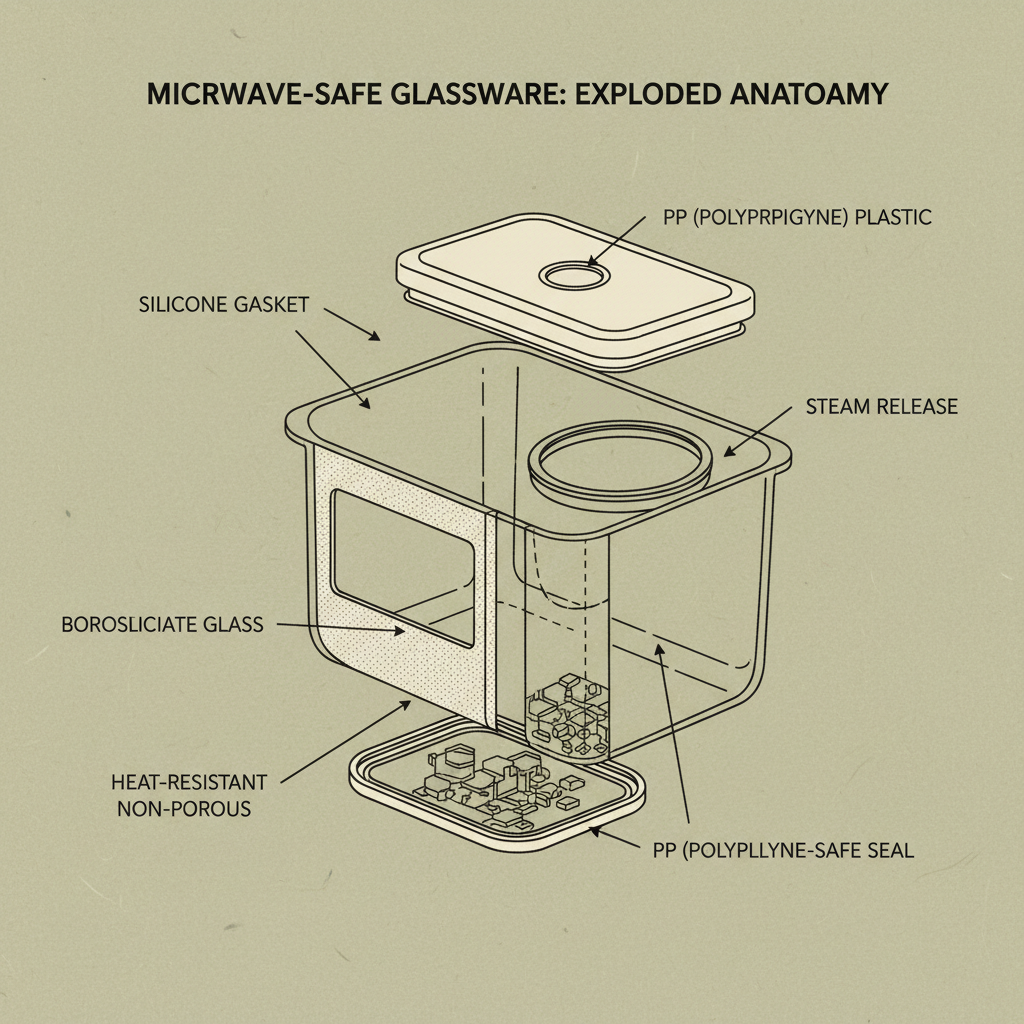
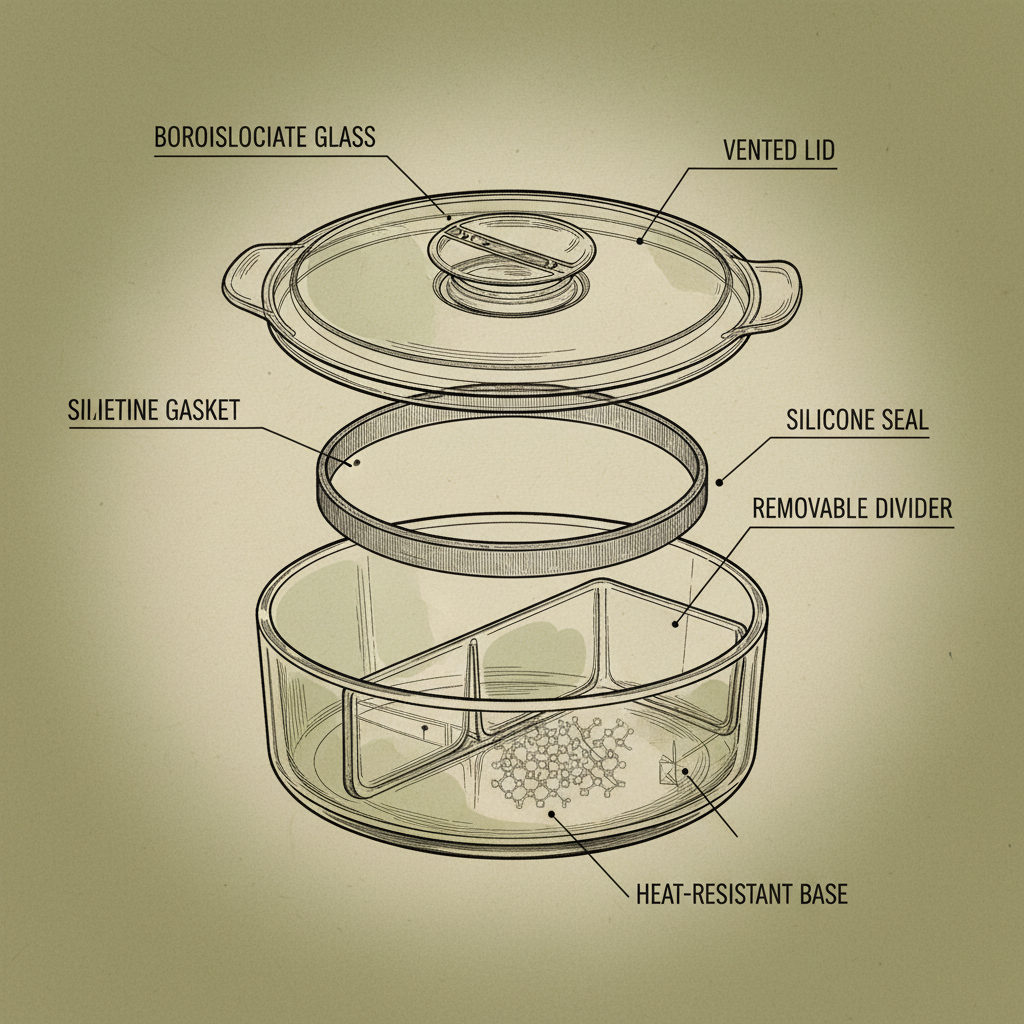
We mostly work with borosilicate glass, you know, the stuff that doesn't shatter when you heat it up. Feels smooth, a bit cold to the touch. Strangely, you can tell a good batch just by the smell – clean, almost metallic. The cheap stuff… well, it smells like chemicals, and tends to have little bubbles in it. And those bubbles are trouble.
Then there's the silica, obviously. Gets everywhere. It's a fine powder, clings to your clothes, gets in your boots… you're finding it for weeks after you've left the plant. But it’s gotta be good silica, though. We had a shipment once that was too coarse, and the glass just didn’t hold up.
Design Pitfalls
Have you noticed how many designs focus on aesthetics over function? It’s infuriating! They’ll make a beautiful glass dish, all curves and angles, but then forget to make it stackable. Or they'll use a thin lip that chips the first time someone actually tries to grab it. It's like they've never actually used a kitchen.
Another big one is thermal shock resistance. Designers think they can just say "microwave safe" and it’s done. No. You need to test it, properly. I've seen dishes crack just from going from the fridge to a warm sink. Not good.
And don’t get me started on lids. Finding a lid that actually fits is like finding a needle in a haystack. They either fall off, are impossible to get off, or just don’t seal properly.
The Testing Tango
Lab tests are fine, I guess, but they don’t tell the whole story. We do a lot of "stress tests" on site, which basically means we try to break it. We drop it (from reasonable heights, usually), we put it through the dishwasher a hundred times, we microwave it with different foods (and different power levels).
We even had a guy try to use it as a hammer once. Didn’t work, obviously, but it told us something about its impact resistance. That's the kind of testing you don't get in a lab.
The real killer is repeated cycling – heating and cooling. That’s where most of the failures happen.
Real-World Usage
You’d think people would use these things for, you know, reheating leftovers. But they don’t! They use them for everything. I’ve seen people using them to cook full meals in the microwave. I've seen them using them as mixing bowls, baking dishes, even as planters. It's…creative.
And they don't read the instructions. Ever. They'll microwave metal, put ice-cold dishes in a hot oven, just… whatever. You gotta design for the idiots, honestly. That's what I tell the engineers.
Microwave Safe Glassware Performance Metrics
Pros & Cons - Let's Be Real
Look, the biggest pro is obviously safety. You don't want chemicals leaching into your food. And good borosilicate glass is tough stuff. It can take a beating. It's also relatively easy to clean, which is a plus.
But it's not perfect. It’s more expensive than regular glass, for one. And it's heavier. It can also be susceptible to scratching if you're not careful. And let’s be honest, it can still break if you’re really rough with it. It's glass, not titanium.
Customization Quirks
People always want something "special." A different color, a custom shape, their logo etched on the side. We did one job for a fancy hotel where they wanted a square dish with rounded corners and a gold rim. It was a nightmare to manufacture. The gold rim kept bubbling in the microwave.
The funny thing is, usually the simpler the customization, the more trouble it causes. Like, someone wanting a slightly different shade of blue...finding a pigment that's both food-safe and microwave-stable? Turns out that's surprisingly difficult.
We can do custom sizing, though. That's usually pretty straightforward.
A Shenzhen Story
Last month, that small boss in Shenzhen who makes smart home devices insisted on changing the interface to for the lid of his microwave safe glassware containers. Said it was "future-proof." Future-proof! On a lid.
We tried to tell him it was overkill, that a simple snap-on lid would work just fine. But he wouldn't listen. Wanted the sleek, modern look of a USB-C port. So we built it. Turns out, the port got clogged with food particles within a week. The whole batch was a write-off.
He called me furious. I just said, “I told you so.” Sometimes, you gotta let the market decide.
Summary of Key Considerations for Microwave Safe Glassware Selection
| Material Composition |
Thermal Stability |
Durability Rating |
Cost Factor |
| Borosilicate Glass |
Excellent (Low Thermal Expansion) |
8/10 |
Medium-High |
| Soda-Lime Glass |
Moderate (Potential for Thermal Shock) |
6/10 |
Low |
| Tempered Glass |
Good (Increased Resistance to Thermal Shock) |
7/10 |
Medium |
| Borosilicate Glass w/ Coating |
Excellent (Enhanced Thermal Stability) |
9/10 |
High |
| Recycled Glass |
Variable (Depends on Composition) |
5/10 - 7/10 |
Low-Medium |
| Plastic Components (Lids) |
Moderate (Must be Microwave Safe) |
4/10 - 8/10 |
Very Low |
FAQS
It means the material won’t melt, leach harmful chemicals, or shatter when exposed to microwave radiation. However, it doesn't guarantee even heating or prevent superheating, which can cause sudden boiling. Always follow the manufacturer's instructions, and use caution when removing the dish from the microwave.
Absolutely not! Metal containers will cause sparks and can damage your microwave. Some plastics are also not microwave safe and can melt or leach chemicals into your food. Always check for a "microwave safe" symbol on the container before using it. Seriously, it's not worth the risk.
Look for cracks, chips, or scratches. Even small damage can weaken the container and cause it to shatter during use. If you see any damage, throw it away. Don’t try to fix it with glue or tape. It’s just not worth the danger.
No, nothing is completely shatterproof. Borosilicate glass is more resistant to thermal shock than regular glass, but it can still break if dropped or exposed to extreme temperature changes. It’s durable, but it's not invincible. Treat it with respect!
Generally, no. Microwave safe glass is designed for microwave use and may not withstand the high, dry heat of a conventional oven. Some borosilicate glass can be oven-safe, but only if it’s specifically labeled as such. Don't assume!
Most microwave safe glassware is dishwasher safe, but hand washing with warm, soapy water is gentler and can help prevent scratches. Avoid abrasive cleaners and scouring pads. A soft sponge or cloth is best.
Conclusion
Ultimately, microwave safe glassware is all about finding the balance between functionality, durability, and safety. It’s not about fancy features or complex designs. It’s about making something that people can rely on day in and day out, without worrying about it breaking or leaching chemicals into their food.
We’ve seen a lot of trends come and go, but the demand for reliable, safe materials will always be there. And, like I always say, the worker will know the moment he tightens the screw whether this thing works or not. That's the real test.
 TEL: +86 18903393212
 Email: tina@yintoglassware.com