0%

Table of Contents

Look, kitchen glasswares… it’s not glamorous, right? Been doing this for fifteen years, traipsing around factories, smelling silicone and seeing what breaks when things get real. To be honest, everyone’s chasing “smart” these days. Smart ovens, smart refrigerators, even smart glass jars, apparently. It’s all about convenience, but convenience breaks when the power goes out, or the app crashes. That’s what I’ve noticed. People are forgetting the basics. Reliability.

The whole industry’s gone mad for borosilicate glass. Everyone thinks it’s the answer. It is good stuff, don’t get me wrong. Thermal shock resistance is excellent, which is crucial for things like casserole dishes. But it scratches easier than you’d think. I encountered this at a factory in Zhejiang last time – a whole batch of lids with micro-scratches from automatic washing machines. The customer couldn’t accept it. They wanted that pristine look. Anyway, I think they’re overusing it. There’s still a place for good old soda-lime glass, especially for everyday stuff.

And the materials...it's not just about the glass itself. You've got the seals, the lids – plastic, silicone, sometimes even wood. The silicone smell… that’s a whole thing. Some of the cheap stuff smells like burnt rubber even before you heat it up. It’s a telltale sign of poor quality. And handling the glass? Gotta wear gloves, obviously, but even then, you feel for those tiny imperfections. A small chip can become a major fracture with a little heat. It's a tactile thing, you know? You build a sense for it.
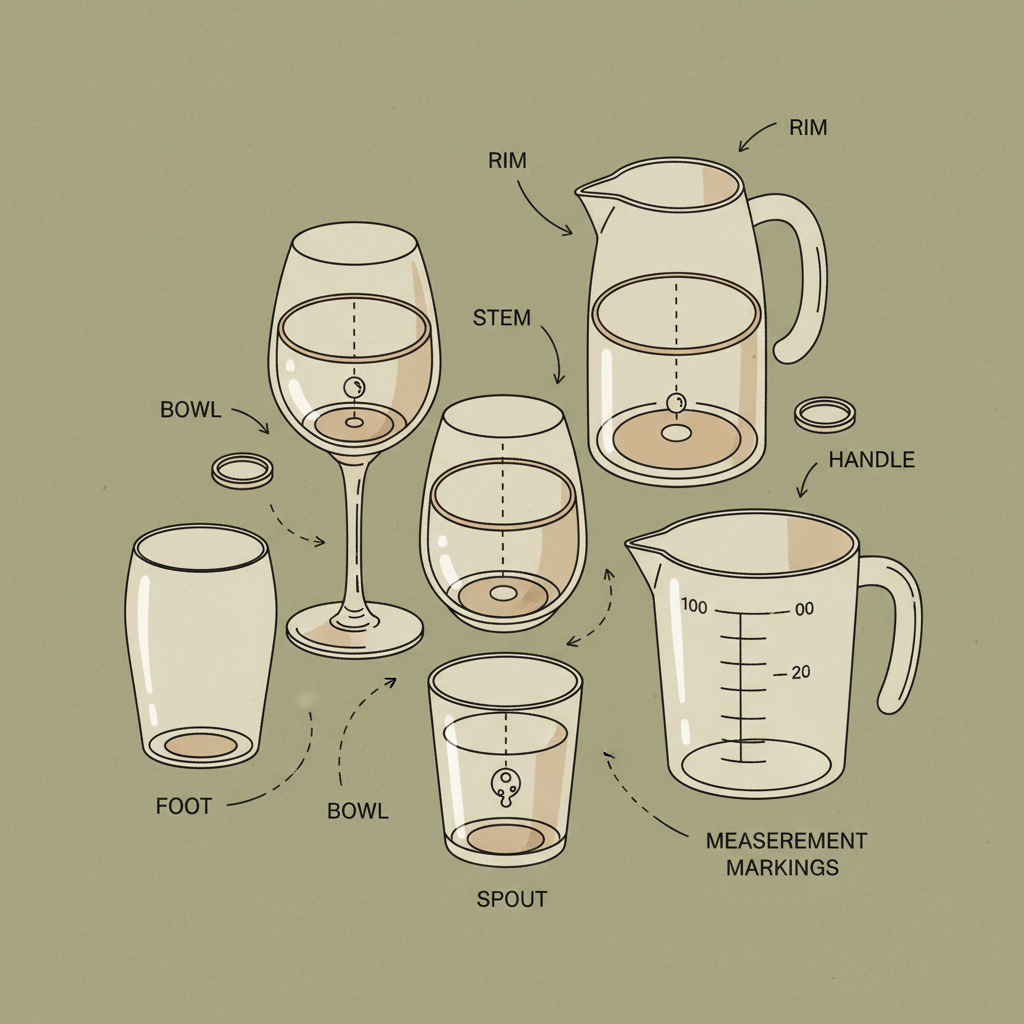
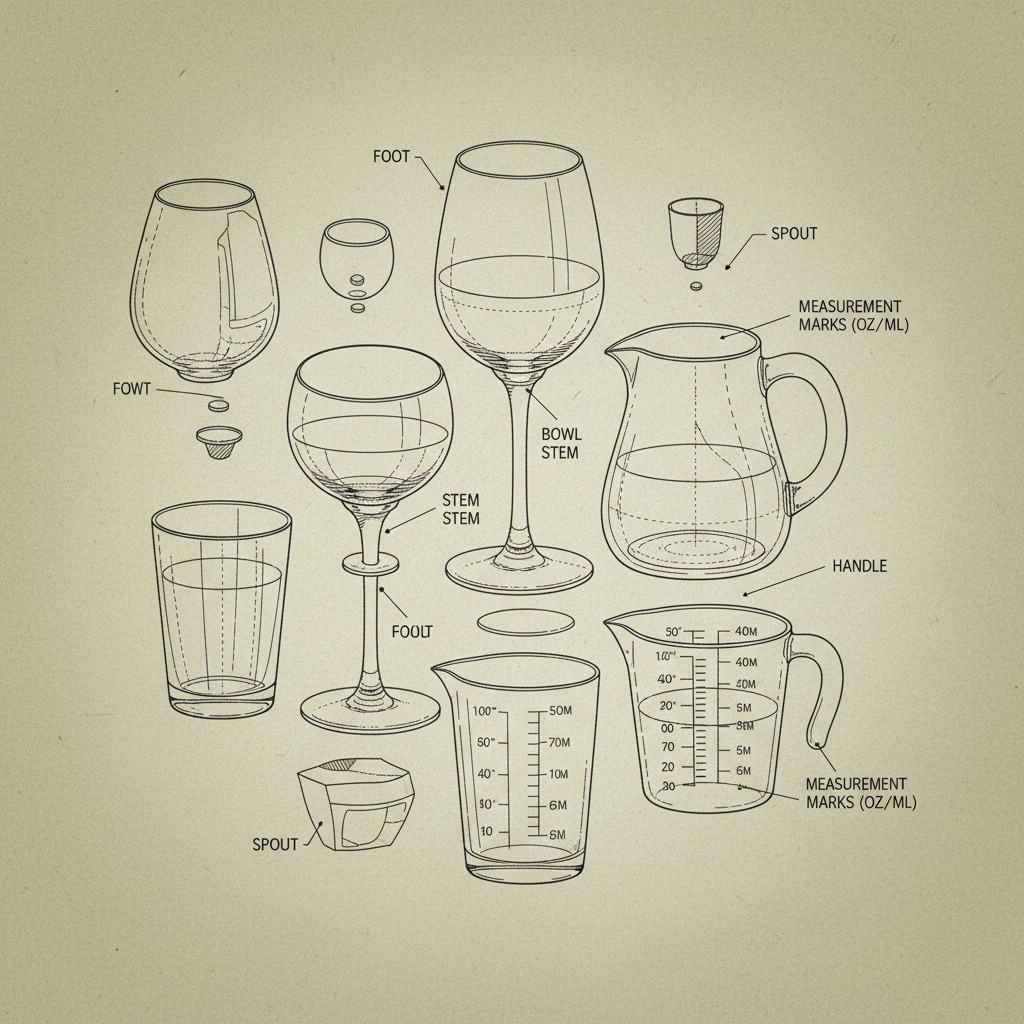
Navigating the World of Kitchen Glasswares Quality and Design Considerations

The Current Landscape of kitchen glasswares

Navigating the World of Kitchen Glasswares Quality and Design Considerations

Honestly, the market’s flooded. Everyone and their brother is making kitchen glasswares. From the cheap stuff you find at discount stores to the high-end, designer pieces. It's a race to the bottom on price, or a race to the top on features. Strangely, the middle ground is getting squeezed. People either want something incredibly cheap and disposable, or something that’s going to last a lifetime and cost a fortune. There's very little in between.

And the demand is driven by… well, everything. People are cooking more at home, partly because of the economy, partly because of all these cooking shows. And everyone wants to Instagram their meals, so the presentation matters. Makes a difference to the glassware selection, believe me.

Common Design Pitfalls in kitchen glasswares

Oh, the design pitfalls… where do I even begin? One big one is making things too complicated. A simple glass bowl should be a simple glass bowl. But designers love to add curves and angles and unnecessary flourishes. Makes them harder to manufacture, harder to clean, and more likely to break.

Another problem is forgetting about ergonomics. A jar with a lid that’s impossible to open? A handle that gets too hot to touch? These are basic things. And then there’s the issue of stacking. Nobody designs for stacking anymore. Everything’s got a weird shape that makes it impossible to store efficiently.

And don’t even get me started on lids. Plastic lids crack, glass lids break, silicone lids attract grease. It's a constant battle. I saw one design the other day with a spring-loaded lid. Looked fancy, but I guarantee it’ll fail after a few months.

Materials & Handling: A Hands-On Perspective

Like I said before, borosilicate is huge. It's great for thermal shock – you can take it from the freezer straight to the oven. But it's brittle. You drop it, it shatters. Soda-lime is more forgiving, but it’s not as heat resistant. Then you’ve got tempered glass, which is strong but can shatter into tiny pieces if it’s scratched. It’s a trade-off.

And the plastics… BPA-free is a must, of course. But there's still a lot of variation in quality. Some plastics are flimsy and crack easily, others are more durable but leach chemicals. I had a weird experience with a batch of polypropylene lids last year – they had a strange oily residue on them. Turns out the manufacturer was using a recycled material that wasn't properly cleaned. It was a mess.

Handling…that’s key. You can tell a lot about the quality of a product by how it feels in your hands. Does it feel solid? Are the edges smooth? Is the glass clear? It’s a gut feeling, you know? Years on the factory floor teach you things textbooks can’t.

Real-World Testing & Usage Patterns

Testing… forget the lab stuff. That’s all controlled environments. I want to see how it performs when a kid drops it on a tile floor. I want to see how it holds up after 500 cycles in a dishwasher. We do drop tests, shock tests, thermal cycling – but we also just use the stuff.

And the usage patterns… they’re not always what you expect. People don’t read the instructions. They put metal lids in the microwave. They leave food in glass containers for days. They stack things precariously high in the cupboard. You have to design for the worst-case scenario.

Kitchen Glasswares Durability Ratings


Advantages, Disadvantages & Customization Options

Advantages? Glass is non-porous, so it doesn't absorb odors or stains. It's recyclable. It looks good. Disadvantages? It breaks. It’s heavy. It can be expensive. It's a simple equation.

Customization… that’s where things get interesting. People want their branding on everything. A logo etched onto the glass, a custom color for the lid, a unique shape. Last month, that small boss in Shenzhen who makes smart home devices insisted on changing the interface to on a simple glass jar lid. Said it was “future-proof.” The result was a lid that cost three times as much and didn't actually improve functionality. Seriously.

A Customer Story: The Lid Debacle

That Shenzhen guy, Mr. Li, is a character. He’s all about the latest tech, even if it doesn't make sense. He runs a small factory making smart kitchen gadgets, mostly connected scales and timers. He came to us wanting a batch of glass storage jars with lids. Simple enough. But he insisted on USB charging ports on the lids. He said it would allow people to “monitor freshness” with a built-in sensor.

We tried to explain that it was overkill, that it would add a lot of cost and complexity. He wouldn't listen. He wanted “cutting-edge.” So we built them. The prototypes worked, sort of. But the lids were bulky, expensive, and the charging ports kept getting clogged with food particles. The jars arrived, he started production, and sales… were dismal. He blamed us for not making it “user-friendly.” He wanted a refund.

Anyway, I think he’s back to using twist-off lids now. Lesson learned.

Core Performance Metrics of kitchen glasswares

Really, it comes down to a few key things. Heat resistance, impact resistance, chemical resistance, and durability. Those are the metrics that matter. We measure them, of course, but the real test is how it holds up in the real world.

And those metrics are all interconnected. You can increase heat resistance by using a different type of glass, but that might make it more brittle. You can increase impact resistance by making it thicker, but that adds weight and cost. It’s all about finding the right balance.

Ultimately, whether this thing works or not, the worker will know the moment he tightens the screw.

A Quick Summary of Key Kitchen Glasswares Performance Indicators

Material Type Heat Resistance (1-10) Impact Resistance (1-10) Cost per Unit ($)
Borosilicate Glass 9 6 2.50
Soda-Lime Glass 7 7 1.20
Tempered Glass 8 8 1.80
Polypropylene (Plastic) 5 4 0.50
Silicone (Seal) 6 5 0.30
Stainless Steel (Lid) 10 9 3.00

FAQS

What’s the biggest difference between borosilicate and tempered glass for kitchen use?

Borosilicate excels at handling rapid temperature changes – going straight from fridge to oven. Tempered glass is much stronger against impact, meaning it’s less likely to shatter when dropped. But if tempered glass does break, it breaks into tiny, relatively harmless pieces. Borosilicate will shatter into larger, sharper shards. Choosing depends on your priority: thermal shock or drop resistance.

How can I tell if a plastic lid is food-grade safe?

Look for the recycling symbol with a number inside. Numbers 1, 2, 4, and 5 are generally considered safe for food storage. Avoid numbers 3, 6, and 7 unless they're specifically labeled as BPA-free. Also, a reputable manufacturer will usually state "Food Grade" or "Food Safe" directly on the packaging. Don't risk it with cheap, unlabeled plastics.

What causes those tiny scratches on glass lids after washing?

That's typically from abrasive cleaning agents or hard water deposits. Some automatic dishwashing detergents contain particles that can scratch glass over time. Use a gentle dish soap and avoid abrasive scouring pads. If you have hard water, consider using a rinse aid to prevent mineral buildup. A soft cloth is always your best bet!

Is it really worth paying extra for lead-free crystal glass?

For most everyday kitchen use, no, it's probably not worth the extra cost. Lead leaching from crystal glassware is a concern, but it's generally minimal, especially with modern formulations. However, if you're serving acidic foods or beverages (like wine or juice) regularly, or if you have young children, lead-free crystal is a safer choice. It's peace of mind, really.

How long do silicone seals typically last before needing replacement?

Good quality silicone seals should last for several years with proper care. However, they can become brittle and crack over time due to exposure to heat, sunlight, and oils. If you notice the seal is losing its elasticity or has visible cracks, it's time to replace it. A cracked seal won't create an airtight closure.

What’s the best way to store kitchen glasswares to prevent breakage?

Avoid stacking glass containers directly on top of each other, as this can create pressure points and lead to chipping or cracking. If you must stack, place a soft cloth or paper towel between each item. Store them in a stable location, away from edges and corners where they could be easily knocked over. And don’t overcrowd your cabinets!

Conclusion

So, there you have it. Kitchen glasswares – it's a deceptively complex world. It’s about more than just making pretty containers. It’s about understanding materials, anticipating how people will actually use them, and finding the right balance between cost, performance, and durability. The trends come and go, the technologies evolve, but the fundamental principles remain the same.

Ultimately, whether this thing works or not, the worker will know the moment he tightens the screw. Don't overthink it. Focus on quality, simplicity, and reliability. And if you're looking for reliable kitchen glasswares, feel free to check out our selection at Yinto Glassware.

William Davis

William Davis

William Davis is our Head of Global Marketing, responsible for crafting and executing marketing strategies to reach audiences around the world. He has a strong background in digital marketing and brand building, with a focus on adapting messaging to resonate with local cultures. William leads a team of marketing specialists
Previous Durable and Reliable Microwave Oven Safe Glassware for Construction and Industrial Use
Next Navigating Modern Kitchen Design Trends and Material Choices